
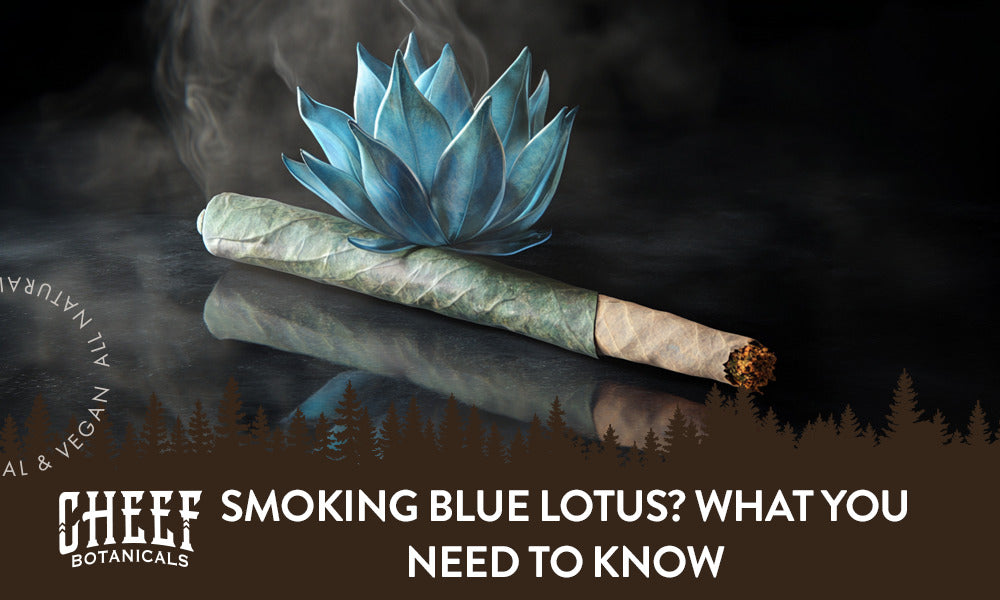
The blue lotus flower has a way of sparking curiosity. With deep roots in ancient Egyptian culture, this striking plant has been linked to relaxation, rituals, and altered states for thousands of years. Today, that fascination continues, especially as more people explore smoking blue lotus instead of brewing it as tea.
So what makes blue lotus so special, and why do some prefer inhaling it? Known for its calming and mood-lifting reputation, blue lotus is often associated with relaxation, sleep support, and subtle psychoactive effects.
In this guide, you will learn what smoking blue lotus is like, why people choose it, and what to know about safety and legality. This breakdown will help you decide if this ancient flower fits into your wellness routine.
Blue Lotus Overview
The blue lotus flower, also known as Nymphaea caerulea, is more than a striking water lily. Often called the blue Egyptian lotus or sacred blue water lily, this plant held strong cultural meaning in ancient Egyptian culture. It frequently appeared in art and symbols tied to life, rebirth, and the afterlife.
Blue Egyptian lotus has been used for centuries for its calming and mood-lifting reputation. Ancient Egyptians consumed the flower during ceremonies and celebrations, believing it supported relaxation and intimacy.
Its effects are linked to two key compounds. Apomorphine is associated with uplifting sensations, while nuciferine is known for its calming influence. Some people describe blue lotus as gently blissful, though experiences can vary.
When exploring this ancient plant, understanding its effects and cultural roots can help guide informed choices.
Living Egyptian Blue Lotus in Ancient Use
In ancient Egyptian culture, the idea of a living Egyptian blue lotus came from how often the flower appeared in daily life and ritual. Historical records show Egyptian blue lotus turns from a simple water lily into a meaningful symbol when used in ceremonies. Its imagery is known to adorn ancient papyri scrolls, connecting the plant to relaxation, reflection, and spiritual belief. These early uses help explain why blue lotus still draws interest today.
The Vaunted Egyptian Blue Lotus and Its Ongoing Influence
The vaunted Egyptian blue lotus gained its reputation through repeated ceremonial use and strong cultural meaning. Ancient writings suggest beliefs around the flower were shaped by how ancient magic was understood at the time. That history continues to influence how people view blue lotus now, especially when exploring it for calming effects or modern wellness routines.
Why Do People Consume Blue Lotus?
People have used blue lotus for centuries, drawn to its history and natural appeal. This sacred blue lily continues to bridge ancient traditions and modern wellness routines.
Common reasons people consume blue lotus include:
- Enhanced Well-being. Blue lotus is often associated with calming and euphoric effects that may support relaxation. Compounds like apomorphine are commonly linked to mood support and mental ease.
- Libido Support. Ancient Egyptians and Mayans viewed blue lotus as an aphrodisiac. Nuciferine is frequently mentioned in discussions around relaxation and physical response.
- Lucid Dreaming. Egyptian blue lotus is sometimes connected to vivid dreams and altered dream states. Ancient cultures believed it helped explore deeper awareness during rituals.
How Is It Commonly Consumed?
Blue lotus can be enjoyed in several simple forms, making it easy to fit into different routines.
- Tea. One of the most traditional methods is brewing dried blue lotus flowers into tea. This option offers a mild, calming experience with a slower onset.
- Edibles. Blue lotus is also infused into gummies and other edibles. This method allows for controlled intake and longer-lasting effects once they begin.
- Tinctures. Tinctures are concentrated liquid extracts made by soaking blue lotus flowers in alcohol or glycerin. They offer a faster onset without inhalation and are easy to dose under the tongue or in a drink.
These methods show how blue lotus can be enjoyed in ways that match different preferences and lifestyles.
Can You Smoke Blue Lotus Flower?

Yes, it is possible to smoke blue lotus flower, and this method is often discussed when exploring blue lotus as a faster way to experience its effects. The blue lotus, scientifically known as Nymphaea caerulea, is an aquatic plant and water lily that held strong cultural significance in ancient Egypt. Ancient Egyptians consumed Egyptian blue lotus during ancient rituals tied to relaxation and altered awareness.
Smoking the blue lotus allows the psychoactive blue lotus compounds to enter the body more quickly compared to edibles. While edibles last longer, smoking produces faster psychoactive effects that some people prefer.
Is It Common to Smoke the Blue Lotus Flower?
Smoking the blue lotus is fairly common among people researching psychedelic blue lotus and its historical uses. Egyptian blue lotus appears in ancient artifacts, ancient hieroglyphs, and ancient papyri scrolls, highlighting Egyptian blue lotus's prominence in ancient Egyptian culture and mythology.
Today, smoking dried blue lotus flower is chosen for its quick onset and calming effects. While the experience fades faster than tea or edibles, many still prefer this method for short-term relaxation.
Is It Mixed With Other Herbs or Smoked Straight?
Blue lotus flower can be smoked on its own or blended with other herbs. Some prefer smoking the blue lotus to experience the authentic Egyptian blue lotus without alteration. Others mix it with calming herbs to adjust flavor and intensity.
Mixing herbs may influence the strength of the psychoactive effects and overall experience. Whether blended or consumed alone, smoking dried blue lotus remains a flexible option for those exploring different consumption methods.
Concerns of Smoking and Inhaling Blue Lotus
Smoking the blue lotus involves inhaling plant material, which may affect lung health. Blue lotus smoking can irritate the throat or lungs, especially when used frequently or in large amounts. This is an important consideration when comparing smoking the blue lotus to other methods.
Because responses vary, it is recommended to start with small amounts. Blue lotus is not classified as a controlled substance in most regions, but legality can vary by location. Always review local regulations and complete a personal safety assessment before use. Learn if blue lotus affects drug tests here.
Is It Safer to Smoke or Eat Blue Lotus?
Smoking it delivers faster psychoactive effects but carries inhalation risks. Eating blue lotus through tea, tinctures, or edibles provides a slower, more controlled experience without smoke exposure.
For those prioritizing lung health, consuming blue lotus in non-smoking forms may be the safer option. Both methods allow people to explore the calming effects of blue lotus, depending on comfort level and personal preference.
How to Smoke the Blue Lotus

Smoking the blue lotus is a popular option for those looking to experience its calming effects more quickly. This method appeals to people who prefer a short, ritual-style experience rather than waiting for edibles or tea to take effect.
- Prepare the Blue Lotus. Start with dried blue lotus flower or dried petals sourced from reputable sellers. Many people seek authentic Egyptian blue lotus or verified Egyptian blue lotus to avoid questionable lotus laced supplements. Fully dried material helps produce a smoother smoke.
- Roll It Up. Dried blue lotus can be rolled using rolling paper, similar to other herbal blends. Some choose smoking on its own, while others mix it with complementary herbs for flavor and balance.
- Use a Pipe or Bong. A pipe or bong offers a straightforward way to smoke blue lotus. This method provides more control over intake and avoids the need for rolling papers.
- Light and Inhale. Take slow, gentle inhales and start with a small amount. Smoking the blue lotus may affect lung health if overused, so moderation is important. The calming effects tend to appear quickly and fade sooner than edible methods.
How to Vape Blue Lotus
Vaping blue lotus is a smoke-free alternative that appeals to people focused on lung health. Instead of combustion, vaping gently heats the plant material to release psychoactive effects.
- Choose the Right Equipment. A vape pen or electronic cigarette designed for herbs or refill liquids works best. Some experienced users prefer advanced setups like a re buildable dripping atomizer for temperature control.
- Prepare the Material. Dried petals or blue lotus extract can be used. Finely grinding the material allows for even heating. Some electronic cigarette refill liquids already contain blue lotus products for convenience.
- Load and Set Temperature. Place the material into the vape chamber and select a low to medium temperature. This helps preserve calming effects without overheating the plant.
- Inhale Slowly. Vapor delivers psychoactive effects without smoke irritation, making this method appealing to those sensitive to inhalation.
Can Inhaling Blue Lotus Replace Smoking Cigarettes?
Inhaling blue lotus is not a replacement for cigarettes. While smoking or vaping may feel soothing, blue lotus is not a controlled substance and does not contain nicotine or addictive chemicals found in tobacco.
Some people use blue lotus as a ritual alternative when reducing cigarette use. It may help with stress-related habits, but it serves a different purpose than nicotine-based products.
Cheef Botanical's Lotus Options
At Cheef Botanicals, we offer blue lotus products designed to fit into daily routines. Each option is made with quality in mind, using blue lotus flower extracts tied to ancient Egyptian culture. Our focus is consistency, purity, and delivering the calming effects people look for in this soothing flower. Whether you prefer an edible or a liquid format, our blue lotus products offer simple ways to experience this sacred blue lily without smoking the blue lotus.
Blue Lotus Gummies (Edible Option)
Blue Lotus Gummies provide an easy and flavorful way to enjoy blue lotus. Each gummy contains 300 mg of blue lotus extract blended with Delta 9 THC, Cannabinol, and Cannabigerol. This combination supports calming effects and relaxation while offering a smoke free alternative to smoking. The gummies are vegan friendly and made with pectin, making them suitable for a wide range of preferences.
Blue Lotus Tincture
The Blue Lotus Tincture offers a flexible option for those who prefer liquids. It delivers concentrated blue lotus extract that can be taken under the tongue or added to drinks. This format allows for easier control compared to edibles and avoids inhalation. The tincture fits well into modern routines while staying connected to the cultural significance of Egyptian lotus traditions.
Other Consumption Methods
While smoking or vaping is popular, there are other ways to enjoy this versatile plant without inhalation. These options appeal to people focused on lung health or looking for slower, more ritual-based experiences.
- Alcohol Infusions. Alcohol infusions are made by soaking dried petals from the blue lotus flower in wine or spirits. This method allows the chemical composition of the plant to blend with the liquid, creating a calming drink often linked to ancient rituals. Lily steeped wine is frequently referenced in discussions of how ancient Egyptians consumed blue lotus in social and ceremonial settings.
- Massage and Essential Oils. Blue lotus essential oil is used in massage and aromatherapy for its soothing flower qualities. When applied topically or diffused, it supports calming effects and relaxation. This method reflects the cultural significance of the sacred blue lily beyond smoking the blue lotus.
When to Smoke or Consume Blue Lotus
Timing can influence how blue lotus feels. Many people choose evening use to unwind, especially when seeking calming effects before sleep. Others prefer blue lotus during meditation, yoga, or quiet social settings to support focus and relaxation. Whether smoking or choosing another method, personal comfort and setting play an important role in the experience.
Final Thoughts on Inhaling Blue Lotus
Inhaling blue lotus can feel calming when used responsibly, but awareness matters. Blue lotus is not considered a controlled substance in most areas, though regulations vary by location. While the blue lotus flower is legal to grow and sell in most states, it is not approved for human consumption in the United States, with Louisiana listing it as restricted.
Blue lotus has long appeared in ancient Egyptian culture, ancient artifacts, and ancient scrolls tied to relaxation and ritual use. Modern interest continues through smoking, vaping, and alternative methods. Cheef Botanicals offers blue lotus products that allow people to explore these traditions in ways that fit modern routines.

Author Bio
Top-Rated Products Featuring Blue Lotus
 Blue Lotus Gummies For Sleep - Top Seller
 Blue Lotus Tincture - Excellent Choice
 Bundle & Save: Ultimate Festival Bundle - Highly Rated


Leave a comment
This site is protected by hCaptcha and the hCaptcha Privacy Policy and Terms of Service apply.