
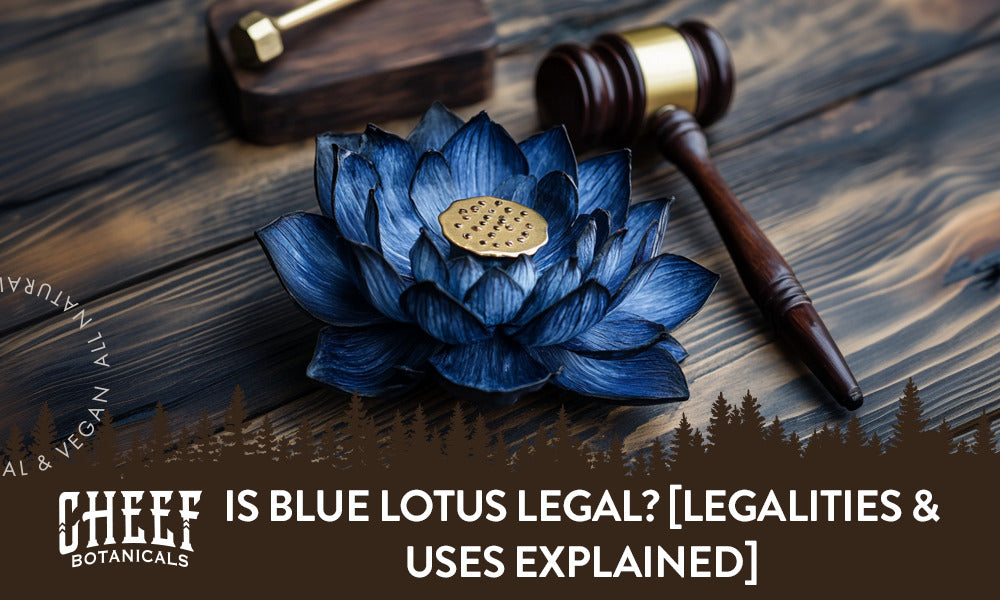
Blue Lotus has gained serious attention among folks curious about natural remedies. With its long history, striking appearance, and unique effects, this ancient flower keeps popping up in modern wellness conversations. That curiosity often leads to one important question: Is Blue Lotus legal?
Its cultural background and mild psychoactive effects make it especially intriguing. But the legal status is not always straightforward. This leaves many unsure about whether buying or consuming Blue Lotus flower is actually allowed.
This guide has everything you need to know. You’ll learn where Blue Lotus stands legally, how people have used it throughout history, and the ways it shows up today.

What Is Blue Lotus?
Blue Lotus, also called sacred blue lily and scientifically named Nymphaea caerulea, is a water lily that grows naturally in Egypt and parts of Asia. People have admired this flower for centuries, not just for its beauty, but for its potential benefits. It contains two key compounds, apomorphine and nuciferine, which give Blue Lotus its calming and lightly uplifting effects.
In ancient Egypt, people commonly consumed Blue Lotus as traditional medicine during rituals and moments of relaxation. It symbolized renewal, calm, and spiritual connection.
Today, interest in Blue Lotus is rising again. Many people turn to it as a natural way to unwind and explore plant-based options with deep historical significance.
History and Traditional Uses
Blue Lotus has a long and fascinating past, especially in ancient Egyptian culture. Artists carved it into temple walls, painted it in tombs, and included it in important ceremonies. People believed the flower helped them relax, feel uplifted, and connect more deeply with their gods. To them, Blue Lotus symbolized rebirth, pleasure, and spiritual awareness.
Its influence did not stop in Egypt, though. In Hinduism and Buddhism, the blue water lily represents purity, wisdom, and spiritual growth. You can find it in religious art and sacred texts, often linked to gods like Vishnu and Lakshmi.
Across cultures, the Blue Egyptian Lotus was never just a decoration. People viewed it as a meaningful plant that supported emotional balance, reflection, and spiritual connection.
Active Compounds Found in Blue Lotus
Blue Lotus gets its effects from two main natural compounds found in the flower. These compounds explain why people often describe the experience as calming, uplifting, and mentally soothing.
- Apomorphine. This psychoactive compound interacts with dopamine receptors in the brain, which can create mild euphoria and a gentle emotional lift. Historically, researchers have studied apomorphine for its influence on movement and muscle control. But in Blue Lotus, it mainly contributes to the flower’s mood-boosting reputation.
- Nuciferine. Nuciferine plays a big role in the relaxing side of Blue Lotus. It supports a calm mental state and helps quiet racing thoughts. Some research also points to its potential to promote mental clarity and emotional balance.
Is Blue Lotus Legal?
In reality, the answer depends on where you live. The legal status of Blue Lotus often causes confusion. Many people hear that it has mild psychoactive effects and immediately wonder if that means it’s restricted or illegal.
Blue Lotus is not classified as a controlled substance in many regions. This allows the sale and use of it in most places. That said, laws can change at the state or country level.
Before buying or consuming Blue Lotus, it’s smart to check local laws. A quick look at state or country laws can help you avoid surprises and enjoy the flower with confidence.
Legal Status in the United States
In the United States, Blue Lotus does not appear on the Drug Enforcement Agency's (DEA) list of controlled substances. The DEA does not classify it as illegal at the federal level, which means people can legally buy and own Blue Lotus in most states.
That said, the Food and Drug Administration (FDA) has not approved Blue Lotus for human consumption. Because of that, many sellers label it for aromatherapy, decorative use, or botanical research. A few states, including Louisiana, place restrictions on its sale or use, so state laws matter here.
Before purchasing, take a moment to check your local regulations and read product labels closely. Doing so helps you stay informed and avoid issues down the road.
International Laws and Restrictions
Outside the United States, Blue Lotus laws look very different depending on the country. In most countries, it remains legal to purchase Blue Lotus, especially when it's sold as a botanical or decorative product. Still, not every country treats it the same way.
Poland and Russia, for example, classify the flower and other Blue Lotus products as controlled or restricted substances. In those regions, selling or possessing it can cause legal problems. Local authorities base their rules on how sellers label the product and how they categorize it as a psychoactive plant.
Because international rules vary so widely, checking local laws matters even more when shopping or traveling. A quick review of country-specific regulations can help you stay on the right side of the law.
Common Uses for Blue Lotus
People have enjoyed Blue Lotus in a variety of ways for centuries. Today, modern users continue to find new ways to use it. Its flexibility and potential health benefits make it appealing to anyone curious about plant-based support. Here are some of the most common ways to enjoy Blue Lotus:
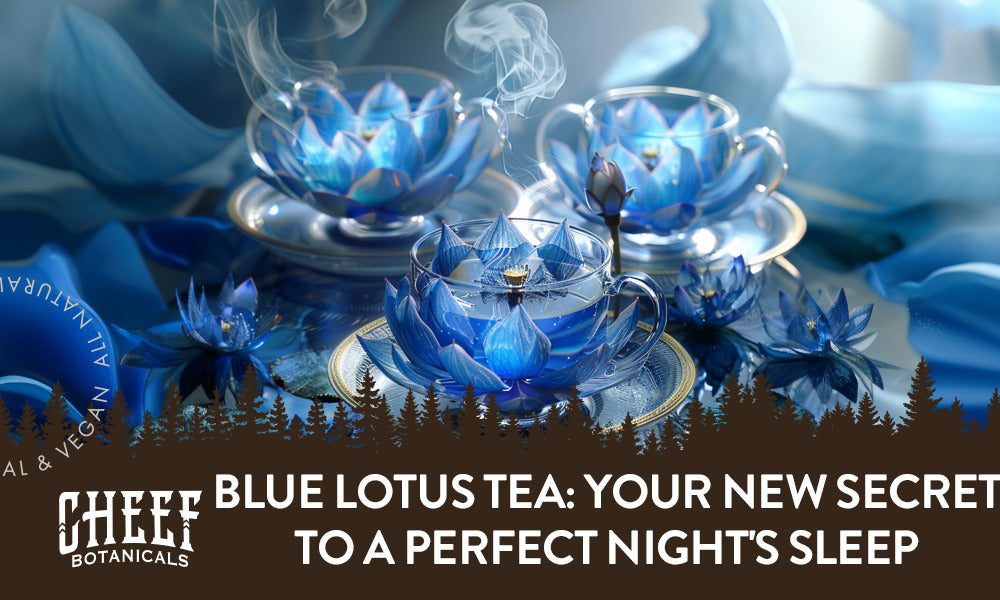
- Tea. Many people brew Blue Lotus tea by steeping dried flowers in hot water for about 5–10 minutes. This method creates gentle, calming effects that feel smooth and easygoing.
- Smoking or Vaping. Some users smoke dried Blue Lotus flower or use it in a vaporizer. This approach delivers faster effects and offers a lighter, more immediate sense of relaxation.
- Edibles. Gummies and other edible options provide a convenient and flavorful way to enjoy Blue Lotus. These products often feel stronger and last longer than tea or smoking.
- Essential Oils and Massage Oils. Others use Blue Lotus in aromatherapy or massage oils. The sweet floral scent helps set a calm mood and supports relaxation.
No matter the method, use Blue Lotus thoughtfully. Avoid driving or handling heavy machinery after intake, since it can make you feel relaxed or drowsy.
Relaxation and Stress Support
Blue Lotus helps many people slow down and relax after a long day. Its natural compounds create a calming, soothing feeling that often lifts the mood without feeling overwhelming. People often describe the experience as peaceful, light, and mentally comforting.
Nuciferine plays a big role in this effect. It helps quiet racing thoughts and supports a more balanced state of mind. Whether you drink it as a tea or use it in another form, Blue Lotus offers a gentle way to unwind and reset when life feels busy or stressful.
Traditional Ceremonial and Medicinal Applications
Ancient cultures treated Blue Lotus as far more than a decorative flower. In Egypt, people used it during ceremonies to relax the body, open the mind, and deepen spiritual connection. Many believed the flower helped them feel closer to their gods while creating a calm, blissful state.
Other cultures shared similar views. Hindu and Buddhist traditions linked the blue water lily to purity, wisdom, and spiritual growth. Artists and religious texts often featured it alongside important deities and teachings. These traditions valued Blue Lotus for its cultural significance, blending emotional balance, reflection, and spiritual meaning into a single plant.
Cheef Botanicals Blue Lotus Options
Cheef Botanicals makes it easy to explore Blue Lotus in ways that fit real life. Each product we offer focuses on quality and consistency, whether you want to wind down at night or stay centered during the day. Visit our web shop and try Blue Lotus today!
Blue Lotus Tincture – Sleep Elixir
This tincture uses Blue Lotus petals to create a calm, balanced experience. Many people use it during meditation or before bed as a sleep aid. The liquid format allows easy dosing and fits well into a nightly routine without feeling heavy or overwhelming.
Blue Lotus Gummies For Sleep
These gummies blend Blue Lotus with D9, CBN, and CBG to create a deeply relaxing option designed for sleep enhancement. People enjoy them for their smooth effects and easy, great-tasting format. The gummies make it simple to settle in without extra effort.

Why Choose Cheef for Blue Lotus?
At Cheef Botanicals, we put quality first in every Blue Lotus product. Our brand focuses on clean ingredients, careful formulation, and transparency, so our customers know exactly what they’re getting each time they order.
- Commitment to High-Quality, Natural Ingredients. We use natural, plant-based ingredients in all our Blue Lotus products. Each formula highlights the natural qualities of this flower without unnecessary fillers or additives.
- Third-Party Lab-Tested for Purity, Safety, and Compliance. Independent labs test every product to confirm quality and consistency. We make Certificates of Analysis (COAs) easy to access, so customers can review results with confidence.
- Positive Customer Reviews and Feedback. Many customers share how our Blue Lotus products help them relax, sleep better, and feel more balanced. That consistent feedback reflects why so many people trust us.
Frequently Asked Questions About Blue Lotus
Are there age restrictions to buy, possess, or use it?
Most places do not classify Blue Lotus as a controlled substance, so people can legally buy and use it in many regions. Some states or countries may still set age limits. Local laws decide those details, so checking them always helps.
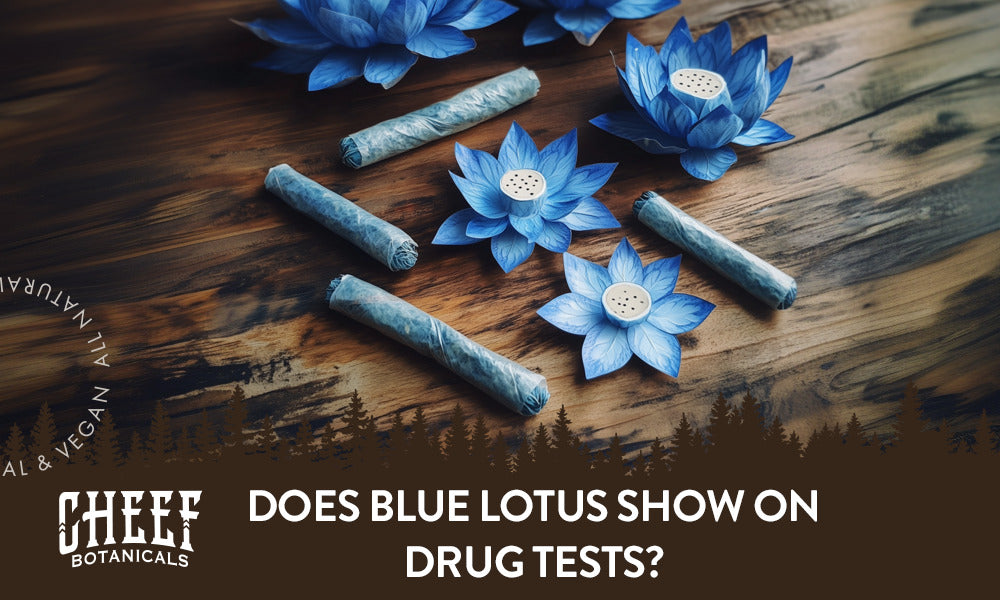
Blue Lotus also does not usually trigger standard drug tests, which eases concerns for many users. Even so, responsible use matters.
Are there potential side effects to using it?
Most people tolerate Blue Lotus well when they use it in moderate amounts. Taking too much, however, can cause unwanted effects like dizziness, a fast heartbeat, or slurred speech. These effects usually feel mild, but they can catch you off guard if you overdo it.
Because Blue Lotus can make you feel relaxed or sleepy, avoid driving or using heavy machinery after taking it. If you take medications or have health concerns, talk with a healthcare professional first.
Final Thoughts - Blue Lotus Legality
Blue Lotus continues to spark curiosity because it blends ancient tradition with modern wellness interest. Understanding where Blue Lotus stands legally helps you explore it with confidence, not confusion.
If you want a trusted place to start, Cheef Botanicals offers carefully crafted Blue Lotus products made with clean ingredients and full transparency. From tinctures to gummies, each option reflects quality and care. When you choose Blue Lotus, choose knowledge, intention, and a brand that respects the plant’s history.

Author Bio
Top-Rated Products Featuring Blue Lotus
 Blue Lotus Gummies For Sleep - Top Seller
 Blue Lotus Tincture - Excellent Choice
 Bundle & Save: Ultimate Festival Bundle - Highly Rated


Leave a comment
This site is protected by hCaptcha and the hCaptcha Privacy Policy and Terms of Service apply.