
Filters
40 products


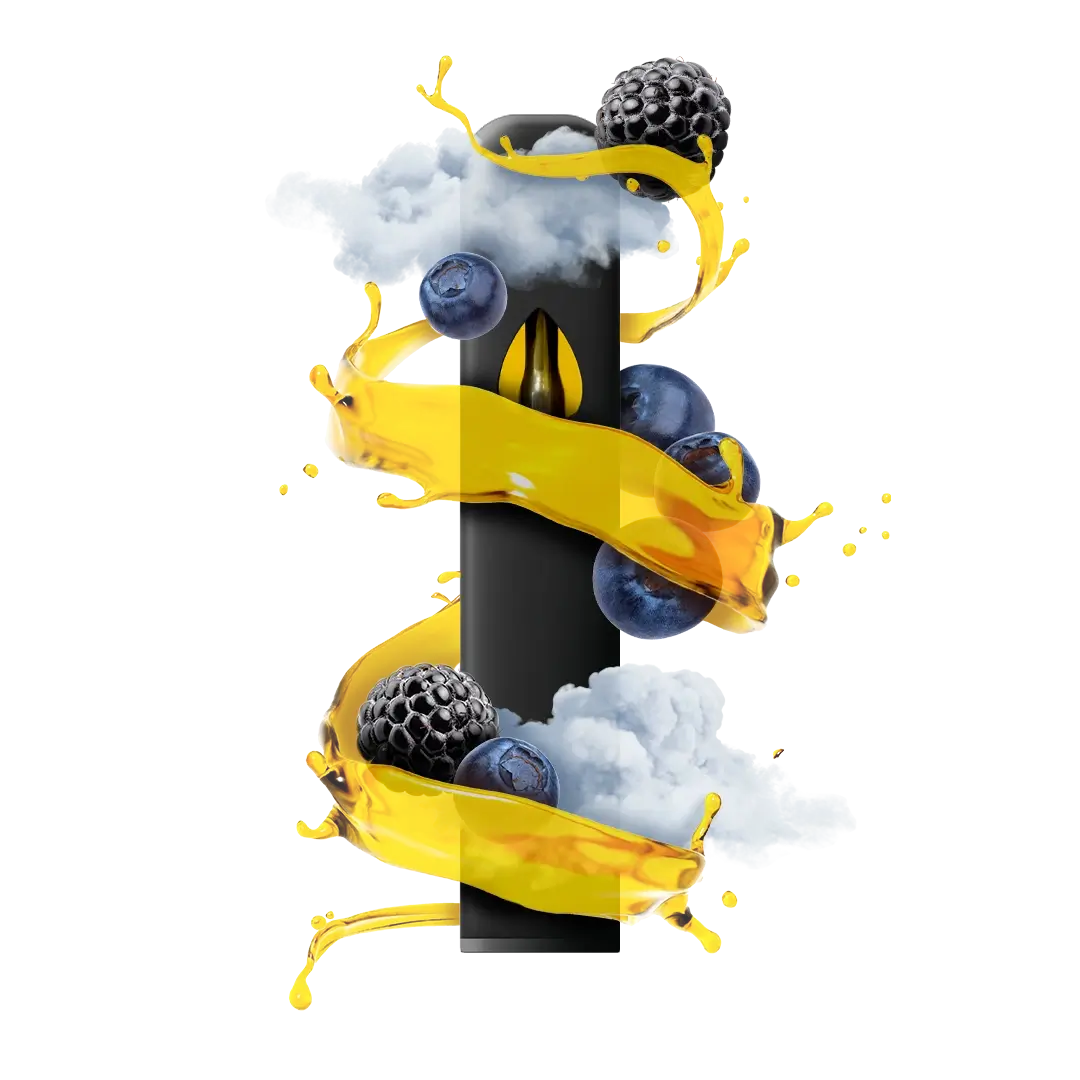
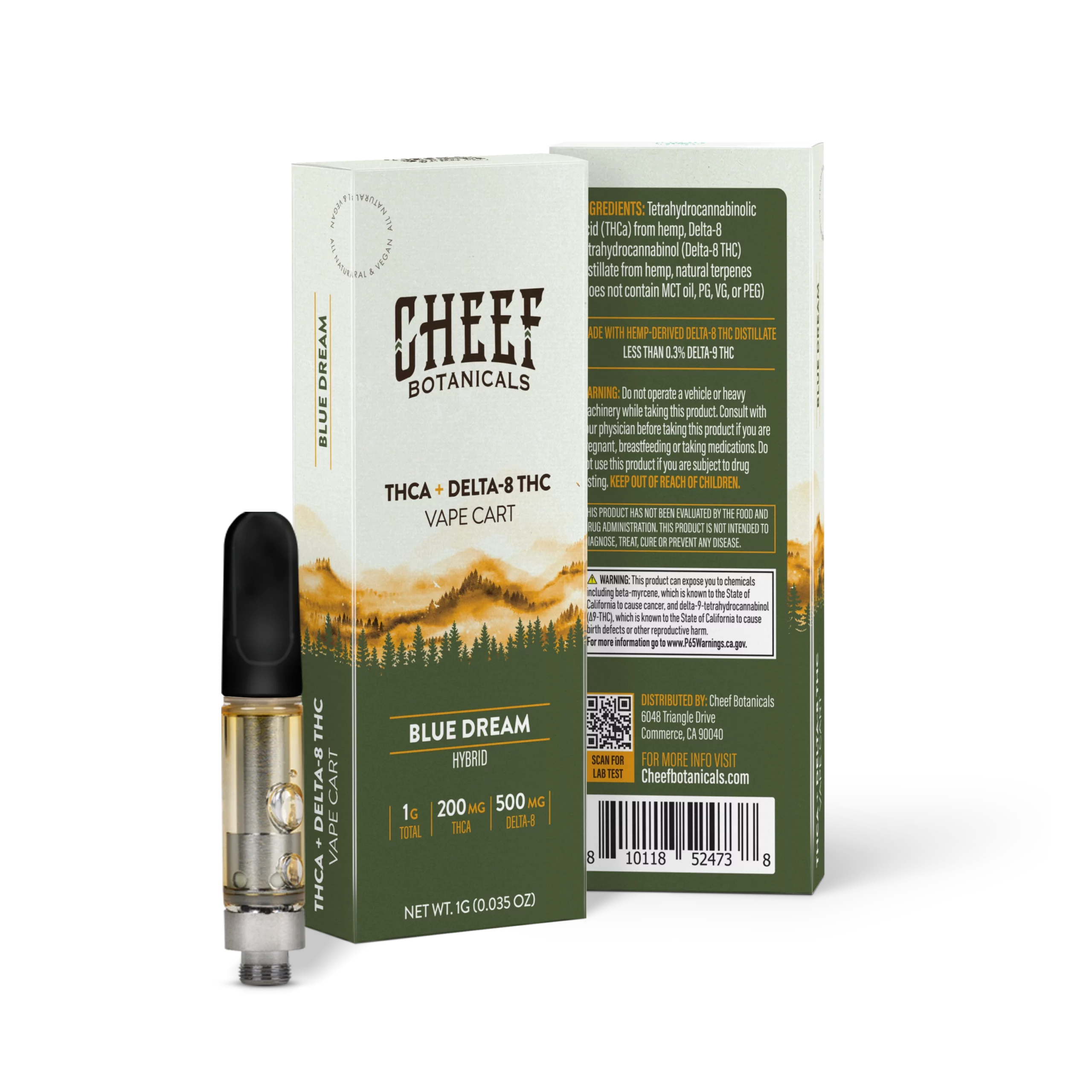


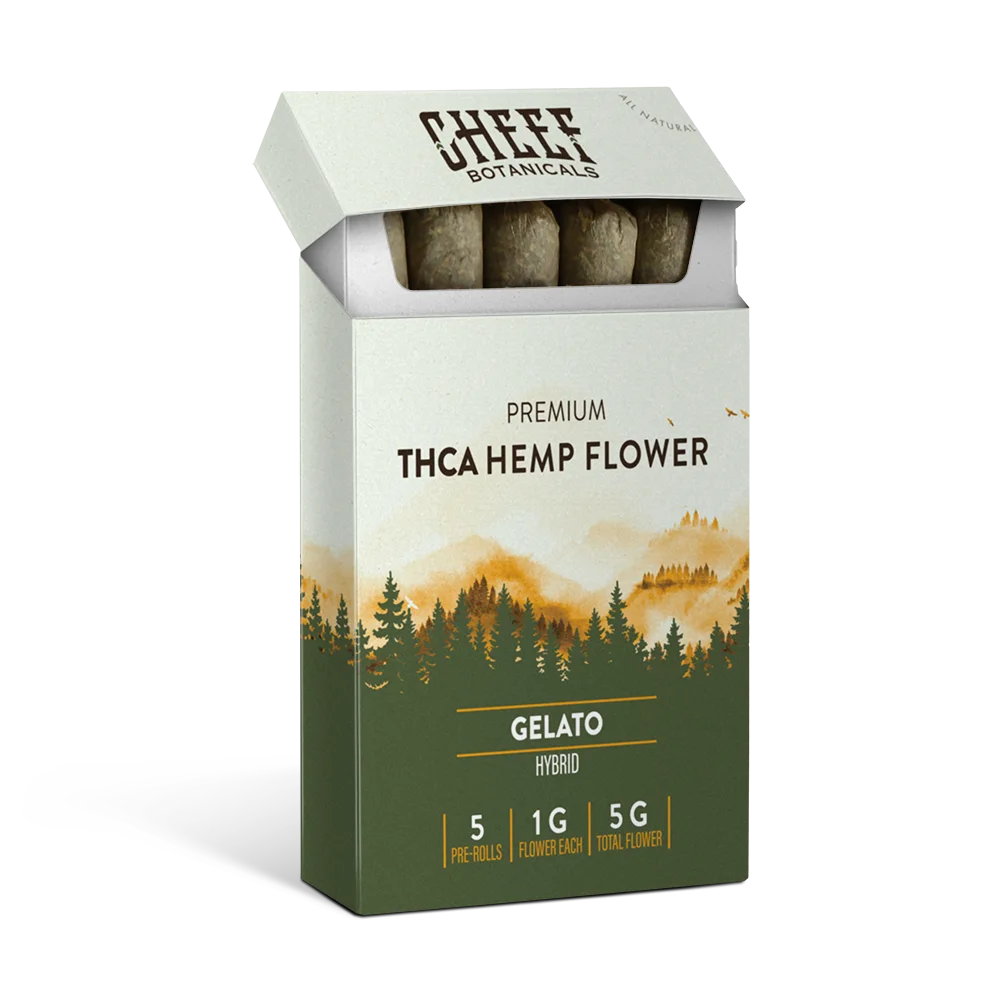
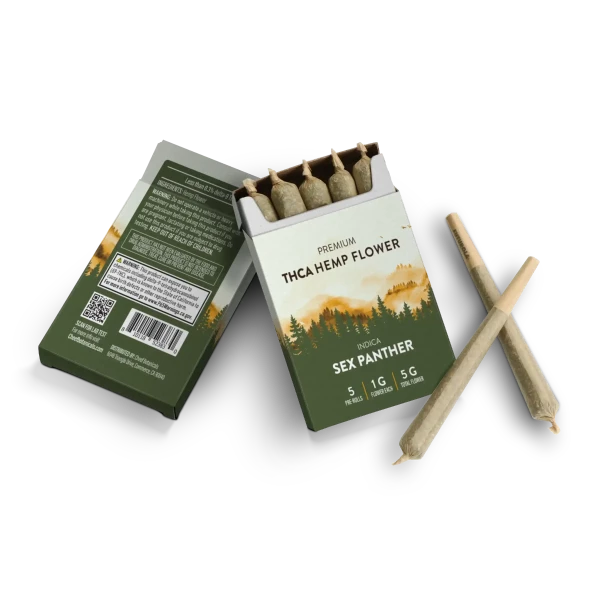








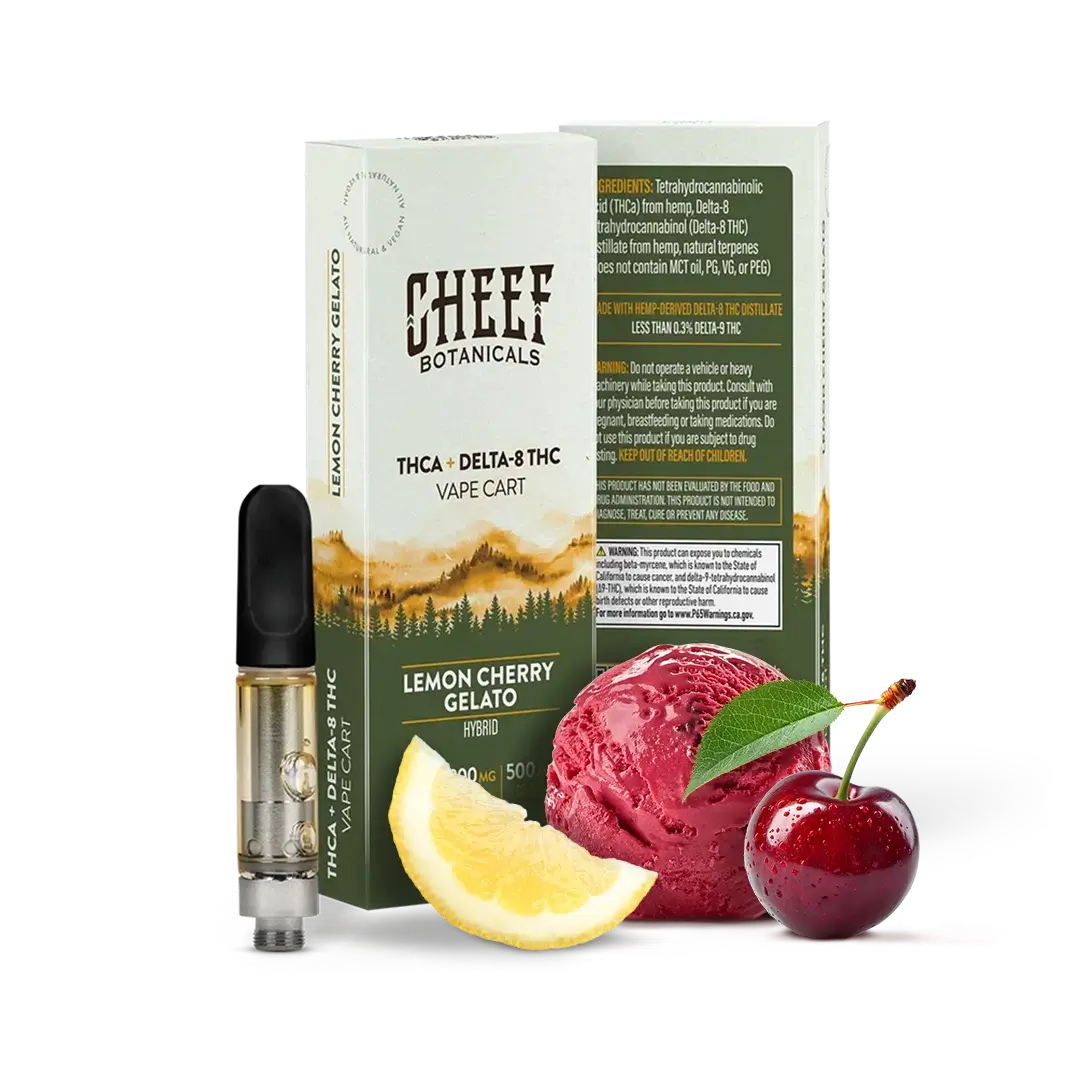

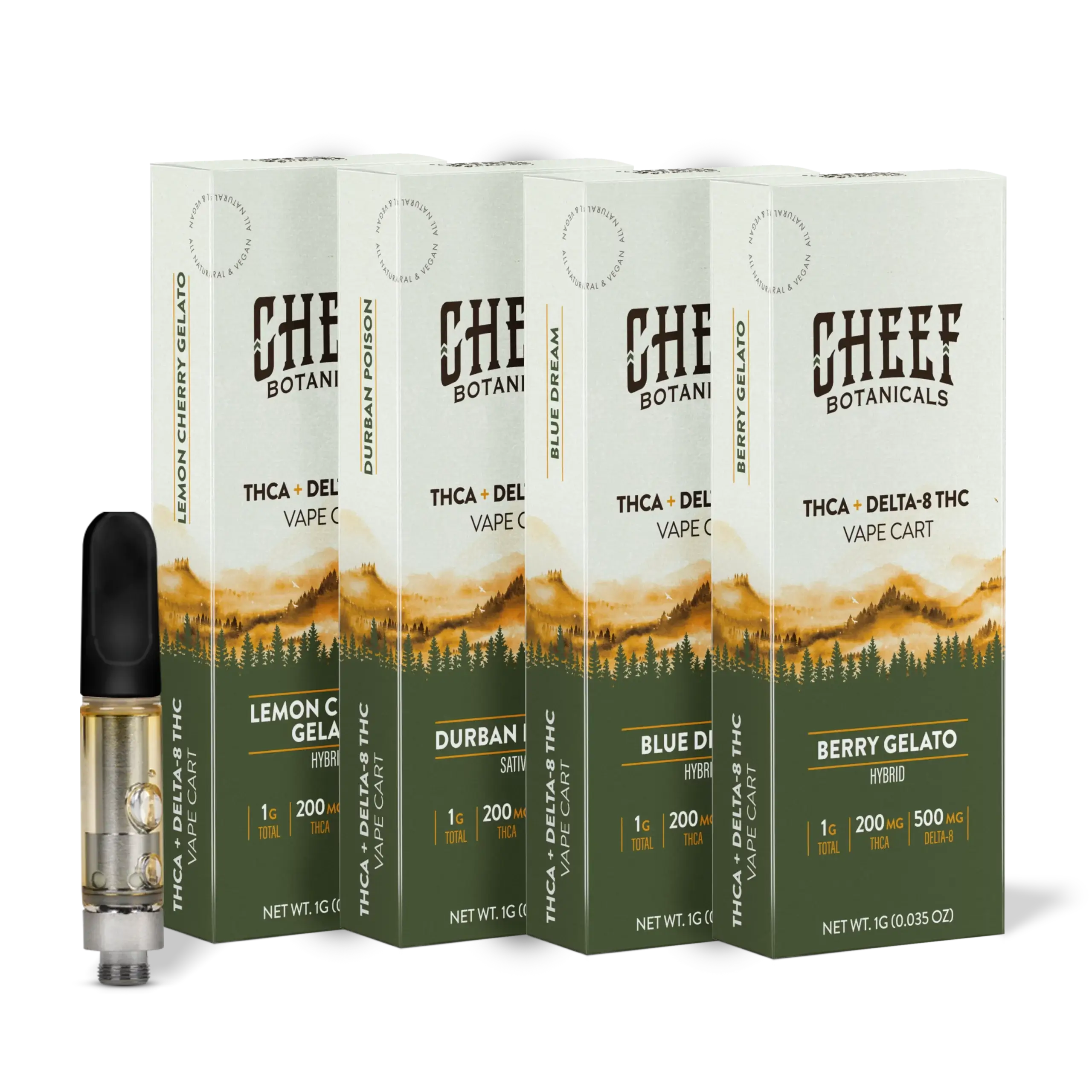

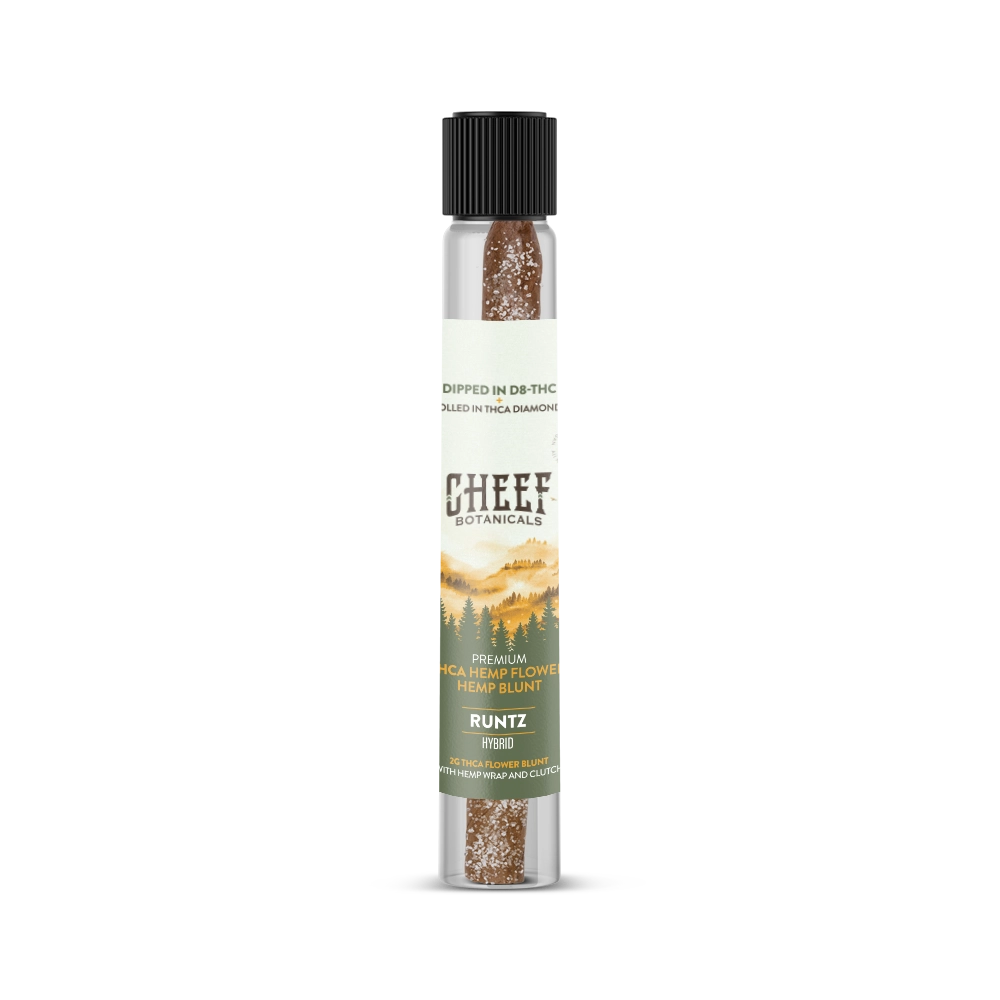


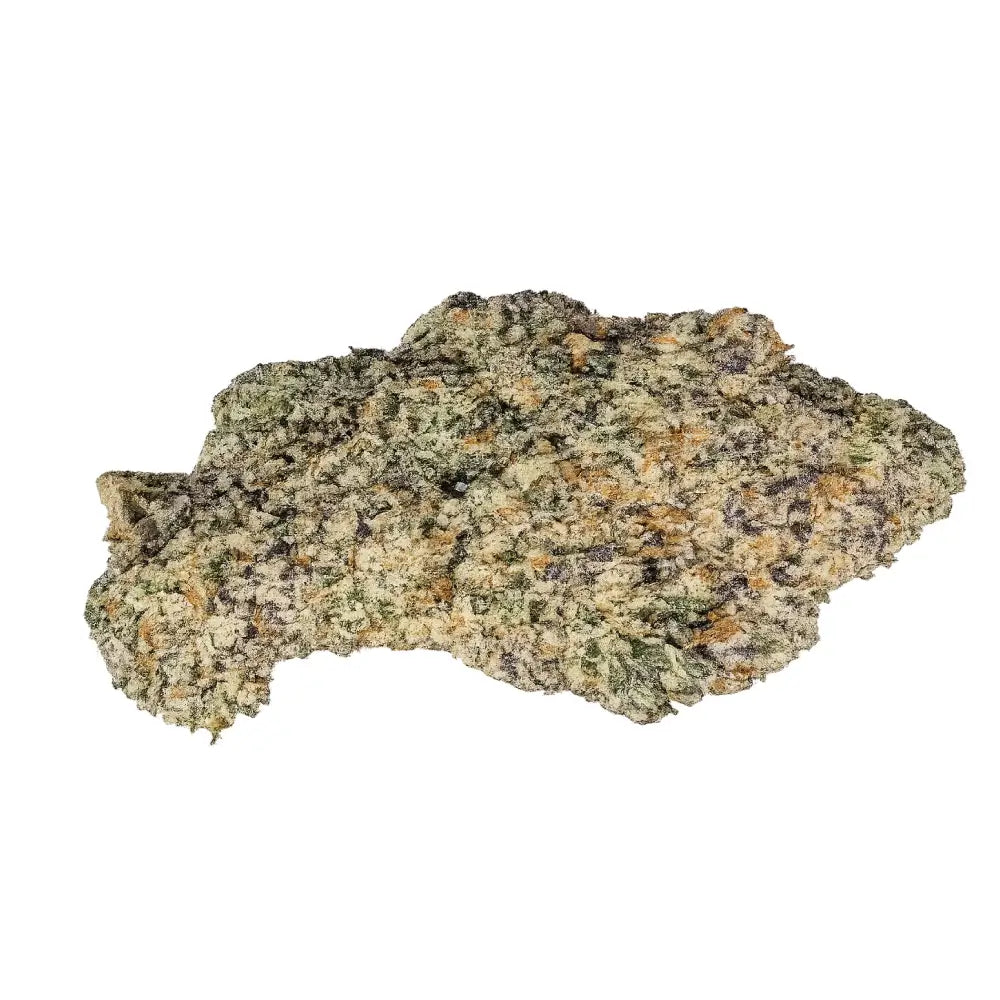

THCa legality by state is not as simple as many people think. You might see THCa sold online as legal hemp, then hear it is restricted once it reaches certain states. That gap creates real confusion, especially if you want to stay compliant.
What makes it tricky? Well, you see, THCa is a naturally occurring cannabinoid found in raw cannabis. On its own, it does not produce psychoactive effects. Once heat is applied, it can turn into psychoactive THC. Some states regulate based on current chemistry. Others regulate based on what THCa can become.
That single difference explains why THCa varies so much across the country. Federal hemp laws focus on the federal THC limit, not THCa itself. States can go further. Some use total THC rules. Others ban smokable hemp outright.
At Cheef Botanicals, we know local regulations matter just as much as federal rules. That’s why we put together this guide to help you understand THCa’s legal status. It gives you the clarity you need before you buy, ship, or travel.
Is THCa Legal in the U.S.?
THCa is not automatically legal across the U.S., and that uncertainty catches many people off guard. Federal law allows certain hemp-derived products, yet states decide how they treat THCa. That split explains why one state allows sales while another treats the same item as a controlled substance.
THCa exists in raw form and stays non-intoxicating until heat changes it into THC. Some states judge legality based on current chemistry. Others focus on what THCa can become, even when it stays under the federal 0.3% Delta-9 THC limit.
This push and pull places THCa in a legal gray area. THCa legality by state depends on how local rules interact with federal guidelines and the federal THC limit. Online purchases can still face problems if THCa flower crosses into a state that bans it. We urge you to check your state laws first.
If you’re asking, "Is THCa legal in all 50 states?" the honest answer is no.
The Impact of the 2018 Farm Bill
The 2018 Farm Bill reshaped the hemp industry by removing hemp from the federal controlled substances list. Under this law, cannabis with less than 0.3% Delta-9 THC qualifies as hemp, which allows growers and brands to produce and ship hemp-derived goods nationwide.
That framework opened the door for THCa, but only in raw form. THCa acts as a non-psychoactive precursor found naturally in hemp plants. It does not produce psychoactive effects until it is heated, converting it into THC. On paper, that chemistry places many THCa products within hemp rules.
Here's where things tighten. Federal protection applies only when Delta-9 THC stays below the legal threshold at all times. Some states apply total THC formulas or restrict smokable hemp. Others focus on how products are tested or sold. Those choices directly influence THCa's legal status.
At Cheef Botanicals, we track these shifts so you understand what you can buy and ship.
Hemp-Derived vs. Marijuana-Derived THCa
The source of THCa plays a big role in whether you can buy it legally. Hemp-derived THCa comes from federally legal hemp plants and often aligns with federal rules when the final product is below 0.3% Delta-9 THC.
You will usually find legal hemp-derived THCa sold online as flower, vapes, or concentrates labeled as hemp. Reputable brands like Cheef publish COAs to show cannabinoid levels and confirm compliance. These products fall under hemp pathways, not state cannabis programs.
Marijuana-derived THCa tells a different story. It comes from cannabis plants that exceed federal THC thresholds and moves through licensed dispensaries in states with medical or adult-use systems. Those products follow cannabis licensing, testing, and tracking rules.
States also watch how THCa looks and functions. Some regulators treat smokable forms as intoxicating hemp products, even before heating occurs. That distinction affects shipping, retail access, and possession limits. You protect yourself by checking state guidance before you buy. This keeps your purchase compliant and predictable.
What States Is THCa Legal In?
THCa rules vary by state, and those differences affect how you can buy or carry it. Some states allow adult use, while others apply tighter restrictions or specific conditions. A few ban it outright. Local testing standards and enforcement also differ. Before you purchase, ship, or travel, you need to check current state guidance so you avoid surprises and stay compliant.
Fully Legal States (Recreational + Medical Use)
These states allow adult-use cannabis alongside THCa formats like flower, vapes, and concentrates. You can buy them online or in stores when products are under the federal Delta-9 THC limit. Rules still vary by testing, labeling, and local enforcement, so you should confirm state guidance before buying or carrying them.
Fully legal THCa states:
- Alaska
- Arizona
- California
- Colorado
- Connecticut
- Delaware
- Illinois
- Maine
- Maryland
- Massachusetts
- Michigan
- Missouri
- Montana
- Nevada
- New Jersey
- New Mexico
- New York
- Oregon
- Rhode Island
- Vermont
- Virginia
- Washington
Medical-Only THCa States
These states do not allow adult use, but they run active medical marijuana programs. You may access THCa with a valid card and a qualifying condition. Enforcement can differ by agency. Testing rules, product form, and purchase channels vary, so you should confirm guidance before you buy, carry, or ship anything.
Medical-only THCa states:
- Alabama
- Arkansas
- Florida
- Hawaii
- Iowa
- Kentucky
- Louisiana
- Minnesota
- Mississippi
- New Hampshire
- North Dakota
- Ohio
- Oklahoma
- Pennsylvania
- Utah
- West Virginia
States Where THCa Is Restricted or Illegal
In these states, regulators treat THCa as a controlled substance or place strict limits on it, even when it comes from hemp. You face risks if you possess, sell, or ship it. Enforcement can include seizures, fines, or charges, so checking current state guidance before acting prevents costly mistakes.
Restricted or banned THCa states:
- Georgia
- Idaho
- Indiana
- Kansas
- Nebraska
- North Carolina
- South Carolina
- South Dakota
- Tennessee
- Texas
- Wisconsin
- Wyoming
Note: Laws change fast and enforcement differs by location. Always review current state guidance and official agency updates before buying, carrying, or using THCa to avoid compliance issues locally.
Where Is THCa Legal for Online Purchase and Delivery?
You can buy THCa hemp flower online in many states when it meets Farm Bill limits and is under 0.3% Delta-9 THC by dry weight. In those areas, regulators often treat raw THCa like hemp instead of marijuana.
Still, enforcement does not stop at federal rules. States apply their own testing standards, shipping limits, and sales rules under local hemp regulations. That means a product sold legally online may still face issues once it crosses state lines. Some states block delivery or restrict possession even when federal guidelines are met.
Before you order or ship THCa, review both federal guidance and your state’s hemp laws. That extra step helps you avoid delays, returns, or products that fail to remain legal where you live.
Shipping Limitations by State
Shipping THCa across state lines takes extra care. Some states treat THCa hemp flower as a controlled substance, especially when labs apply total THC testing instead of Delta-9 alone.
Even when your state allows hemp, a shipment can face holds or returns if the destination applies stricter cannabis rules. Risk increases when the product looks or smells like cannabis flower, which can trigger screening. Carriers and state agencies often rely on paperwork, not intent.
That’s why you should order only from brands that ship legal hemp products. These brands typically provide clear Certificates of Analysis (COAs), batch numbers, and destination-specific checks. Review the rules for both the sending and receiving states before you place an order.
Retail vs. Online Availability
Availability can shift, depending on where you shop. Some states allow online THCa sales but restrict in-store options. Others do the opposite. Those differences often come down to how each area separates hemp commerce from medical and recreational cannabis programs.
Online sellers usually focus on federally compliant THCa sourced from industrial hemp, while retail shops may follow stricter cannabis licensing rules. Cities and counties can also add their own limits on delivery zones or possession amounts. That creates gaps where a product looks legal in one place but not another.
Again, before you buy, you should check both state and local rules for online and in-person sales. Taking a few minutes to confirm those details helps you avoid surprises after checkout.
Traveling with THCa Flower Legalities
You can travel with THCa flower only when both your starting point and destination allow it. Even though THCa is federally legal under the 2018 Farm Bill, states still apply their own rules. Some treat THCa as a controlled substance, even when it comes from hemp.
Possession limits also vary by location. One state may allow small amounts, while another bans THCa flower altogether. That risk increases when you cross state lines, since enforcement follows state-specific laws rather than your intent. Airports, highways, and shipping hubs often rely on state authority.
You also need to watch how states connect THCa to medical cannabis laws or broader recreational cannabis programs. Those frameworks influence possession limits, product form, and enforcement.
Before you pack, review both state and federal rules for each stop on your route. It's the best way to avoid confiscation, fines, or legal trouble while traveling.
What Is THCa and How Is It Different from THC?
THCa stands for tetrahydrocannabinolic acid. You find it in raw hemp and cannabis plants. In this natural state, THCa is non-intoxicating and does not alter how you feel. Things change once heat is applied.
Smoking, vaping, or cooking converts THCa into Delta-9 THC, the compound known to produce psychoactive effects. This chemical change is why THCa's legality often depends on form and use. A product may remain allowed when it's raw, yet face restrictions after conversion.
Understanding THCa (Tetrahydrocannabinolic Acid)
THCa is one of many cannabinoids found in hemp plants. You can think of it as the raw form that exists before heat changes its structure. Until decarboxylation happens, THCa behaves differently from THC and does not create the same mental experience.
You’ll often find THCa in raw flower, concentrates, or tinctures designed to be non-intoxicating. Many people look to these formats when they want hemp-based options without immediate intensity. That growing interest has pushed regulators to take a closer look.
The legal status of THCa now depends on how states interpret chemistry, product form, and intended use. As rules tighten in some areas, understanding how THCa works helps you judge where it fits within current hemp and cannabis frameworks.
Why THCa’s Raw Form Impacts Legality
In its raw form, THCa does not meet the federal definition of THC because it has not converted into an active compound. Under the 2018 Farm Bill, hemp products qualify when Delta-9 THC is below 0.3%, not when total THC is measured.
That distinction allows many raw THCa products to enter the market. Problems arise at the state level. Some states look beyond current chemistry and regulate based on what THCa could become once heated.
This leads to stricter regulations, even for products that meet federal standards. As a buyer, you need to know how your state applies testing rules, intent, and product form before you purchase or ship THCa.
How THCa Converts to THC and Why It Matters Legally
When you apply heat through smoking, vaping, or cooking, THCa drops its acid group and converts into Delta-9 THC. That chemical change can shift a product from compliant hemp into something regulators treat very differently. This is why the consumption method affects legality.
In raw form, THCa is legal under federal standards when Delta-9 THC stays below the limit. Once conversion happens, some states reassess the product based on total THC potential. Others test only for active Delta-9 levels.
Those testing choices influence enforcement, possession limits, and product access. Before you use or transport THCa, you should understand how your state measures THC and how consumption changes classification.
THCa vs. Delta-9 THC and CBD: Legal Comparison
Delta-9 THC is the compound most laws focus on because it creates intoxicating effects. That association keeps it restricted or banned in many states. CBD sits on the opposite end. It does not intoxicate. It gained wide acceptance when sourced from hemp and kept within federal limits.
THCa sits between those two. In raw form, it behaves more like CBD. It is non-intoxicating and exists naturally in hemp and cannabis plants. Heat changes that picture. Once THCa converts into THC, regulators may treat it differently. Thanks to this dual nature, THCa rules vary widely from state to state, which is why product form and use matter.
Where to Get the Best THCa Products
Finding reliable THCa products shouldn't be confusing. At Cheef Botanicals, you get USA-grown THCa backed by third-party testing and transparent sourcing. You know what you’re buying, how it’s made, and why it meets federal standards before it reaches your door.
-
THCa Flower and Pre-Rolls
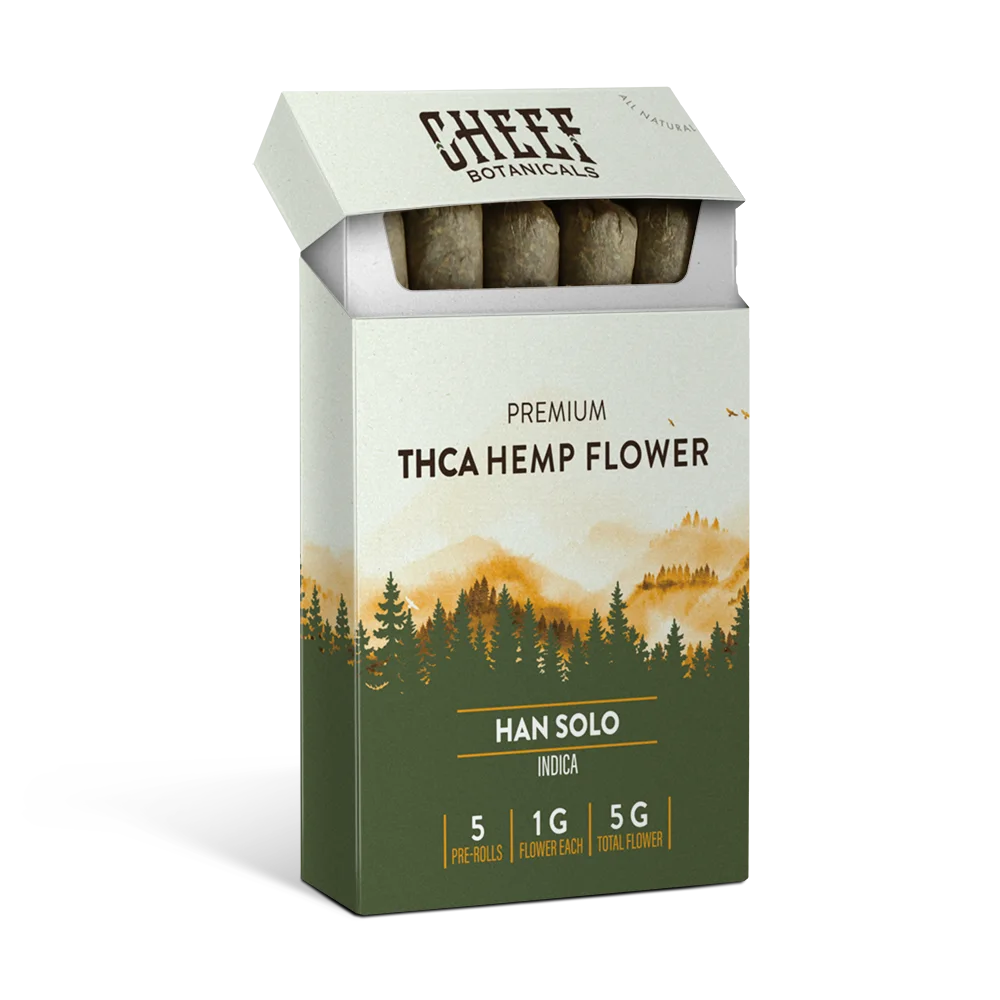
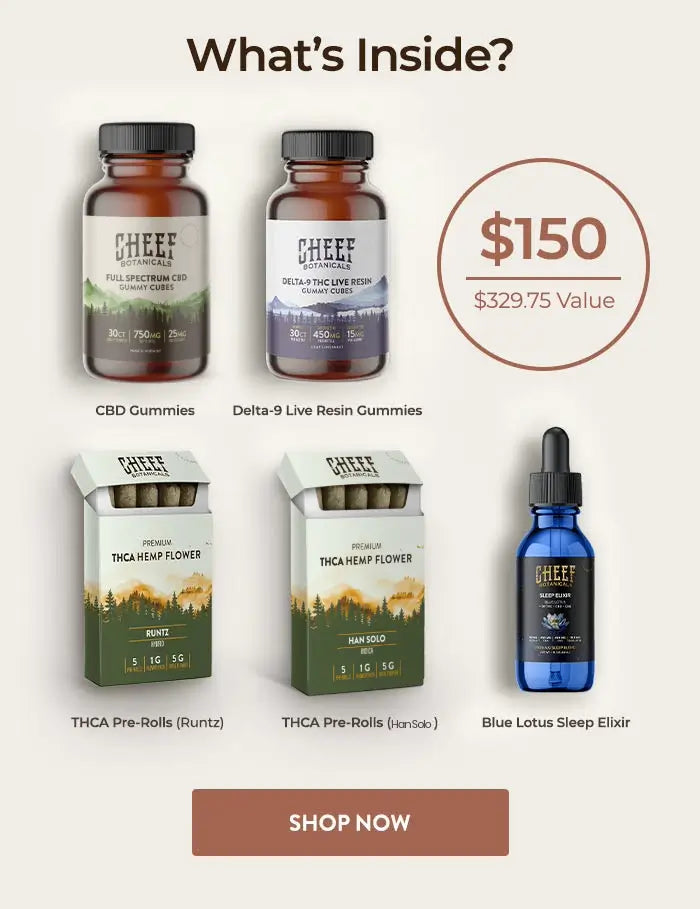
You can choose from indoor-grown hemp flower options like Gelato, Pineapple, or Han Solo. Pre-rolls offer added convenience using the same carefully selected flower. Each batch is lab-tested to confirm cannabinoid levels, purity, and consistency before release. -
THCa Disposables and Carts
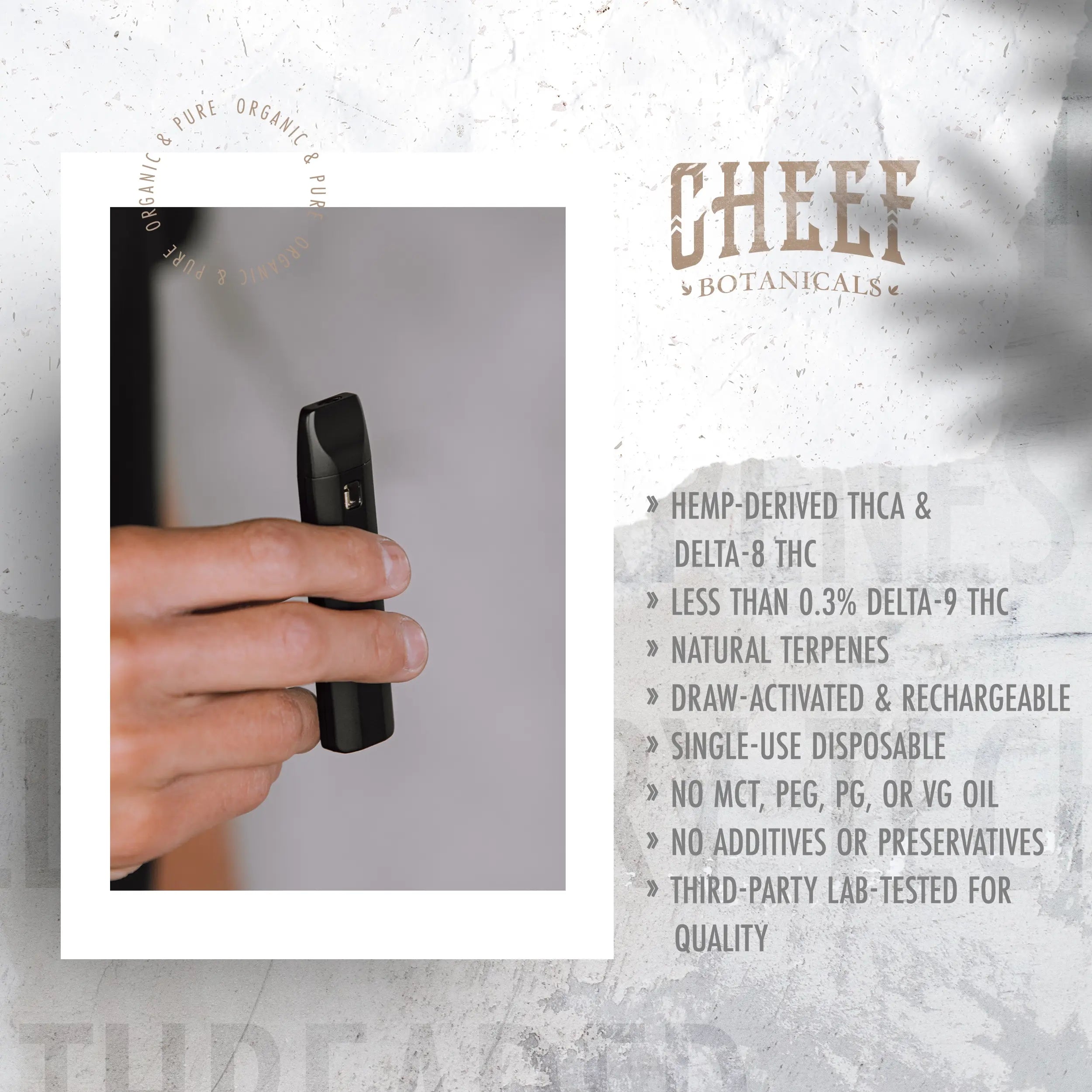
Disposables arrive ready to use with no setup required. Vape carts pair easily with standard 510-thread batteries. Both formats focus on smooth vapor, steady performance, and clearly labeled cannabinoid content so you know what you’re using. -
THCa Concentrates
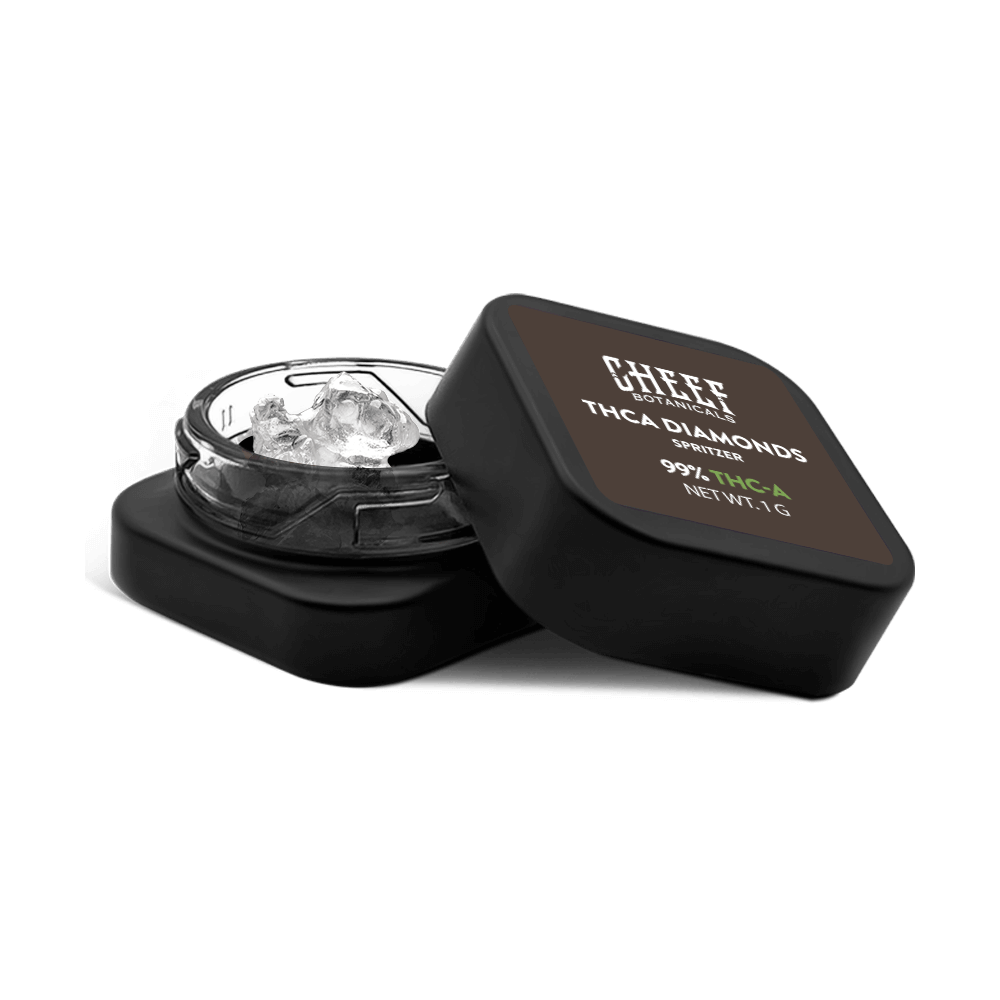
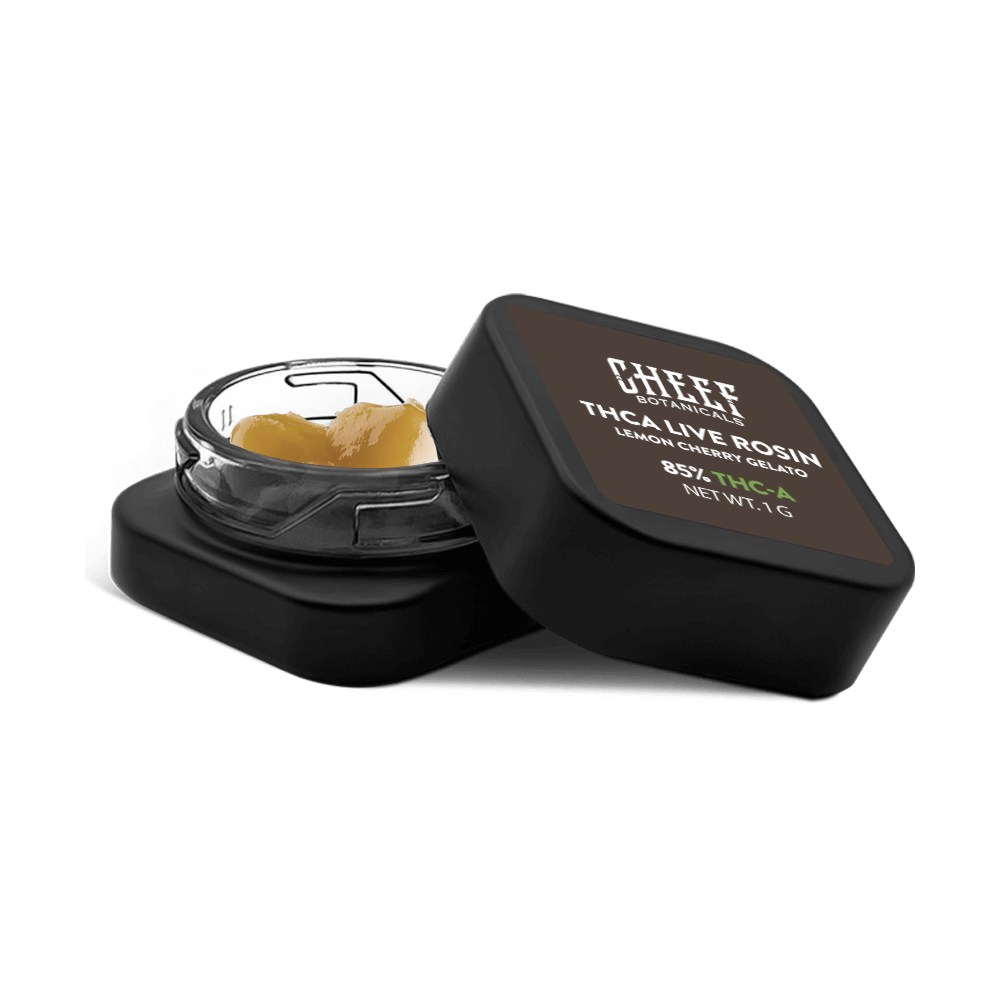
THCa Diamonds and live rosin highlight terpene-rich profiles through solventless processing. These concentrates focus on clean extraction, controlled consistency, and preserving the natural characteristics of the plant without unnecessary additives. -
THCa Edibles
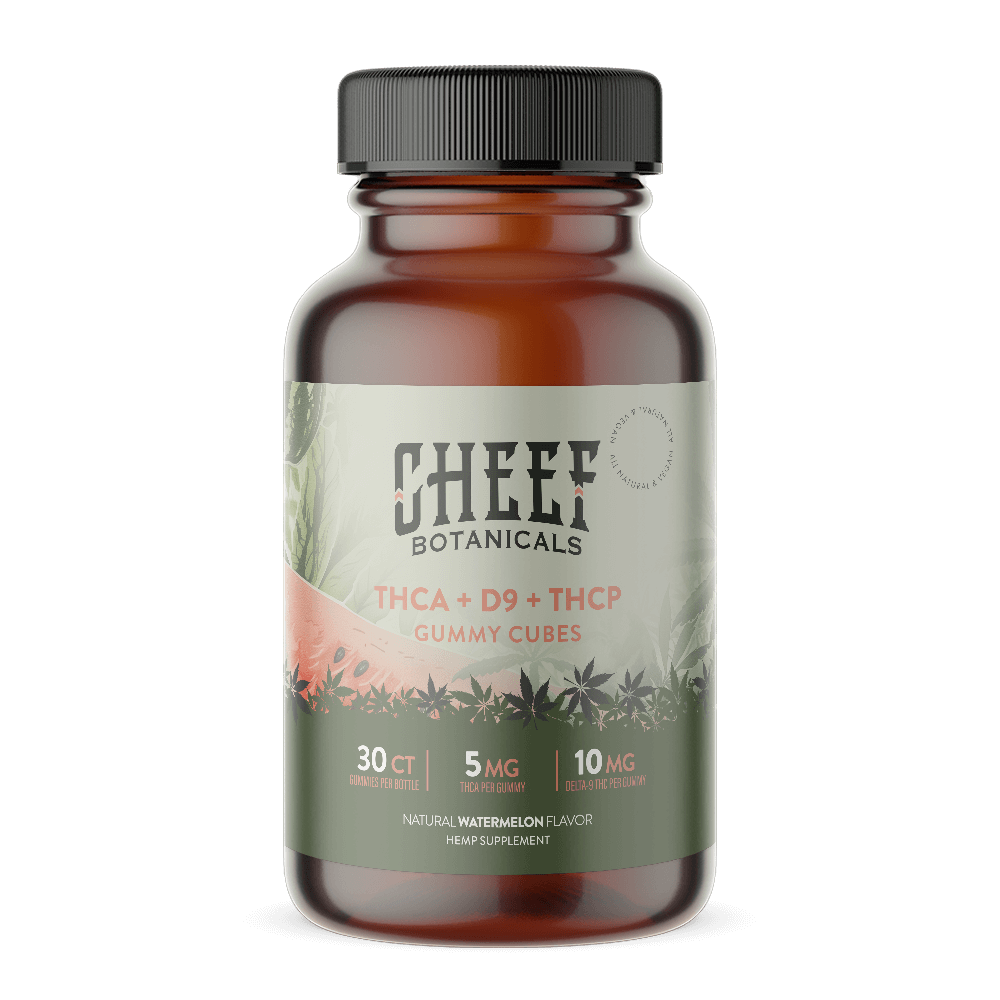
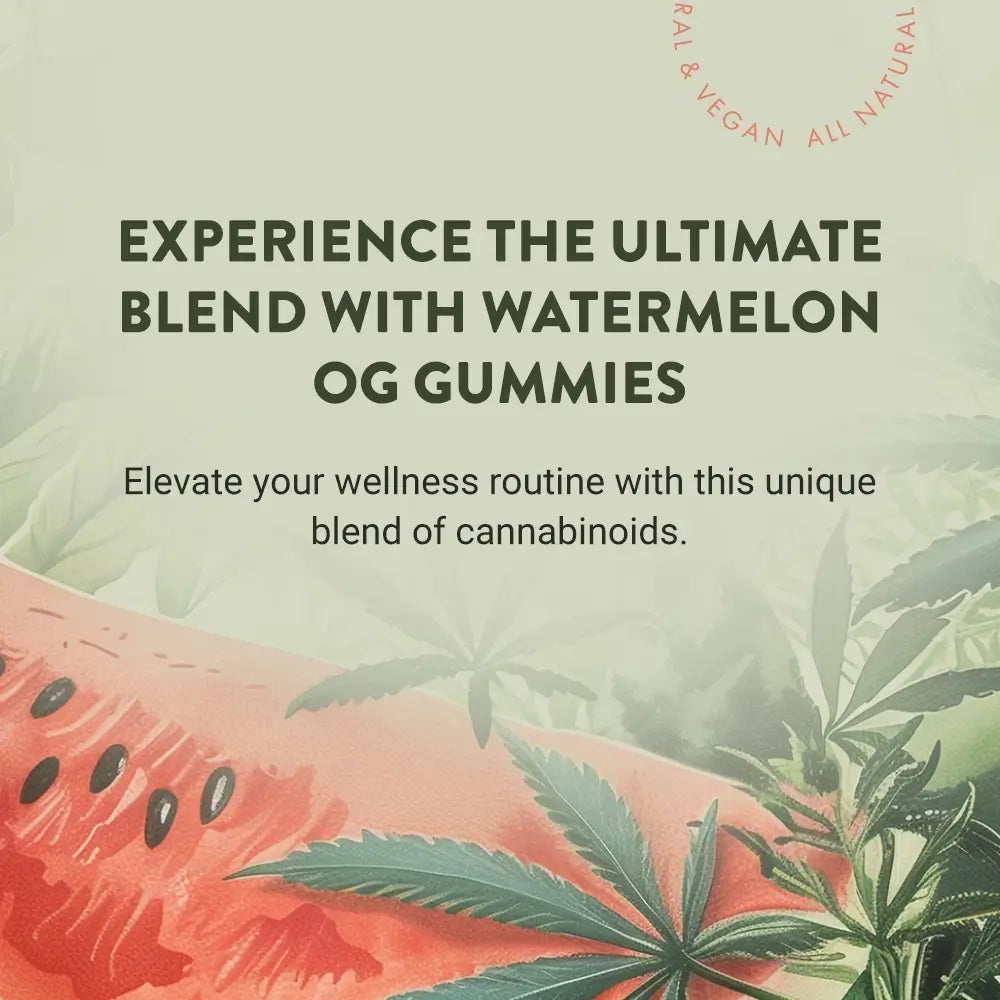
Watermelon OG gummies use nano-infusion to improve absorption and timing. You get a measured, flavorful option designed for consistency, clear labeling, and a predictable experience with each piece.
Why People Love THCa by Cheef Botanicals
At Cheef Botanicals, you earn confidence through consistent quality, clear lab results, and compliance-first sourcing. You can review testing, trace origins, and make informed choices without guessing every step involved.
Farm Bill-Compliant with COA
All our THCa products follow federal law and are within the 0.3% Delta 9 THC limit. You can review a Certificate of Analysis for each batch, showing cannabinoid levels, testing dates, and lab sources. With clear and detailed documentation, you can verify compliance, trace quality, and buy with confidence.
100% Naturally Grown
At Cheef Botanicals, you choose products made from 100% naturally grown hemp cultivated in the USA. We avoid synthetic additives, harsh treatments, and unnecessary processing. That natural approach carries through every step, giving you clean, carefully handled THCa products you can trust from source to final package.
Third-Party Lab-Tested for Quality
Each batch goes through independent third-party lab testing before release. You can review potency, purity, and compliance results for yourself. This process checks cannabinoid levels, screens for contaminants, and confirms consistency. With this verification, you can trust that every order meets the same high standard every time you buy.
Future of THCa Laws: Is It Likely to Change?
THCa laws will likely keep changing in the coming years. As the cannabis market expands, state and federal lawmakers continue to revisit how hemp-derived cannabinoids fit within existing rules. Those reviews affect how THCa is defined, tested, sold, and enforced.
Right now, THCa sits in a legal gray area. Federal rules focus on Delta-9 THC limits, while states apply their own interpretations. Some follow federal definitions closely. Others treat THCa as a workaround for restricted cannabis products.
As demand grows, more states adjust statutes, testing standards, and enforcement priorities. Staying aware of the legal landscape helps you avoid compliance issues.
States with Pending Legislation
Several states are actively reviewing bills that could reshape how THCa flower and similar hemp products are treated. Some proposals push for tighter limits under existing drug statutes. Others aim to regulate THCa more like adult-use cannabis, with updated testing, labeling, and sales rules.
These changes may affect how products are classified, especially when regulators evaluate total THC after heating. They can quickly alter what qualifies as compliant.
States to watch include:
- South Dakota
- West Virginia
- Rhode Island
- California
Because timelines and enforcement vary, you should monitor state updates closely. Reviewing official state resources or legal guidance helps you stay informed as rules continue to evolve.
What to Watch for in Federal Policy
At the federal level, THCa rules could shift as agencies revisit how hemp-derived compounds are measured and classified. Lawmakers and regulators continue to debate whether raw THCa should count toward total THC limits set by the 2018 Farm Bill.
If federal testing standards change, products now sold as hemp could fall under marijuana rules once total THC crosses 0.3% after heating. That update would affect how products are tested, labeled, and sold nationwide.
Several agencies play a role here. The Food and Drug Administration (FDA) influences product oversight and labeling. The U.S. Department of Agriculture (USDA) shapes hemp production and testing standards. The Drug Enforcement Administration (DEA) weighs in on controlled substance definitions and enforcement. Together, their guidance can reshape interstate shipping and compliance expectations.
For you as a buyer or brand, federal updates are very important. Changes at this level often ripple across all states, even those that currently allow THCa flower.
Before You Buy: Must-Know THCa Legal FAQs
Is THCa legal everywhere?
No, THCa is not legal everywhere. Federal hemp rules allow low Delta-9 levels, but states still set enforcement. You need to check state and local guidance before buying, traveling with, or storing THCa products.
Can you legally buy THCa online?
You can buy THCa online when your state permits hemp under federal guidelines. The product must come from hemp and is under the federal Delta-9 THC limit. Some states restrict sales or delivery, so you should confirm rules before ordering, shipping, or storing THCa.
Can THCa be shipped to your home?
Yes, we can ship THCa to your home when your state allows it. Some states still block delivery, even for federally compliant products. Always check state shipping rules before ordering to avoid delays, holds, or returned packages.
Is shipping THCa across state lines allowed?
You can ship hemp-derived THCa across state lines under federal law when it's below the 0.3% Delta-9 THC limit. States can still stop shipments if they classify THCa differently. You and the seller must follow destination rules to avoid seizures, delays, or legal exposure during the transit and delivery process.
Are dispensaries allowed to sell THCa?
Some dispensaries carry THCa when state rules clearly allow hemp-based items. Others pass due to uncertainty or risk concerns. What you find depends on how regulators classify THCa under local cannabis programs and enforcement priorities in your area.
Final Thoughts – THCa Legalities State-by-State
THCa's legality keeps changing as states update rules and clarify enforcement. What works in one place may not work in another, so you should always review both state and federal regulations before buying, shipping, or traveling with THCa products. Options range from raw flower to vape disposables and edibles, but legality depends on sourcing and compliance.
At Cheef Botanicals, you shop with confidence. We offer lab-tested THCa products that follow federal guidelines and include a clear COA for every batch. Whether you choose flower, carts, or gummies, consistency and transparency come first. As the cannabis industry continues to grow, staying informed helps you stay compliant. Choose trusted brands, read lab reports, and keep up with your state’s current rules.
Disclaimer: This content is provided for informational purposes only and does not constitute legal advice. Cannabis laws change often and vary by location. For guidance specific to your situation, consult a qualified attorney or your local regulatory authority

*All products are Federal Farm Bill Compliant and contain less than 0.3% THC*FDA DISCLOSURE:The statements regarding these products have not been evaluated by the FDA. These products are not intended to diagnose, treat, cure or prevent any disease, consult your health physician before use. The Federal Food, Drug and Cosmetic Act requires placement of this notice.