

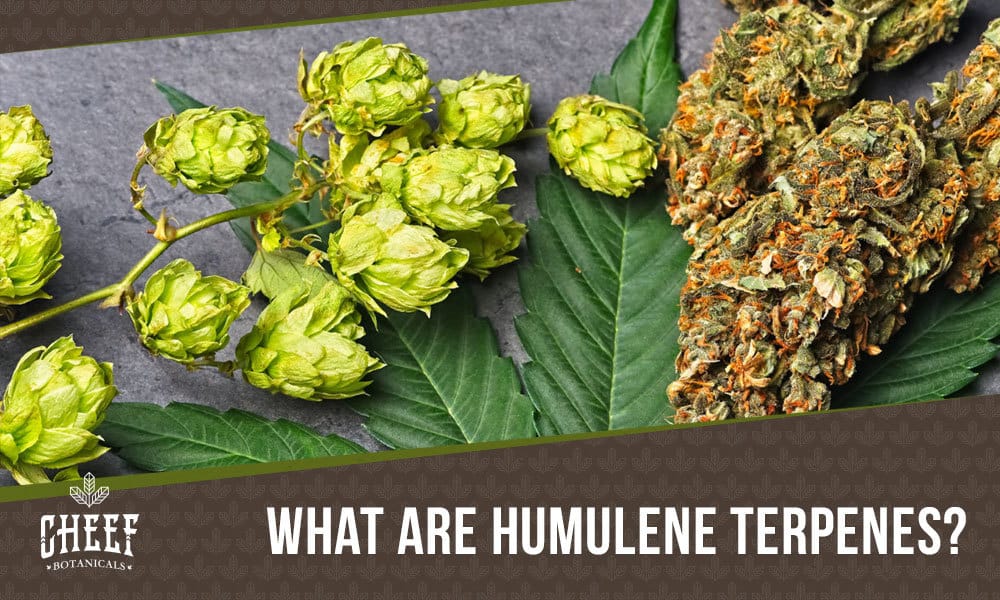
You know that crisp, slightly bitter aroma in certain plants and essential oils? That signature scent often comes from humulene, a natural compound found in hops, herbs, and cannabis. It gives off that classic “hoppy” note you recognize in beer, without any actual wood or soil involved.
Curious how one compound can influence a strain’s flavor and scent? Below, we take a closer look at the humulene terpene, where it comes from, and why it shows up in your favorite plant-based products.
What Are Terpenes?
Terpenes are natural compounds found in many plants, giving each one its flavor and aroma. In the cannabis plant, terpenes help shape a strain’s scent and effects. Over 20,000 terpenes exist, with about 200 identified as cannabis terpenes. These compounds are often extracted into essential oils and wellness products.
Each terpene has its own aromatic profile, from citrus to spice. Myrcene may feel calming, while limonene smells bright and fresh. The humulene terpene is being studied for its potential effects, including its possible role as an appetite suppressant. It also works with other cannabinoids through the entourage effect, which may influence how cannabis feels.
What Is Humulene?
Humulene, also known as α-humulene or alpha-humulene, is a cannabis terpene found in hemp and marijuana. It appears in wood, which gives some strains a woody aroma and an earthy terpene profile. You will also find it in the hops plant, the same source used to brew beer.
Early research once grouped it with beta-caryophyllene due to a shared chemical structure. Later studies confirmed they are isomers, not identical compounds. Even so, they often appear together in high concentrations. Humulene adds a distinct character to aroma and flavor. Its presence helps explain the depth found in certain cannabis profiles today.
What Do Humulene Terpenes Smell & Taste Like?
Humulene terpenes carry a rich, earthy taste with a smooth wood-like finish. The humulene smell often brings to mind fresh herbs, forest air, and subtle spice. You may notice spicy notes mixed with a light bitterness, similar to what you taste in hops and certain craft beers. That link comes from the same compound found in cannabis and hops.
This terpene also appears in balsam fir, which is why it can have a unique scent that feels crisp and familiar. Some even compare it to pine trees during colder seasons. This layered profile gives many strains a grounded, natural character.
What Are the Effects of Humulene?

Humulene has a long history in natural remedies, especially in Chinese herbal practices. Ginseng tea and sage oil are classic examples used for their soothing qualities. Today, research points to other potential benefits, including appetite suppression and anti-inflammatory effects. Scientists continue to study its role in the body, with more research needed to confirm these findings.
Inflammation
Some consumers believe humulene has anti-inflammatory properties, and recent studies give this idea some support. In animal models, humulene and caryophyllene reduced swelling in ways comparable to certain medical treatments. Researchers believe this links to the endocannabinoid system (ECS). These early findings highlight the potential humulene terpene effects on inflammation, though more human studies are still needed.
Appetite
Humulene is being studied for its role in appetite control. Early findings suggest it may be linked to appetite suppression, especially when paired with other terpenes like beta-caryophyllene. This interaction may influence how certain compounds work together in the body. These insights highlight possible health benefits, though more research is needed to confirm consistent effects.
Bacteria
Research has examined how this terpene interacts with Staphylococcus aureus, a bacterium commonly found on the skin and in the upper respiratory tract. It is known as a pathobiont, meaning it can cause issues under certain conditions. Early findings suggest antibacterial properties and antimicrobial effects, though more studies are needed to confirm consistent outcomes.
Abnormal Cell Growth
A 2003 study explored how humulene interacts with abnormal cells. Researchers found that alpha-humulene lowered glutathione levels while raising reactive oxygen species. Glutathione usually protects cells, including harmful ones. Higher ROS levels may limit abnormal cell activity. These findings highlight possible benefits of humulene, though results are early. Future studies may also examine how certain compounds interact with cancer cells.
Pharmacokinetic
Pharmacokinetics looks at how substances move through the body after use. Studies suggest humulene absorbs quickly and reaches the bloodstream with relative ease. This may influence how compounds from the cannabis plant interact with the body. Researchers continue to study how humulene contributes to timing, intensity, and overall potent effects observed in certain formulations.
Where Is Humulene Found?
Humulene appears in cannabis, which includes both hemp and marijuana plants. Many Sativa-dominant strain varieties are known for having cannabis strains high in this terpene. While marijuana laws vary, hemp-extracted products that contain humulene are federally compliant under current guidelines.
Beyond cannabis, humulene exists in many plants and is released naturally into the air. That fresh scent you notice in forests or herbs often comes from this compound. You will find humulene in balsam fir, basil, sage, clove, and black pepper. It also shows up in Cordia verbenacea, a South American plant used in traditional practices.
The hops plant, known scientifically as Humulus lupulus, contains high levels of humulene in its flowering cone. This connection explains why some strains carry a subtle beer-like note. Humulene plays a key role in shaping aroma and may influence how certain profiles are experienced across different plant sources.
Popular Strains That Have Humulene Terpenes

Many cannabis strains contain humulene, but some have notably higher concentrations of it. These humulene cannabis strains often carry an earthy profile with a subtle spicy aroma. Popular picks include:
- Hawaiian Haze
- Lifter CBD
- Sour Space Candy
- Durban Diesel
- Sour Diesel
- Wagyu Kush
- OG Kush CBD
- Bubba Kush
- Pink Kush
- Girl Scout Cookies
- Headband
- White Widow
- Super Lemon Haze
- Skywalker OG
You will notice variety across each option. Some lean toward a hybrid strain, while others fall into an Indica-dominant strain category. That range gives you flexibility when choosing what fits your style. The humulene benefits may also vary depending on the full terpene profile.
At Cheef Botanicals, we offer a curated selection of premium CBD flower, including several humulene strains. Each batch is carefully sourced and tested for quality. You can try different options and find what feels right for your routine.
Final Thoughts - Humulene Terpene
Humulene terpenes bring that grounded, earthy flavor many cannabis users appreciate. They appear in everyday plants, from hops to herbs, which gives them a familiar feel. As research continues, we are learning more about how humulene contributes to aroma and overall experience. Its presence connects cannabis to flavors found in nature, from forests to even orange orchards.
While new terpenes continue to gain attention, humulene holds its place for a reason. That classic, woodsy note keeps showing up in products people enjoy. If you're curious, trying a CBD strain with humulene is a simple way to experience it firsthand and see how it fits your routine.

 CBD Gummies - Top Seller
 CBD + THC Gummy - Excellent Choice
 CBD Hemp Flower - Highly Rated
 Full Spectrum CBD Oil - Good Value




Leave a comment
This site is protected by hCaptcha and the hCaptcha Privacy Policy and Terms of Service apply.