

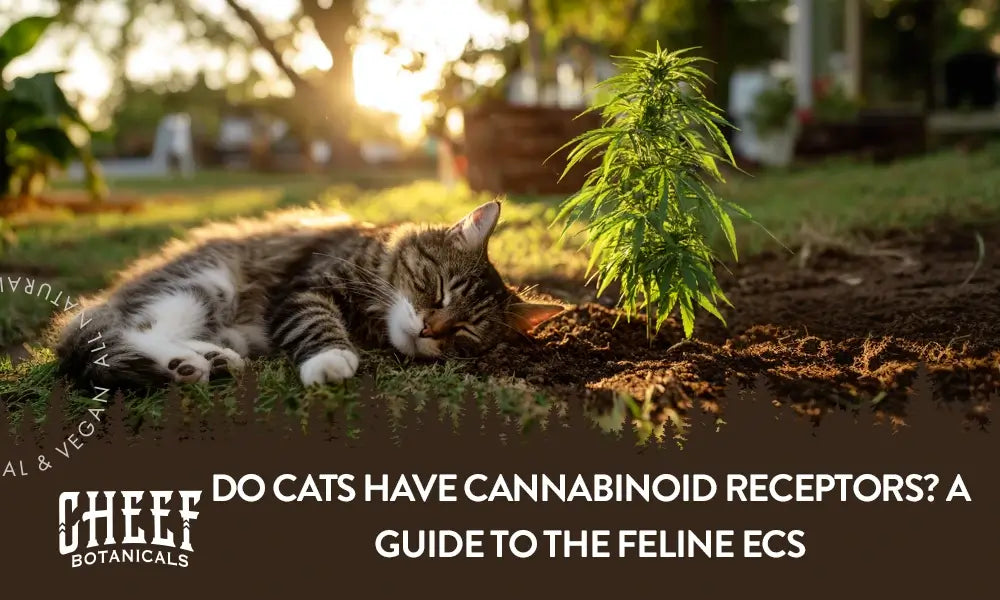
Do cats have cannabinoid receptors? They do, and this fact often surprises people who never guessed their pets have the same internal network humans rely on every day. The feline ECS plays a big role in how your cat feels, moves, eats, and reacts to daily stress.
It’s a simple system, but it affects a lot of things inside your cat’s body. Once you learn what these receptors do, you start to see why cats respond so strongly to certain compounds. If you want a clearer picture of how your cat stays balanced, this guide gives you a solid place to start.
Understanding Cannabinoid Receptors
Cannabinoid receptors are tiny message receivers that sit on cells and help guide the endocannabinoid system. They react to natural endocannabinoids your cat’s body already makes, and they also respond to outside compounds like CBD and THC when those are consumed. Each reaction sends signals that help the body stay steady and balanced.
Cats share this system with humans and dogs, although sensitivity levels can differ from species to species. These receptors act as part of a larger communication network that influences mood, appetite, comfort, and overall stability.
Do Cats Have Cannabinoid Receptors?

Cats do have cannabinoid receptors, and they rely on two main types called CB1 and CB2. These receptors help the endocannabinoid system guide comfort, mood, and balance inside the cat's body. You can think of them as tiny signal points that keep daily functions steady.
Many people are surprised that cats share this same system with humans and dogs. Once you learn how these receptors work, it becomes easier to understand why the feline endocannabinoid system matters so much.
Where Cannabinoid Receptors Are Found in Cats
CB1 receptors sit in areas connected to the brain and nervous system. They help your cat manage movement, responses, and comfort. You also find some CB1 activity in the spinal cord, where it supports basic communication signals.
CB2 receptors appear in immune cells and tissues linked to the immune system. These receptors help guide recovery responses and keep the peripheral nervous system steady.
What the ECS Helps Regulate in Cats
The feline ECS uses these receptors to help regulate mood, appetite, and daily comfort. Each signal supports a sense of balance that helps your cat feel grounded throughout the day. This system also plays a part in digestion and basic energy levels. When these processes run smoothly, your cat maintains better overall stability and a more balanced ECS.
How the Feline ECS Functions Naturally
The endocannabinoid system works like a communication network that keeps your cat steady. It relies on natural endocannabinoids such as Anandamide, 2 AG, and NADA. These compounds connect with CB1 and CB2 receptors found in the brain, organs, and immune system.
Each interaction helps guide mood, sleep patterns, appetite, and movement. This is how the endocannabinoid system supports balance inside the cat's body. When the system stays active and clear, your cat maintains better stability across the nervous and immune systems.
How External Cannabinoids Affect the Feline ECS
When cannabinoids like CBD enter the cat's body, they interact with the endocannabinoid system in a gentle way. CBD does not latch onto receptors the same way THC does. Instead, it encourages natural endocannabinoids to stay active longer and helps maintain steady receptor activity.
This support can promote calmer behavior, smoother mood patterns, and better physical comfort. External cannabinoids work like extra reinforcement when age, stress, or imbalance disrupts the cat's natural rhythm.
CB1 and CB2 Receptors in Cats – Their Roles
Cats depend on two main endocannabinoid receptors called CB1 and CB2. These receptors guide how the endocannabinoid system responds inside the cat's body. You can think of them as signal points that help the nervous and immune systems stay balanced.
CB1 Receptor Functions
CB1 receptors sit mainly in the brain and nervous system, where they help control coordination, comfort, and mood shifts. You also find them in parts of the spinal cord and areas linked to the brain and nervous system. These receptors help your cat process movement, emotional reactions, and basic sensory signals, which keeps daily behavior more steady.
CB2 Receptor Functions
CB2 receptors appear in immune cells and tissues that support the immune system. They help guide recovery and calm internal reactions when your cat deals with irritation or stress. You also find CB2 activity in parts of the peripheral nervous system, where it helps manage balance and general stability. These receptors work with immune cells to support healthier responses and overall wellness.
Are Cats Sensitive to Cannabinoids?
Cats can be more sensitive to cannabinoids because of their size and the way their metabolism works. Smaller bodies process compounds faster, so your cat may react more strongly than you expect. This is why you need to be careful with any cbd products you introduce to the cat's body.
Some cats respond differently based on weight, health status, and product type. You also want pet products made for cats and dogs, not options meant for people. Brands like HolistaPet offer formulas made for pet health and balanced ECS support, which helps you choose safer options for your cat.
How CBD Works With the Cat’s ECS
CBD supports the endocannabinoid system by working with receptors instead of locking onto them the way THC does. This indirect action helps natural endocannabinoids stay active longer, which supports steady function inside the cat's body. You get smoother mood patterns, better comfort, and a more balanced response from the nervous and immune systems.
Many CBD products for cats also include hemp seed oil or other nutrients that help support overall wellness. These ingredients work with the ECS receptors to maintain balance and promote steady reactions throughout the day.
Full Spectrum vs Broad Spectrum CBD for Cats
Full-spectrum CBD comes from the entire hemp plant and may contain tiny traces of THC. Broad-spectrum CBD removes THC while keeping other helpful compounds that support pet health. Cats do better with broad-spectrum CBD products because they avoid THC completely and still get support for the endocannabinoid system in cats.
Here is a simple way to see the difference.
- Full-spectrum uses whole plant compounds and may contain trace THC.
- Broad-spectrum keeps helpful compounds but removes THC. This is the safer pick for cats and dogs that should not consume THC.
HolistaPet uses broad-spectrum CBD oil made for cats and dogs, giving you a safe option that supports a balanced ECS without THC exposure. This type of CBD oil works with the pet's ECS, immune function, and overall health while helping your cat stay steady and comfortable.
Benefits of a Balanced ECS in Cats
A balanced ECS helps your cat feel steady and comfortable through daily changes. When the endocannabinoid system in cats works well, signals move smoothly through the nervous and immune systems. This supports better responses inside the cat's body and keeps overall health on track.
Here is a quick look at what a balanced ECS can support.
- Relaxed mood and calm behavior
- Healthy appetite and smoother digestion
- Better mobility and joint health
- Stronger immune function
- Steady overall well-being
A balanced ECS also helps maintain balance across the digestive system, immune system, and other organ systems. This steady function supports pet health and helps your cat handle stress, changes in routine, and daily activity with more ease.
Choosing Safe CBD Products for Cats
You want CBD products that feel safe, simple, and made for your cat’s body. A good formula supports the endocannabinoid system in cats without unwanted additives or THC.
- Natural and Clean Ingredients. Pick CBD products made with simple plant-based oils that work smoothly with your cat’s body. Clean recipes avoid irritation and help the ECS maintain balance.
- Verified Lab Testing. Choose brands that share third-party lab results for purity and strength. Testing protects your cat from hidden fillers or synthetic cannabinoids.
- Pet-Specific Formulas. Select CBD made for cats and dogs, not people. These formulas match feline size and sensitivity, especially when you choose broad-spectrum CBD from trusted brands like HolistaPet.
Why Trust CBD Cat Products from Cheef Botanicals?

Cheef Botanicals carries HolistaPet products because quality matters when it comes to your cat’s wellness. You get plant-based formulas that support a balanced ECS, steady mood, and overall comfort.
HolistaPet uses clean ingredients and broad spectrum CBD that is made for cats and dogs. Every product is lab tested for purity and strength, so you know exactly what you are giving your pet. Many holistic veterinarians recommend their CBD oils, treats, chews, and capsules because they are gentle, pet safe, and crafted for steady results.
How to Safely Introduce CBD to Your Cat
You want a calm and steady start when giving your cat CBD oil or CBD treats. The right approach helps the endocannabinoid system in cats adjust without stress.
- Start With Small Servings. Use a low initial dose based on your cat’s weight. This gives you a clear view of how the pet's body reacts.
- Mix With Food or Treats. Add CBD oil to a small meal or use CBD treats made for cats. This makes it easier for picky eaters who need gentler introductions.
- Stay Consistent and Observe. Give CBD at the same time each day and watch for changes in mood or appetite. A steady routine helps the pet's ECS maintain balance.
For more details, you can follow Cheef’s pet CBD dosage guide when adjusting servings.
Which Cats Should Avoid CBD?
Some cats should avoid CBD until a veterinarian gives clear guidance. Each cat processes cannabinoids differently, and certain health conditions can make them more sensitive than others.
- Cats With Severe Medical Conditions. Serious or unstable health conditions can affect how the cat's body handles CBD. You need a veterinarian to check your cat’s health status before starting anything new.
- Cats Taking Prescription Medications. Some medications may interact with CBD oil or CBD treats. A vet can help you avoid reactions and protect your cat’s immune function and digestive system.
- Kittens Under Six Months Old. Young kittens have developing nervous and immune systems. It is safer to wait until they grow stronger and can handle changes within the endocannabinoid system.
CBD can still support pet health when used safely, so always ask a vet if you are unsure.
Final Thoughts – Why the Feline ECS Matters
Cats do have cannabinoid receptors, and these receptors help guide mood, appetite, comfort, and daily balance. A steady endocannabinoid system plays a big role in how your cat handles stress, movement, and changes at home. When the ECS stays healthy, your cat feels more grounded, calm, and ready for everyday life.
Pet owners who want gentle support for this system can choose CBD products made specifically for cats. Cheef Botanicals offers HolistaPet oils, treats, chews, and capsules that work naturally with the pet's ECS without THC or harsh additives. If you want to support your cat’s wellness in a simple and safe way, explore our CBD options and find the formula that fits your cat best.

 CBD Gummies - Top Seller
 CBD + THC Gummy - Excellent Choice
 CBD Hemp Flower - Highly Rated
 Full Spectrum CBD Oil - Good Value



Leave a comment
This site is protected by hCaptcha and the hCaptcha Privacy Policy and Terms of Service apply.