


Ever hit the gym or tackle a tough workout, only to wake up the next day barely able to move? That's delayed onset muscle soreness, which happens when muscle fibers develop small tears from intense exercise. Your body's inflammatory response kicks in, making everything feel tight, stiff, and achy.
So, what to take for sore muscles to ease the discomfort and support recovery? Soreness remedies, gentle stretching, and lighter exercise can make all the difference. Read on to learn how to reduce soreness, support muscle recovery, and stay ache-free.
Understanding Muscle Soreness and Recovery

Ever push yourself in a workout and feel the burn long after? That's muscle soreness, and it happens when muscle fibers develop microscopic tears from intense exercise. This triggers the body's inflammatory response, which helps repair and strengthen muscles.
Recovery is where the real progress happens. Simple things like gentle stretching, lighter exercise, and boosting blood flow can reduce muscle soreness and speed up healing. Knowing how to manage post-workout muscle soreness means less discomfort and better results from your workouts.
What Causes Muscle Soreness?
Ever wonder why your muscles ache after an intense workout? It's a sign they're adapting and getting stronger. Here's what's happening:
- Microscopic tears in muscle fibers from movement and strain
- Buildup of natural substances that trigger soreness
- Stress on connective tissue and muscle groups not used to the exercise
- Lack of proper recovery, like gentle stretching or cooling down
Your body repairs itself naturally, but things like cold therapy, heat therapy, and certain supplements can reduce soreness and support muscle recovery.
How Long Does Muscle Soreness Last?
That tight, achy feeling usually starts a few hours after exercise and peaks within 24 to 48 hours. This is called onset muscle soreness, and it can last more than a week if the workout is too intense.
For most people, muscle aches ease up with gentle stretching, lighter exercise, and boosting blood flow through movement. If soreness sticks around or gets worse, it might be a more serious injury. Staying consistent with healthy fats, certain supplements, and the right recovery process helps keep discomfort to a minimum.
The Role of Inflammation in Muscle Recovery
Inflammation is your body's way of healing damaged muscle after an intense workout. When muscle fibers tear, the body's inflammatory response kicks in, increasing blood flow to send nutrients where they're needed.
A little inflammation is good, but too much can increase soreness and slow down recovery. Things like ice packs, heat therapy, and foam rolling help balance inflammation so your muscles recover faster. Some people turn to over-the-counter drugs, but natural methods and a solid exercise program can do the job just as well.
Natural Remedies for Sore Muscles
There are plenty of natural ways to reduce muscle soreness and speed up muscle recovery without relying on over-the-counter drugs. Hydration, certain supplements, and the right foods can help relieve muscle pain and keep your muscles strong. Let's break down some of the best natural options that can make recovery smoother and keep you feeling pain-free.
Hydration and Electrolytes for Muscle Recovery
Not drinking enough water? That could be making your muscle soreness worse. Staying hydrated helps flush out waste, increases blood flow, and supports muscle recovery after an intense workout.
Maintaining proper levels of sodium, potassium, and magnesium is essential for muscle health and hydration. They help your muscle fibers function properly and prevent muscle aches. Without them, you might feel stiffer and experience more joint pain after physical activity.
Drinking water isn't always enough. Coconut water, spinach, and bananas are packed with electrolytes, and certain supplements can help restore balance faster. Keeping your body temperature stable and your muscles hydrated makes a big difference.
The Importance of Protein and Amino Acids
Your body breaks down muscle fibers during intense exercise, and protein helps rebuild them. Without enough protein and amino acids, recovery slows down, and muscle aches can last more than a week.
Amino acids, found in foods like eggs, chicken, and tofu, help reduce soreness and support muscle growth. They also strengthen connective tissue, improving your range of motion and reducing the risk of more serious injury.
Adding supplements like whey or plant-based protein in your diet can help support muscle recovery. A solid exercise program combined with proper nutrition makes recovery smoother and keeps muscles strong.
Herbs and Natural Supplements for Muscle Relief
Some herbs and natural substances can help reduce muscle soreness and support muscle recovery. These options work with your body to soothe soreness and support blood flow:
- Turmeric – Helps with the body's inflammatory response
- Ginger – May help ease muscle aches and stiffness
- Fish oil – Provides healthy fats to support recovery
- Magnesium – Supports muscle groups and helps with injury prevention
Adding these into your diet, either through food or certain supplements, can help your muscles bounce back faster.
CBD Topicals for Muscle Relief
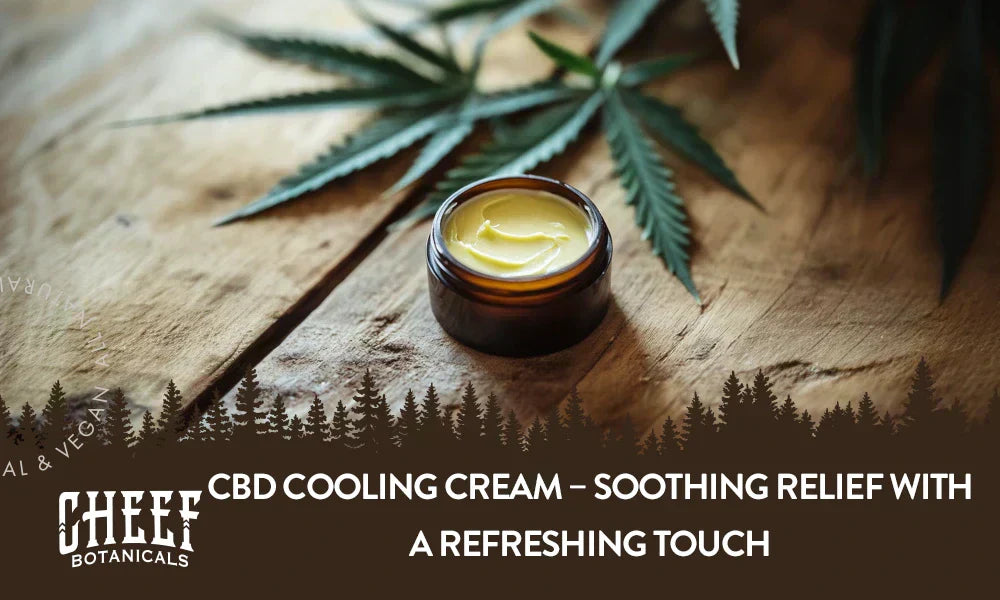
Struggling with muscle soreness after an intense workout? CBD topicals may help. These creams and balms absorb through the skin to relieve muscle aches, ease tension, and support muscle recovery—no over-the-counter drugs needed.
Packed with natural Cannabidiol (CBD) and therapeutic herbs, CBD-infused topicals work fast to ease soreness and help you bounce back.
How CBD Soothes Muscle Soreness and Stiffness
CBD interacts with the body’s endocannabinoid system (ECS), a network that helps regulate pain perception, inflammation, and recovery. When muscles are sore or stiff, inflammation is often at the root. CBD supports balance in the ECS, which may help support inflammatory responses and ease discomfort in the affected areas.
In addition to soothing soreness, CBD can promote muscle relaxation by working with receptors that influence tension and stress in the body. Many users report feeling both physical relief and a sense of calm after using CBD, making it especially helpful after workouts, long days on your feet, or periods of stiffness from inactivity. Whether taken orally as tinctures or gummies or applied topically, CBD provides a plant-powered way to support muscle recovery naturally.
Featured Product: Cheef Botanicals CBD Relief Rub

Cheef Botanicals CBD Relief Rub is a powerful topical designed to ease muscle soreness and body aches right where you need it most. With 500mg, 1000mg, or 2000mg of premium CBD, our salves deliver targeted support for tired, stiff, or overworked areas.
What makes each option especially effective is the blend of soothing botanicals and essential oils. Calendula flowers and frankincense oil may help calm soreness, while peppermint oil delivers a natural cooling sensation to ease tension. Coconut oil, jojoba oil, and olive oil deeply moisturize the skin, ensuring smooth application and nourishment. Meanwhile, vitamin E supports skin recovery, complementing CBD’s wellness benefits.
Whether it’s post-workout muscle strain, daily aches, or lingering stiffness, this rub provides a natural, plant-powered way to restore comfort and mobility—all in a convenient, fast-absorbing formula. Unlike regular creams, this CBD salve sinks deep into muscle fibers and connective tissue, providing long-lasting relief.
It comes in three strengths, so you can choose what works best:
- 500 mg (Regular Strength) – Good for mild muscle aches or first-time users
- 1000 mg (Extra Strength) – A stronger option for frequent soreness or active lifestyles
- 2000 mg (Maximum Strength) – Best for deep, long-lasting relief after tough workouts
Lifestyle Adjustments to Reduce Muscle Soreness
Making a few small changes to your routine can help reduce muscle soreness and speed up muscle recovery. Staying active, stretching, and using the right recovery methods can make all the difference.
Things like gentle stretching, staying hydrated, and foam rolling can keep your muscles feeling fresh. Using heat or cold therapy at the right time can ease muscle pain and lower the risk of injury. Let's go over the best ways to stay pain-free.
Stretching and Mobility Work
Stretching is one of the easiest ways to reduce muscle soreness and keep muscles flexible. It helps improve range of motion, prevents tightness, and keeps connective tissue from stiffening up after an intense workout.
Mobility work, like yoga or bicep curls, also plays a huge role in injury prevention. Moving your body through different positions helps strengthen muscle fibers and prevent muscle damage.
A good rule of thumb? Do gentle stretching before and after physical activity. It boosts blood flow, relaxes tight muscles, and improves overall movement.
The Benefits of Massage and Foam Rolling
Muscle soreness can linger, but massage and foam rolling can help. Both improve blood flow, ease tightness, and support muscle recovery.
- Massage therapy helps relax tight muscle fibers, improve range of motion, and reduce muscle pain. Regular massages can prevent joint pain and stiffness.
- Foam rolling targets deeper connective tissue, helping to relieve muscle pain and break up knots. Rolling after an intense workout can reduce soreness and improve flexibility.
- Trigger point therapy targets tight spots to relieve tension and reduce post-workout muscle soreness.
Adding these techniques to your exercise program can speed up the recovery process and keep muscles from feeling overworked.
Heat vs. Cold Therapy: Which Works Best?
Heat therapy and cold therapy both ease muscle soreness, but they target different issues. Knowing when to use each can make recovery easier.
Cold therapy helps with acute soreness by reducing swelling and numbing pain. Using an ice pack right after an intense workout can prevent muscle damage and ease the onset of muscle soreness.
Heat therapy boosts blood flow and soothes tight muscles. Using a heating pad or soaking in a warm bath can ease soreness and enhance mobility.
Not sure which one to use? Cold therapy is best for fresh soreness, while heat therapy works well for lingering tightness and stiffness. Using both at the right times can help keep muscles feeling their best.
When to Seek Medical Help for Muscle Pain
Most muscle soreness fades with time, but sometimes, it's a sign of something more serious. If muscle pain lasts more than a week, worsens, or limits movement, it might not just be post-workout muscle soreness.
Leaving muscle pain unchecked can turn a minor issue into a bigger problem. If you experience swelling, weakness, or extreme discomfort, a healthcare provider can help. Knowing when to seek help can prevent long-term issues and keep your muscles in good shape.
Signs of Severe Muscle Strain or Injury
Not all muscle pain is normal. If soreness turns into sharp pain or doesn't improve, it may be a damaged muscle or something worse. Look for these signs:
- Severe swelling – Sudden or worsening puffiness in the affected muscle groups
- Sharp, intense pain – A burning or stabbing sensation instead of mild muscle aches
- Limited mobility – Struggling with range of motion or moving the affected area
- Bruising or discoloration – Dark patches on the skin, signaling deeper muscle damage
- Weakness or numbness – Difficulty supporting weight or a tingling sensation
If these symptoms show up, it's best to see a healthcare provider. Ignoring them could lead to long-term muscle recovery issues or even permanent injury.
Final Thoughts on What to Take for Sore Muscles
Feeling sore muscles after an intense workout is completely normal. It means your body is working to build stronger muscles. But that doesn't mean you have to sit in discomfort. The right mix of gentle stretching, hydration, and natural substances can help reduce soreness and speed up muscle recovery.
Adding CBD topicals to your routine can also be a game-changer. Cheef Botanicals offers high-quality hemp-derived products designed to relieve sore muscles and aches naturally. Whether it's post-workout muscle soreness or daily tension, taking care of your muscles makes all the difference. Listen to your body, stay consistent, and recover smarter!

 CBD Gummies - Top Seller
 CBD + THC Gummy - Excellent Choice
 CBD Hemp Flower - Highly Rated
 Full Spectrum CBD Oil - Good Value



Leave a comment
This site is protected by hCaptcha and the hCaptcha Privacy Policy and Terms of Service apply.