

The talk around THC-O vs Delta 8 stirs up big buzz in the cannabis community. Both come from hemp, yet they couldn’t feel more different. THC-O brings an intense, almost psychedelic edge. Delta 8 keeps things smooth and mellow.
Curious minds in the cannabis world keep comparing their effects, origins, and strength. Here’s where the conversation gets real: how two hemp compounds can feel worlds apart.
What Are Hemp-Derived Cannabinoids?

Hemp-derived cannabinoids are natural compounds that come from hemp plants, a variety of the cannabis sativa plant. They interact with cannabinoid receptors in the endocannabinoid system (ECS), influencing mood, comfort, and overall balance.
Compounds like THC-O and Delta 8 THC are both made from hemp-derived extracts. Plants grown for hemp contain very low levels of Delta 9 THC, keeping them federally legal under the 2018 Farm Bill. They’ve become popular for offering psychoactive effects similar to traditional THC but with unique vibes. Many consumers see them as creative alternatives that fit legal guidelines.
What Is THC-O?
THC-O is a synthetic cannabinoid created from hemp. It’s made by taking hemp extracts and modifying them through a chemical process to form THC-O acetate, also known as tetrahydrocannabinol acetate. This gives it a distinct chemical structure that doesn’t occur naturally in hemp or cannabis.
Known for its strong psychoactive properties, THC-O hits harder than regular THC. People describe it as a psychedelic cannabinoid with deep, introspective effects. Its synthetic origin sets it apart from natural cannabinoids, making it one of the most potent options available today.
How THC-O Is Made (Acetate Form of THC)
The process of making THC-O acetate starts with hemp-derived CBD. Through a chemical reaction called isomerization, CBD converts into Delta 8 THC. From there, it’s combined with acetic anhydride, creating THC-O, the acetate form of THC. This conversion process changes its molecular structure, producing a powerful compound.
Because THC-O doesn’t occur naturally, it’s considered a synthetically altered version of THC. Labs carefully control the modification process to make THC-O products safe and consistent.
Potency and Effects of THC-O
THC-O has a reputation for packing serious strength. Many describe its euphoric effects as three times stronger than regular THC and several times more powerful than Delta 8 THC. THC-O’s effects can feel almost spiritual, earning it the nickname “the spiritual cannabinoid.”
This psychoactive cannabinoid hits slow but heavy, often producing visual or meditative sensations. Some say it borders on a psychedelic experience. Because of this, experienced consumers approach taking THC-O with caution and respect.
Why THC-O Is Considered More Intense Than Traditional THC
THC-O stands out because of how it interacts with cannabinoid receptors in the central nervous system. Once metabolized, it converts into a compound that binds more deeply to these receptors than Delta 9 THC. That’s why it can feel two to three times stronger than regular THC and produce deeper cognitive effects. The experience often includes vivid visuals, body heaviness, and strong introspection. These psychedelic effects make it a potent form of THC reserved for seasoned consumers.
What Is Delta 8 THC?
Delta 8 THC is a naturally occurring cannabinoid found in hemp and cannabis. It shares a similar molecular structure with Delta 9 THC, but the effects are much smoother and lighter. This compound connects with receptors in the nervous system, creating mild uplifting effects that many describe as calm and balanced.
Because of its hemp origins, Delta 8 stays legal under federal law. It’s one of the most popular hemp-powered cannabinoids, thanks to its mellow vibe, easygoing buzz, and clear-headed experience.
How Delta 8 Is Formed Naturally in Hemp
Delta 8 develops naturally in hemp through a slow process where THC molecules change over time. It’s a natural compound that forms in small amounts as Delta 9 ages or oxidizes. Because the natural supply is tiny, most Delta 8 products come from converting hemp-extracted CBD through a conversion process that mirrors what happens in nature.
This transformation keeps it compliant under federal law. The process highlights how cannabinoid research continues to expand what’s possible within the industry, creating smoother, legally available THC options.
Delta 8 Potency and Effects
Delta 8 delivers a calm, balanced buzz that’s much gentler than traditional Delta 9 THC. Its psychoactive properties create mild euphoria, light body relaxation, and mental clarity without overwhelming intensity. Many describe it as a perfect middle ground between CBD’s chill and Delta 9's stronger punch.
The mind-altering effects of Delta 8 hit fast and fade smoothly, leaving behind a clear head and relaxed body. For most consumers, it’s the go-to option for easygoing vibes without heavy couch-lock or mental fog.
Why Delta 8 Is Described as “Milder” THC
Delta 8 earns its “milder” label because it’s about half to two-thirds as potent as Delta 9. The difference lies in its chemical makeup, which changes how it binds to receptors in the ECS. That softer connection results in lighter sensations and less intensity overall. Consumers often say Delta 8 delivers a relaxed, upbeat feeling without heavy mind haze. It gives smooth body ease and mental calm, making it a favorite for daytime intake.
THC-O vs Delta 8: Key Differences
Both THC-O and Delta 8 come from hemp cannabinoids, but their effects and chemistry couldn’t be more distinct. Here’s a quick look at how they stack up:
|
Chemical Structure |
Synthetic acetate form of THC created through a chemical process |
Naturally occurring cannabinoid found in hemp plants |
|
Potency |
3–6x stronger with psychedelic effects |
About half to two-thirds as strong as Delta 9 |
|
Onset & Duration |
Slower onset, longer-lasting effects |
Faster onset, shorter duration |
|
Mental vs. Physical Effects |
Deeply introspective and intense |
Calm, clear-headed, and body-focused |
|
Availability & Price |
Limited supply, higher cost |
Widely available and more affordable |
Chemical Structure
The main difference between THC-O and Delta 8 starts with their molecules. THC-O is a synthetic cannabinoid made by adding an acetate group to THC molecules through a chemical reaction using acetic anhydride. This change alters its molecular structure, giving it stronger psychoactive properties.
Delta 8 THC, on the other hand, is a naturally occurring cannabinoid found in hemp and cannabis. Its structure closely resembles Delta 9, but with a small shift in a double bond that makes it smoother and less intense.
Potency Comparison
THC-O is often reported to be three to six times more powerful than Delta 8 THC. Its effects come on slowly but hit hard, with deep mental and physical intensity. Some describe it as a psychedelic cannabinoid because of its heightened and immersive sensations.
Delta 8, meanwhile, sits comfortably on the mellow side. It offers gentle euphoria, mild body comfort, and steady focus without overwhelming the senses. For most people, it delivers balanced, enjoyable effects that don’t cross into heavy territory.
Onset Time and Duration
THC-O usually has a delayed onset that can take up to 30 minutes or more. When it kicks in, the cognitive effects linger for hours, creating a deep, drawn-out experience.
Delta 8, by contrast, acts much faster. Most people feel it within minutes, and the effects taper off after a couple of hours. It’s steady, smooth, and short-lived compared to THC-O’s long, heavy ride.
Mental vs. Physical Effects
THC-O takes the mind on a strong ride. Its effects can feel almost dreamlike: deep thought, vivid sensations, and even spiritual clarity for some. It’s mentally heavy, often leaning toward introspection and heightened perception.
Delta 8 THC, however, stays grounded. Its effects focus more on the body, offering calmness, ease, and light euphoria. Many consumers say it relaxes the muscles while keeping the head clear.
Availability and Price
Delta 8 dominates the industry because it’s easier to make and more accessible. You’ll find it everywhere, from smoke shops to online retailers, thanks to its federally legal status. Its wide production keeps prices reasonable, making it a popular pick for everyday consumers.
THC-O, however, tells a different story. Its synthetic character and complex process limit production, which raises the price. It’s less common on the market. Also, due to changing legal regulations, fewer brands produce it consistently or in large batches.
Safety Comparison
Both THC-O and Delta 8 THC have unique safety profiles shaped by their chemistry and production. Their differences matter when it comes to consumer trust and product testing.
- Why THC-O’s Acetate Form Raises Safety Concerns. The acetate form of THC involves acetic anhydride, a reactive chemical. If handled poorly, it can leave behind harmful byproducts. Because THC-O is synthetically altered, untested batches may pose risks without strict lab oversight.
- Delta 8’s Safety Record and Third-Party Testing. Delta 8 THC has a stronger safety record, backed by consistent third-party lab tests across the industry. Most reputable brands publish results confirming purity and legal compliance.
- Which Option Is Better for Beginners? For new consumers, Delta 8 offers a smoother, gentler entry point with more predictable effects and lower intensity.
Comparing THC-O and Delta 8 for Sleep, Stress, and Mood
Both THC-O and Delta 8 THC interact with the endocannabinoid system in unique ways that influence rest, relaxation, and mood. The experience depends on the compound’s strength and how it connects with receptors.
- Sleep Support. THC-O delivers deep, heavy effects that may help promote natural sleep and calm before bed. Delta 8 may also support sleep, but THC-O is the heavier cannabinoid.
- Relaxation. Delta 8 takes the edge off without the intensity, helping people unwind and settle into a mellow state.
- Mood Lift. Both can support a brighter mindset, but Delta 8’s light buzz makes it more functional for daytime use.
- Daytime Clarity vs. Nighttime Calm. THC-O fits nighttime rituals, while Delta 8 keeps clarity and balance during the day.
How Long Do THC-O and Delta 8 Stay in Your System?
THC-O, being stronger and slower to metabolize, tends to stay longer in the system. Its psychoactive compound breaks down over time, but traces can remain detectable for several days or more, depending on consumption.
Delta 8, with its lighter potency, clears faster. Its shorter half-life means it’s often gone sooner from the bloodstream. Still, both compounds may appear on a drug test, since the body processes them similarly to Delta 9.
Legality – Is THC-O Legal? Is Delta 8 Legal?
The legal landscape for THC-O and Delta 8 continues to shift as the cannabis industry evolves. Both start as hemp cannabinoids, but their classification under cannabis laws depends on how they’re made and interpreted by regulators.
Delta 8 THC remains legal under federal law, as long as it’s sourced from hemp containing less than 0.3% Delta 9 THC. THC-O, however, falls under more scrutiny because it’s a synthetic cannabinoid. That means it doesn’t occur naturally and may be treated as a regulated substance in certain areas.
Farm Bill Overview
The Farm Bill legalized hemp plants containing less than 0.3% Delta 9 THC, opening the door for the hemp industry to expand. This legislation made hemp-sourced products like Delta 8 THC legal under federal law.
However, the bill didn’t predict compounds made through chemical modification. While Delta 8 comes from hemp and stays compliant, THC-O’s synthetic origin puts it in a gray area. The federal law protects natural cannabinoids, but THC-O acetate doesn’t fall neatly into that category.
Recent THC-O Restrictions
As cannabis-related laws tighten, THC-O has faced growing limits across several states. Regulators view it as a synthetic cannabinoid, which puts it closer to a controlled substance. Because of this classification, many regions have banned or restricted THC-O products, citing legal considerations.
In contrast, Delta 8 THC has stayed under the umbrella of hemp cannabinoids protected by federal law. This divide keeps THC-O’s legal status uncertain while Delta 8 remains more widely accepted.
Why Delta 8 Remains More Widely Accepted
Delta 8 THC keeps its footing because it’s made directly from hemp cannabinoids, not created through heavy synthetic alteration. That makes it federally compliant under the Farm Bill, as long as it comes from hemp plants with under 0.3% Delta 9 THC. Many states allow it since it fits the definition of a naturally existing cannabinoid found in hemp or cannabis. On the flip side, THC-O’s legality remains shaky because it’s synthetically altered.
State-by-State Differences
The legal status of THC-O and Delta 8 THC shifts across the map. Some states fully embrace hemp-extracted cannabinoids. Others restrict or ban synthetic versions like THC-O acetate. Areas with tighter cannabis laws often group THC-O under controlled substances, citing its synthetic character and stronger psychoactive effects.
Delta 8, however, remains available in most regions that support hemp-derived products. States that align with the Farm Bill continue to allow sales and distribution. But remember, local regulations can still change without warning.
THC-O Versus Delta 8 Side Effects
Both THC-O and Delta 8 THC share some overlapping side effects, but intensity and duration differ. These experiences come from how each interacts with the ECS.
- Common Side Effects of THC-O. Some consumers report strong mental fog, dizziness, or short bursts of agitation due to its psychedelic effects. Because it’s much more potent, overuse can feel overwhelming or disorienting.
- Common Side Effects of Delta 8. Delta 8 tends to cause mild dry mouth, light fatigue, or brief discomfort at higher doses. Overall, it’s considered smoother and more predictable, especially for those with less experience.
Which Is Safer for Sensitive Users?
For people who prefer a mild experience, Delta 8 THC is generally the safer pick. Its psychoactive effects are light, steady, and easy to manage. Because it’s from hemp and widely tested by third-party labs, consumers can trust the consistency of products sold by reputable brands, like Cheef Botanicals.
THC-O, in contrast, carries more uncertainty. Its synthetic nature and intense strength can feel overwhelming, especially for first-timers. Without strict regulation and testing, some THC-O products may vary in purity or potency, adding to potential risks.
How to Choose Between THC-O and Delta 8
Choosing between THC-O and Delta 8 THC depends on personal comfort, experience level, and desired effects. Both come from hemp, but they deliver entirely different experiences.
- Pick Based on Experience Level. New consumers often start with Delta 8 since it’s gentler and easier to handle. Experienced individuals might prefer THC-O for its deeper, stronger sensations.
- Pick Based on Desired Effects. For mellow vibes and clear focus, go with Delta 8. For something bold and introspective, THC-O brings the intensity.
- Pick Based on Activity (Daytime vs. Nighttime). Delta 8 fits daytime use, while THC-O suits relaxed, evening sessions.
Cheef Botanicals Delta 8 Products
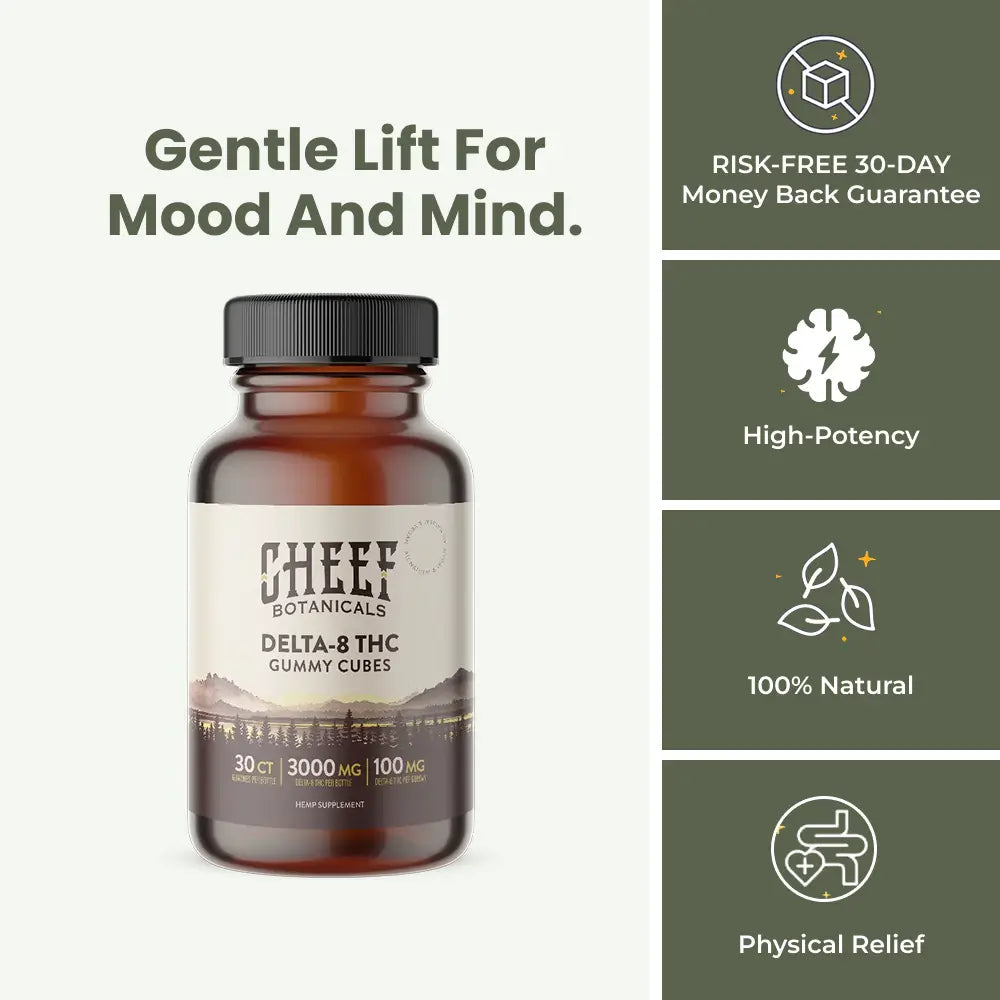
For those who want a smooth, reliable experience, Cheef Botanicals’ Delta 8 products set the standard. Our lineup includes gummies, tinctures, and pre-rolls—all made from USA-grown, Farm Bill-compliant hemp. Each product goes through a safe, clean conversion from CBD to Delta 8 THC, creating consistent results trusted across the industry.
Every batch is third-party tested for purity, potency, and safety, ensuring transparency from start to finish. No artificial colors, no hidden ingredients, only clear labeling and honest results. Explore our full collection here.
FAQs – Delta 8 vs THC-O
THC-O vs Delta 8 keeps raising questions as both grow in popularity across the cannabis industry. People want to know how they compare, how long they last, and what sets them apart. Below are answers to the most common curiosities.
Will THC-O or Delta 8 show up on a drug test?
Yes, both THC-O and Delta 8 THC can show up on a drug test. That's because the body breaks them down into the same metabolites as Delta 9 THC. Most standard tests can’t tell the difference between these THC compounds. That means anyone who consumes THC-O products or Delta 8 risks testing positive. The length of detection depends on metabolism, dose, and frequency of intake, but both can stay in the system for several days or longer.
Which is better for beginners?
For beginners, Delta 8 THC wins the round. Its psychoactive effects are mild, steady, and manageable, perfect for easing into the experience. It offers a gentle lift without overwhelming the senses, letting new consumers explore in a balanced way.
Can you mix THC-O and Delta 8?
Technically, yes, but it’s best left to experienced consumers. Mixing THC-O and Delta 8 THC blends a strong psychoactive substance with a milder one, creating unpredictable effects. The combo can heighten intensity, duration, and overall impact on the nervous system.
Some enjoy the balance—Delta 8 can mellow out THC-O’s heavy mental ride—but moderation matters. Because THC-O is far more potent, even small amounts can shift the experience fast. It’s always smarter to test each one individually before combining.
Which lasts longer for shelf life, THC-O or Delta 8?
THC-O tends to have a longer shelf life than Delta 8, thanks to its acetate form and stable structure. When stored properly, it holds potency longer because it’s less prone to oxidation and degradation over time. This makes THC-O products a bit more resilient on the shelf.
Delta 8, being a naturally occurring compound, can lose strength faster if exposed to air, light, or heat. Keeping it in a cool, dark place helps preserve freshness.

 Tropical Delta 8 THC Gummies - Top Seller
 Delta 8 Gummy Cubes - Excellent Choice
 Sour Delta 8 THC Gummies - Highly Rated
 Mixed Berry Delta 8 THC Gummies - Good Value



Leave a comment
This site is protected by hCaptcha and the hCaptcha Privacy Policy and Terms of Service apply.