

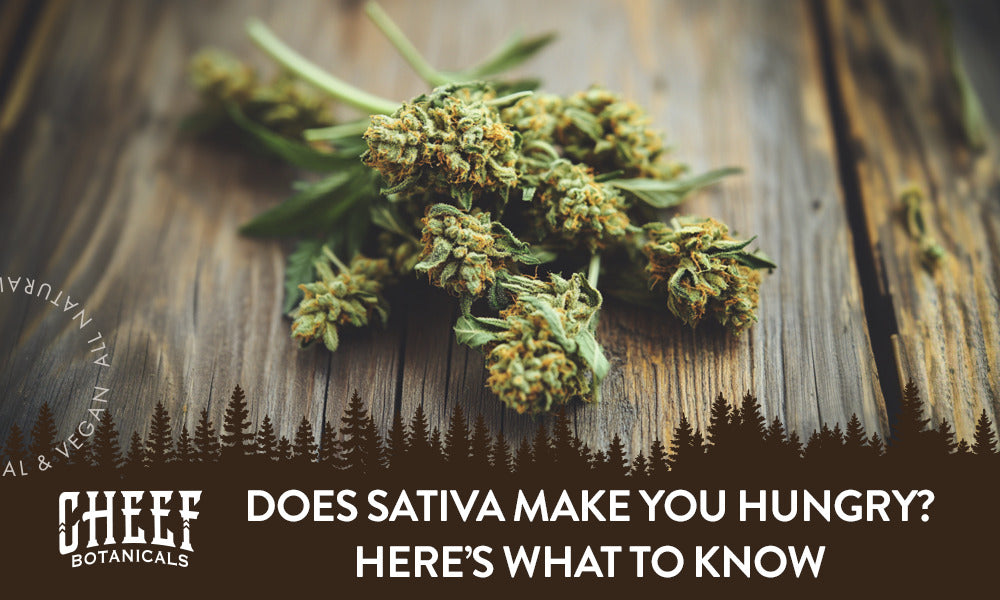
Does Sativa make you hungry, or is that another cannabis rumor that refuses to fade? Many people assume munchies come standard with any strain, but appetite doesn’t follow labels. THC is the real driver, working through brain pathways associated with reward and motivation.
Sativa strains often feel bright and heady, which can push hunger cues into the background at first. Terpenes, timing, and dose all shape how noticeable appetite feels. That's why one person snacks immediately while another forgets food entirely.
Understanding how Sativa interacts with hunger starts with chemistry, not strain names. This breakdown clears the fog so choices feel informed, thought-out, and easier to trust.
What Are Sativa Cannabis Strains?
Sativa strains are types of cannabis known for their alert, upbeat effects. These genetics developed in warm regions like Colombia, Thailand, and Mexico. Long growing seasons shaped tall, slim Sativa plants with narrow, light green leaves.
Flowering usually takes longer than Indica plants, often around 10 to 16 weeks, which shapes how these strains feel once used. The daytime appeal comes from steady energy, clearer thinking, and usable creativity. Across strains, the effect feels light and active rather than heavy or grounding.
Modern cultivation made Sativa genetics widely available without changing core traits. Many cannabis users choose Sativa strains when focus, motivation, and forward movement matter more than deep relaxation.
How Sativa Differs from Indica and Hybrid Strains
The difference between Indica and Sativa strains becomes clear once the effects kick in. With Sativa, energy often leads. You feel more alert, upbeat, and ready to stay active, which suits busy days, creative work, or social plans.
Indica moves the opposite way, leaning into relaxing and calming effects that slow the pace and make rest feel easier. Hybrids sit between the two, pulling traits from both sides based on genetics alone.
You can see the contrast in how they grow. Sativa plants stretch tall with narrow leaves, while Indica plants stay short and dense. Across Sativa and Indica strains, chemistry shapes the outcome more than labels. Intention guides choices better than assumptions.
Typical Effects of Sativa Strains

With Sativa strains, the experience often feels active, bright, and mentally focused. Instead of weighing you down, an upbeat "high" keeps awareness front and center. Effects shift by person and dose, but several patterns appear often:
- A clear-headed, energetic buzz that supports movement
- Stronger focus, creativity, and motivation during tasks or hobbies
- Lifted mood with more open, social energy
- A fresh mental angle that encourages flexible thinking
- Reduced sense of physical discomfort during activity
- Effects that stimulate appetite, depending on timing and amount
That mix explains why many cannabis consumers prefer Sativa strains earlier in the day. Productivity feels easier, momentum lasts longer, and hunger signals tend to appear gradually rather than all at once.
The Science Behind Hunger and Cannabis
You often feel hungry after consuming cannabis because THC interacts with the body’s endocannabinoid system, or ECS. This network guides various physiological processes tied to hunger. That interaction can heighten food awareness and cravings. With Sativa strains, focus and energy usually come first, while hunger shows up later. Dose, timing, and body chemistry shape how strong that appetite feels.
How Cannabinoids Affect Appetite
Appetite changes come down to chemistry. When you consume cannabis, cannabinoids like THC and CBD move through your body's endocannabinoid system.
When THC binds to cannabinoid receptors, especially CB1 sites in the brain, signaling shifts. That change can raise food awareness and trigger a stronger appetite or sudden cravings. Sativa strains contain THC along with other cannabinoids. That means hunger can still show up, even when energy stays high.
That contrast keeps the mind alert while appetite builds more gradually than with Indica strains. Nervous or worried thoughts can dull hunger, and cannabis may quiet those signals. This allows appetite cues to surface more naturally.
CBD and other cannabinoids found in cannabis products may temper THC’s intensity, subtly shaping how hunger feels. Tolerance, timing, and body chemistry decide how strong appetite responses become. No wonder experiences vary so widely between different people today.
The Role of THC in Triggering Hunger
Cannabis-induced hunger, often called the "munchies," begins with THC. After you consume cannabis, THC binds to CB1 receptors in the ECS. This network helps regulate appetite. That interaction can raise levels of ghrelin, often called the hunger hormone, which makes food feel more appealing.
Sativa strains usually contain less THC than many Indicas, yet appetite changes can still occur. Energy and focus may show up first, with hunger following later. Many cannabis users notice a stronger interest in food after use, especially as the dose increases.
That pattern makes THC-rich options appealing for people seeking appetite stimulation. How strong hunger feels depends on the specific strain, personal tolerance, and body chemistry. This is why appetite responses vary so widely from one person to the next.
How May Terpenes Contribute to the "Munchies?"

Terpenes influence how cannabis affects appetite, not just how it smells. When you consume cannabis, these aromatic compounds work alongside cannabinoids. They shape how hunger signals move through the ECS.
Appetite stimulation does not come from THC alone. Terpenes help guide how strong, fast, or noticeable those hunger cues feel. That interaction helps explain why appetite varies between sessions, even with the same strain. Dose, terpene balance, and timing all play a role in how food cravings show up.
Here’s how specific terpenes may contribute to appetite stimulation:
- Myrcene. Found in both Sativa and Indica strains, myrcene supports calming effects and deeper body awareness. That can make hunger signals easier to notice.
- Limonene. Common in Sativa strains, limonene supports mental clarity and energy. It can also gently encourage appetite.
- Beta-Caryophyllene. This terpene interacts directly with cannabinoid receptors, strengthening how THC signals hunger.
- Pinene. Known for its fresh aroma, pinene helps balance other compounds. That balance may prevent appetite from feeling overwhelming.
- Linalool. Often linked to calming effects, linalool can ease nervous tension. This allows hunger cues to surface more naturally.
Terpene profile, dose, and personal chemistry all play a role. Together, they shape how appetite feels during cannabis use.
How Dosage and Consumption Method Change Appetite Effects
How much you consume and how you consume it can shape hunger more than the strain itself. Small amounts of Sativa may sharpen focus and keep appetite quiet, while higher doses can flip the switch and bring hunger into the picture. Timing matters, too. Vaping or smoking cannabis hits fast, so hunger may show up quickly and fade sooner.
Edibles move more slowly and last longer, which can make appetite feel stronger and harder to ignore. Concentrates can also surprise you if the dose creeps up. Managing portion size and delivery method gives you more control over how hunger fits into your experience.
Does Sativa Specifically Make You Hungry?
Sativa strains may cause hunger, but the effect isn’t the same for everyone. THC interacts with the body's ECS and can trigger hunger in some cannabis users. Energy and mental clarity often come first. Indica strains more often push appetite higher during use for many people over time.
Sativa's Effects on Appetite Compared to Indica
Sativa and Indica strains influence appetite in different ways. When using Indica strains, hunger usually feels stronger. The relaxing and calming effects slow the body and pull food cravings forward inside.
Eating can feel more enjoyable and harder to ignore. With Sativa strains, appetite tends to feel lighter or delayed. Uplifting and energetic effects keep you moving, while mental clarity stays in focus. That difference shifts how hunger fits into the experience. Chemistry drives the outcome.
THC levels vary, but terpenes and other cannabinoids also play a role. Each strain balances those compounds differently. That means appetite response shifts by product and person. Understanding this contrast helps you choose deliberately, instead of expecting hunger here today.
Why Sativa Might Trigger Hunger in Some Users
Sativa strains can make some people feel hungry because of how THC affects the brain. When THC binds to CB1 receptors, hunger hormones like ghrelin are released, which can boost appetite. Energy and focus often come first, yet hunger may follow as activity levels rise.
Terpenes also play a role. Limonene and myrcene, found in many Sativa strains, can strengthen how THC feels. These compounds work with other cannabinoids and guide appetite stimulation. Results vary. Consuming Sativa does not guarantee hunger, and timing and dose are still important.
Some strains bring little change, while others increase interest in food. If you are seeking appetite stimulation, certain Sativa strains may help. Response differs by person for many users.
Why Individual Biology Matters More Than Strain Type

Personal biology guides appetite more than strain names. Two people can use the same Sativa strain and have very different appetite responses. Metabolism, tolerance, and ECS sensitivity guide how hunger signals appear.
Early cannabis use often brings stronger appetite changes, while higher tolerance can make them milder or easy to miss. Daily habits still play a role. Activity level, sleep patterns, and nervous or upset feelings all influence how the body reacts. Because of this, strain labels only tell part of the story.
Paying attention to personal patterns builds better control than chasing names alone. Tracking timing, dose, and effects makes appetite easier to predict.
When to Use Sativa for Appetite Stimulation
Sativa strains may encourage appetite stimulation while keeping energy levels steady. Timing plays a clear role when appetite feels low. Used earlier in the day, Sativa strains can allow hunger show up without slowing movement or focus. That balance makes eating manageable and keeps you active and engaged.
Ideal Scenarios for Using Sativa to Boost Appetite
Sativa strains fit moments when staying active feels important, and appetite support helps. During busy days, consuming Sativa strains can keep energy steady while letting hunger show up naturally. Social plans and creative work often pair well, since mood stays light and food feels more appealing.
Many cannabis enthusiasts choose Sativa strains for gentle hunger stimulation without heavy relaxation. That balance keeps movement easy and conversations flowing. Eating feels enjoyable without feeling slowed down today.
Combining Sativa with Meals or Snacks
Using Sativa strains around meals can make eating feel more relaxed and controlled. Light energy and steady focus often lift mood, which can make food taste better. Some people prefer consuming Sativa strains shortly before eating to help their appetite show up naturally.
This approach works for small meals or larger ones, adding enjoyment without heavy slowdown. Hunger feels present, not overwhelming. The experience remains active rather than sluggish throughout the meal.
Sativa and Appetite in Medical vs Recreational Use
Context changes everything. Recreational use often centers on mood, energy, or creativity, with appetite as a side effect that may or may not show up.
Medical use is different. Some people purposefully choose Sativa strains to support appetite while staying mentally alert and functional. This can count during the day, when heavy relaxation isn’t ideal.
In these cases, lighter hunger paired with energy can feel more manageable than the deep cravings often linked to heavier strains. Understanding why you’re using Sativa helps you predict how appetite fits into the experience instead of catching you off guard.
Cheef Botanicals Premium Sativa Options
Cheef Botanicals offers premium Sativa products designed to provide uplifting, energizing effects. You get smooth vapes and flavorful flower options that highlight what Sativa strains typically do best. Each product centers on consistency, clean flavor, and reliable quality. That keeps the experience clear, balanced, and easy to enjoy.
Sativa Vapes
Cheef Botanicals Sativa vapes deliver fast, bright effects that hit clean and smooth. Durban Poison offers clean energy with a sweet, earthy taste, while Blue Dream brings smooth uplift with berry and citrus notes.
Both come in THCa Vape Carts made with THCa, Delta-8 THC, and natural terpenes. Each cart works with standard 510-threaded batteries. This allows quick activation, steady flavor, and a simple way to enjoy Sativa without extra steps.
Sativa Flower
Our THCa Sativa Flower collection offers a variety of strains like THCa Pineapple, which provides a bright, tropical profile with balanced effects that are easy to enjoy. As a Sativa-dominant hybrid, this flower blends sweet pineapple flavor with light citrus and mild spice. Compared with different cannabis plants, the experience feels uplifting without going heavy.
Grinding and packing work well in a bowl, joint, or vaporizer, depending on preference. Flavor stays clear, aroma feels fresh, and the session keeps energy steady while remaining smooth from start to finish for most people.
Are There Sativa Strains That Don't Make You Hungry?
Some Sativa strains are less likely to increase hunger. Lower THC levels and certain terpene profiles can keep appetite mild or unchanged. Paying attention to these factors helps you choose options that fit your goals. That applies whether appetite support helps or staying light and focused feels more important.
Low-THC Sativa Strains and Appetite
Lower THC levels usually lead to lighter appetite changes. With Sativa strains that contain less THC, hunger often stays quieter. That happens because THC interacts with cannabinoid receptors that can trigger appetite.
Reducing that interaction lowers the chance of strong food cravings. Low-THC cannabis edibles offer uplifting and energizing effects without pushing hunger forward. Focus and creative momentum stay intact, making these options useful during busy days.
Products that balance THC with CBD may further limit appetite stimulation while keeping effects clear and steady. This approach suits people who want energy and clarity without feeling pulled toward snacks throughout the day.
Terpene Profiles That May Reduce Hunger Effects
Terpenes give cannabis its smell and flavor, and they can also affect appetite. Certain terpenes, like humulene and pinene, are linked to the ability to suppress appetite.
When these appear in high CBD strains, they can soften how THC feels, making you less likely to feel hungry. Humulene shows up in some Sativa strains and is often tied to lighter hunger cues. Choosing these profiles lets you enjoy uplifting effects while keeping your appetite more controlled and balanced.
Tips for Managing Appetite When Using Sativa
Managing appetite while using Sativa starts with simple choices. Hunger can feel stronger than expected, yet small adjustments help keep it in check without losing energy or focus. Hydration comes first.
Drinking water during cannabis use helps separate thirst from hunger. Dry mouth can easily feel like cravings. A steady intake of fluids can reduce unnecessary snacking while using Sativa strains.
Product selection plays a role. Options with lower THC levels often bring lighter appetite changes. Choosing edibles or flowers that balance THC with CBD can limit appetite stimulation. This balance also keeps effects clear and active. Timing helps as well. Using Sativa earlier in the day often pairs better with meals and movement, making hunger easier to manage.
Attention to portion size adds control. Smaller amounts support energy and focus without pushing cravings forward. These habits keep appetite predictable. This allows Sativa to fit smoothly into daily routines without taking over.
How Sativa Can Change the Way Food Tastes and Feels
Sativa doesn’t always make you hungrier, but it can change how eating feels when you do eat. Many people notice sharper flavors, brighter aromas, and more awareness of texture. That mental clarity Sativa is known for can carry over into meals. This makes food feel more engaging without triggering heavy cravings.
Instead of mindless snacking, you may feel more selective about what sounds good and when. This is why some users prefer Sativa before lighter meals or social dining. The experience becomes about enjoyment and awareness, not volume—less autopilot, more intention at the table.
Final Thoughts - Does Sativa Make You Hungry?
Sativa strains may cause hunger, but the effect isn’t the same for everyone. Appetite response depends on the strain, dose, and how your body reacts. For many people, the main appeal is the uplifting feeling from using cannabis, not the hunger that can come with it. Still, THC in Sativa strains can lead to appetite stimulation in some cases.
If appetite support is the goal, some Sativa strains can increase interest in food without causing heavy relaxation. When avoiding hunger counts more, low-THC options or strains with certain terpene profiles often work better.
Choices vary across formats too, including Sativa vapes, edibles, and flower. Paying attention to timing, portion size, and product type helps keep cannabis consumption aligned with your needs. Hunger varies by person, so balance comes from learning what works for you.



Leave a comment
This site is protected by hCaptcha and the hCaptcha Privacy Policy and Terms of Service apply.