


Did you know ancient South African hunters chewed kanna before long hunts and social gatherings for energy and mood enhancement? These days, many people look at kanna for anxiety and stress as a natural way to feel more at ease.
This succulent plant may lift your mood, ease tension, and help social settings feel less intimidating or intense. It works more like a gentle companion for balance rather than a quick fix. In this guide, you’ll learn its uses and potential benefits.
What Is Kanna (Sceletium Tortuosum)?

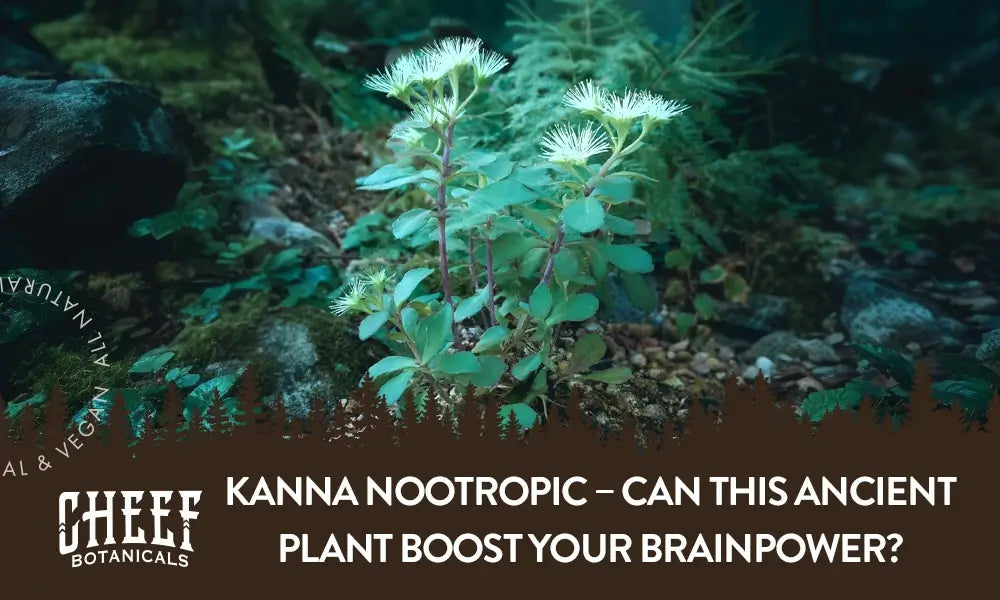
Kanna, part of the genus Sceletium and known as Sceletium tortuosum, is a hardy succulent native to South Africa. This traditional herbal medicine contains principal alkaloids that may support mood and ease worried thoughts. For centuries, people used it by chewing dried leaves or brewing teas to promote balance and social ease.
Today, kanna is available as powders, capsules, extracts, and gummies. Many people include it in their wellness routines as a natural choice. If you’re exploring kanna dosage for anxiety, begin with a small amount to notice how it feels before finding the level that works best for you.
How Does Kanna Work in the Body?
Kanna works by interacting with parts of your nervous system that influence mood and stress. The plant’s active compounds – sceletium alkaloids – can connect with serotonin receptors in the human brain.
This interaction may support relaxation, promote social comfort, and even play a role in cognitive function, helping you feel balanced without sedation. Clinical studies continue to explore these positive effects, though kanna has not been established as a treatment for clinical anxiety.
Interaction With Serotonin Receptors
Kanna contains psychoactive constituents known as mesembrine alkaloids. These compounds interact with serotonin receptors in the human brain, including pathways tied to the human amygdala.
By slowing the reuptake of serotonin, kanna may help lift mood and ease negative thoughts. This process supports a calm mental state while keeping you alert.
Clinical studies, including randomized double blind and placebo-controlled trials, highlight the biological and pharmaceutical properties of kanna’s active compounds, suggesting they encourage balance.
In one trial, a single 25 mg dose of a standardized Sceletium tortuosum extract ameliorates experimentally induced anxiety in healthy volunteers. It lowered both subjective anxiety and stress markers, supporting its possible role in social comfort and relaxation.
The Gut-Brain Connection and Stress Response
Your gut and brain stay linked through nerves, hormones, and microbes. This system is called the gut-brain axis. When you feel nervous, your stomach may tighten or feel upset.
Stress can change digestion, while poor gut health may affect mood and increase worried thoughts. Keeping the gut balanced may support emotional stability. Some studies explore how natural plants like kanna fit into this complex connection for overall well-being.
How Kanna Relates to Anxiety and Stress Relief
Kanna, often described in its homeland as a traditional South African medicine, may encourage relaxation without making you feel drowsy. Many consumers, particularly healthy adults, say it helps ease nervous energy. It may also ease psychological stress and enhance mood.
Some research suggests it could lower cortisol and other stress markers. It also appears to promote emotional connection in social settings. These combined effects make kanna a natural option for balance.
Promotes Relaxation Without Sedation
Kanna works in a way that may calm the mind without slowing your body down. The active compounds influence serotonin pathways, which may help settle worried thoughts and ease agitation.
Many consumers describe the experience as steady, clear, and balanced. This makes kanna appealing for daytime use when you want calm focus.
Supports Social Ease and Emotional Connection
Kanna has long been linked with social comfort. The plant’s alkaloids, especially tortuosum alkaloids, may influence serotonin activity, helping you feel more open and less tense in groups. Many consumers describe a shift toward easier conversation and stronger emotional bonds.
Unlike substances that dull awareness, kanna keeps you clear while calming nervous energy. This balance makes it appealing for social events where clear communication and visual tracking of social cues matter.
May Help Reduce Cortisol and Stress Markers
Research suggests kanna may influence the body’s stress response. Some studies show that its alkaloids interact with systems tied to cortisol, a hormone released during tension.
By moderating these signals, kanna may support a calmer baseline and ease agitation. People often report feeling less wound up after use. Since stress is a known factor in chronic disease progression, this potential to affect stress markers makes kanna attractive for those seeking natural balance and steady emotional support.
Comparing Kanna to Other Calming Botanicals
Kanna shares space with many calming plants, but it carries its own unique traits. Like other botanicals and even some herbal sexual enhancers, it may help ease nervous thoughts and promote relaxation.
What makes kanna stand out is its balance of mood support and alertness. Knowing how it compares to options like CBD or adaptogens can guide smarter choices.
Kanna vs CBD
Kanna and CBD both come from plants, but their effects feel different. CBD is well known for soothing the body and bringing a calm sense of relief. Kanna, on the other hand, targets mood through its unique alkaloids.
Many consumers choose CBD for physical ease. Kanna is often preferred for social comfort or sharper focus. This is particularly true for those made with a proprietary extract Sceletium tortuosum for steady potency. Both can fit into wellness routines, but the best choice depends on your needs.
Kanna vs Ashwagandha or Adaptogens
Ashwagandha and other adaptogens focus on balancing long-term stress and supporting energy levels. They are often used daily to build resilience over time. Kanna works differently, offering quicker mood support through its alkaloids.
Many consumers reach for kanna when they want social ease or emotional lift. Meanwhile, adaptogens suit those seeking steady, ongoing balance. Choosing between them depends on whether you want immediate effects or gradual support.
Kanna Dosage for Anxiety – Suggested Guidelines
Finding the right kanna dosage for anxiety depends on timing and personal needs. Smaller amounts may suit daytime focus, while moderate amounts may support nighttime relaxation.
Other factors, like weight and product type, also play a role. Knowing these basics helps you enjoy kanna with more comfort and control. Always start low and adjust carefully.
Low Doses for Daytime (May Support Calm and Cognitive Function)
During the day, kanna works best in low doses of about 25 mg to 50 mg of extract. This range may support calm focus without heavy effects. Taking more than this can sometimes bring drowsiness or mild digestive upset, especially if you are new to kanna.
Staying within the lower range helps you stay alert, social, and balanced. Many consumers prefer this level for daytime use for work, study, or social activities.
Moderate Doses for Downtime or Nighttime (May Promote Relaxation or Rest)
At night, moderate doses of kanna, usually between 50 mg and 200 mg of standardized extract, may work best. This range can promote deeper relaxation and support rest. Taking more than recommended may cause drowsiness or stomach upset, so careful dosing matters.
Many people use nighttime servings to release tension from the day. It helps set the tone for calm evenings and smoother sleep routines.
Factors That Affect Dosage
Beyond the time of day, several factors influence how much kanna you should take. These details help you find the right balance:
- Tolerance: If you’re new, start with smaller servings. Over time, you may notice changes in effect.
- Weight: Body size can shape how kanna feels, with larger frames sometimes needing more.
- Product Form: Capsules, extracts, and edibles all vary in strength, so adjust carefully.
Common Available Forms of Kanna
Kanna has moved far beyond its traditional medicine roots. As a South African medicinal herb, people once chewed fresh leaf juice or brewed teas from dried plant material. Today, consumers can choose from a variety of forms that fit modern lifestyles.
- Traditional Chewing or Teas: Simple methods still used for grounding effects.
- Kanna Extracts, Powders, and Capsules: Popular for accurate servings and easy use.
- Convenient Edibles Like Gummies and Chocolates: Tasty, discreet, and perfect for on-the-go.
Cheef Botanicals now offers many of these options, making kanna more accessible than ever.
Potential Side Effects of Kanna Use
Kanna is usually well-tolerated, but it may bring mild side effects or adverse reactions for some consumers. Being aware of these effects helps you enjoy a smoother experience.
Occasional drowsiness, digestive upset, or interactions with other products may occur. Understanding these possibilities before use helps you make informed choices. It also lets you approach kanna with greater comfort and confidence.
Mild Digestive Upset or Drowsiness
Some consumers notice mild digestive upset after taking kanna. This may feel like stomach troubles or queasiness and usually passes quickly. Drowsiness can also occur, especially if the serving is higher than suggested.
These effects are typically minor and fade as your body adjusts. Staying within recommended ranges helps reduce discomfort. Pay attention to how your body responds to find your best serving.
Possible Interactions With Medications
Kanna may interact with certain mood boosters or other medications. Its alkaloids affect serotonin pathways, which is similar to how some antidepressants work. Taking both together could intensify effects and lead to unwanted reactions.
This is why people using prescription drugs should approach kanna with caution. Always consider professional advice before mixing kanna with any medication to avoid negative outcomes.
Who Should Avoid Kanna Use?
Kanna is not the right choice for everyone. If you take SSRIs or other mood medications, combining them with kanna may cause unwanted effects due to serotonin overlap. Pregnant or nursing women should also avoid kanna since its impact during these stages has not been studied enough.
People with health concerns should be cautious. They may experience acute effects from higher servings or combining kanna with other products.
That's why it's important to note that kanna is not the right choice for everyone. Choosing to skip kanna in these cases helps protect safety. Responsible use means knowing when this plant is not a good fit.
Why Choose Cheef Botanicals for Kanna Products

When you shop for kanna, you want quality, clean ingredients, and products you can trust. Cheef Botanicals checks all the boxes with organic kanna, third-party lab testing, and careful sourcing.
Every product is crafted with all-natural, vegan, and non-GMO ingredients. Some blends even feature guarana and caffeine for a gentle boost, giving you flavor and function in one.
Here are a few popular choices:
- [Mixed Berry Kanna Gummies] – Fruity and sweet, perfect for daily use.
- [Mixed Citrus Kanna Gummies] – Bright flavors with a tangy twist in each bite.
- [Kanna Mylk Chocolate Gems] – Smooth chocolate treats with kanna infusion for tasty convenience.
Cheef Botanicals makes it easy to enjoy kanna in forms that match your lifestyle.
FAQs – Kanna and Anxiety
How Quickly Does Kanna Work to Promote Calmness and Relaxation?
Kanna may act within 30 to 60 minutes. Effects vary by product form, dosage, and your body’s response. Start small to notice results.
Can You Take Kanna Every Day for Stress?
Yes, many consumers use kanna daily in small servings. Listen to your body, track your response, and adjust carefully to maintain balance and comfort.
Is Kanna Addictive or Habit-Forming?
Kanna is not considered addictive. Most consumers report occasional use without cravings. Responsible use, mindful dosing, and breaks between servings help maintain healthy habits.
Can You Mix Kanna With CBD for Increased Effects?
Yes, many people mix kanna with CBD. Each plant works differently, offering mood and body support. Always start with lower servings when combining them.
Disclaimer: Kanna is not a cure or treatment for anxiety. It’s a natural plant that may help you relax, lift your mood, ease stress, and support overall well-being.
Final Thoughts – Can Kanna Help Ease Anxiety Naturally?
Kanna stands out as a natural plant that may support mood, ease tension, and help you feel more at ease in social settings. It offers a balance between calm and clarity, making it useful for both daytime and nighttime routines.
If you’re ready to try kanna, Cheef Botanicals provides trusted options like gummies and chocolates. These products deliver clean, lab-tested quality with flavors and forms designed to fit into your wellness lifestyle.




Leave a comment
This site is protected by hCaptcha and the hCaptcha Privacy Policy and Terms of Service apply.