
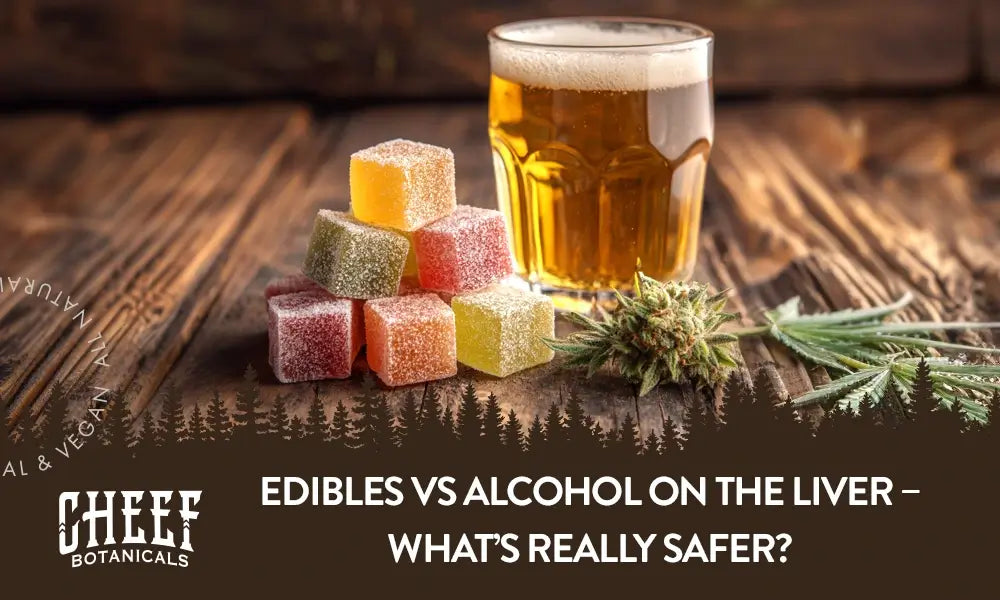
Alcohol stays at the center of many social scenes, but the liver often pays the price. Edibles step into the conversation with a different vibe and a different path through the body. This contrast gives people plenty to think about as they compare the effects of edibles vs alcohol on liver health.
We all search for options that match our lifestyle and protect our long-term comfort. Clear information guides smarter choices and helps us understand how these two substances can influence the liver without guessing or stressing. Let's unpack this topic further.
Why Compare Edibles and Alcohol?

Alcohol brings well-known effects that can pressure the liver as it passes through the body. Edibles also filter through the liver before reaching the bloodstream, and so people naturally wonder, "Are edibles as bad for your liver as alcohol?" The answer depends on a few factors, including lifestyle and overall health. Reliable knowledge helps people understand how both substances act inside the body and how the liver responds. This conversation pushes consumers to look closer and avoid assuming.
How the Liver Processes Alcohol
The liver plays a major role in clearing toxins, so alcohol intake brings extra work right away. The body converts the substance into new compounds, and those compounds can build up stress that affects long-term liver health. People with a family history of liver issues should pay closer attention because the impact can grow over time.
Heavy and frequent drinking brings higher risks because the liver, as alcohol breaks down, creates byproducts that strain the system. Moderate drinking still requires caution. Diet, medications, and other substances can add more stress and reduce how smoothly the liver functions.
Alcohol Metabolism Explained
Alcohol enters the liver fast, and enzymes jump into action immediately. These enzymes turn alcohol into acetaldehyde, a compound that creates strong liver stress. Acetaldehyde moves through the organ's cells and can irritate tissue, potentially leading to soreness or swelling over time. The process keeps going until the system clears the compound, and the cycle repeats with every drink.
The push on liver metabolism grows when a person consumes alcohol often. High levels of acetaldehyde bring more strain and raise the chance of liver damage or fatty liver disease. Regular drinkers face increased risk, as the breakdown process is well-documented and tied to chronic liver disease in many studies.
How Alcohol Can Damage Liver Cells
The breakdown of alcohol can create swelling or redness inside liver tissue. Those reactions build stress over time. Fatty liver disease can develop when liver cells fill with excess fat. This stage often appears early in people with heavy drinking patterns.
The shift in liver health grows more serious as the system struggles to clear toxins. Liver damage develops when the irritation continues without breaks. Chronic liver disease can appear after long stretches of substance use, and the risk rises for people with pre-existing liver conditions. Continued exposure raises the chance of cirrhosis and other liver diseases.
How the Liver Processes Cannabis Edibles
Edibles move through the digestive system first, and the liver handles much of the action afterward. THC goes through liver metabolism before it reaches the bloodstream, which gives edibles a slower start. People who take edibles often describe a stronger experience because of how the liver transforms the compound.
Consuming edibles shifts the way cannabis compounds like THC and CBD interact with liver cells. The breakdown creates 11-hydroxy-THC, a form that can feel more intense for both regular and long-term users. This route differs from smoking cannabis, which skips the digestive tract. For people with pre-existing liver conditions or those taking medications, it's always best to exercise caution.
First-Pass Metabolism of THC
THC from edibles travels through the digestive system before it reaches the liver. The liver turns THC into 11-hydroxy-THC, a compound known for stronger effects. The shift gives edibles a slower start, but the impact often lasts longer once it settles in.
High servings bring a more noticeable effect because the system transforms more THC during first-pass metabolism. Regular users often notice how edibles bring mind-altering sensations after the delay. People who want a smoother experience often start with a low dose to avoid unwanted effects while still enjoying recreational cannabis.
Does THC Stress the Liver Like Alcohol?
THC from edibles does not create acetaldehyde or other toxic alcohol byproducts. Because of this, the pressure on the liver looks very different. Alcohol brings well-known strain through its breakdown, but THC follows another route. The liver still works to process cannabinoids, yet the process does not produce the same harmful compounds tied to alcohol use.
Research on cannabis edibles shows no direct toxic reaction linked to liver damage in the vast majority of people. Several factors still matter, including high doses, medications, and other substances. People with pre-existing liver conditions should remember to take tolerance breaks or adjust consumption.
Alcohol vs Edibles on Liver Health – Key Differences
The effects of alcohol link closely to fatty liver disease, cirrhosis, and other liver conditions seen in long-term drinkers. The process places the liver in a tough spot as alcohol passes through again and again. This pattern explains why alcohol remains tied to chronic liver disease and liver failure in many reports.
Cannabis edibles follow a different path and do not create toxic alcohol byproducts. The liver still works to process THC, CBD, and other cannabinoids, but the reaction does not mirror the same level of liver stress.
Are Edibles Safer for the Liver Than Alcohol?
Research shows that alcohol brings clear and well-documented strain on liver cells. Meanwhile, edibles do not create the same toxic byproducts. Edibles move through the digestive system and convert THC differently, creating a separate pattern of effects. This comparison remains active because people want to maintain their healthy livers.
Studies on cannabis edibles continue to grow, but overall, current findings show no direct toxic reaction in the vast majority of people. Researchers still watch how high doses, heavy cannabis use, and other substances may influence liver conditions. It pays to stay updated on these topics if you're a cannabis fan.
Do High-Dose Edibles Affect the Liver?
High-dose edibles draw more attention because the liver handles a larger amount of THC during digestion. People who take edibles in large amounts, whether it's recreational or medical cannabis, often notice stronger effects because the breakdown creates more 11-hydroxy-THC.
The process depends on a few factors, including weight, eating habits, and frequency of intake. A steady routine may change how the liver responds over time.
- THC Metabolism & Enzyme Use. Heavy or frequent edible intake can influence CYP liver enzymes since THC processing relies on those pathways. Some people take many medications that share the same enzymes, and mixing both can raise the chance of unwanted effects. This is why people often adjust intake or take tolerance breaks when their routine changes.
- High CBD Edibles and the Liver. Studies on extremely high CBD doses show a stronger reaction in clinical testing. However, those amounts exceed what regular consumers usually take. Normal servings in most edible products sit far below those levels. People who enjoy a balanced diet rich in leafy greens and liver-friendly foods, build healthy habits, and consume responsibly rarely reach the ranges used in research settings.
Effects Beyond the Liver
Cannabis edibles and alcohol both reach beyond liver health. Each substance creates its own pattern inside the body. The contrast often shows up in mental changes, physical reactions, and the habits people build over time.
- Mental Effects. Alcohol acts as a depressant and often brings impaired judgment as its levels rise. Edibles create psychoactive effects, too. But the altered perception feels different because THC is less intoxicating, while CBD is non-intoxicating.
- Physical Effects. Alcohol can cause dehydration and swelling, while edibles move through digestion and take longer to appear. The effects of edibles tend to last longer because of 11-hydroxy-THC.
- Long-Term Use: Alcohol vs Edibles. Alcohol carries a cumulative toll that links to liver diseases and heart disease. Cannabis edibles bring different considerations tied to lifestyle habits and other substances, rather than direct chemical damage. People who manage intake, eat well, and maintain regular physical activity face fewer long-term concerns.
Which Is Better for Relaxation?
Alcohol and edibles offer different routes for unwinding. Each one brings its own rhythm, timing, and overall effect. The contrast shapes personal preference more than anything else.
- Alcohol for Unwinding. Alcohol creates a fast change in mood with a short window of effects. The quick impact can lead to repeated servings, and heavy drinking raises the chance of harm. People who consume alcohol often notice how the feeling fades quickly.
- Edibles for Relaxation. Edibles have a slower onset but deliver longer-lasting comfort once they settle in. The experience depends on THC metabolism and how the body processes edible cannabis. Many people pick edibles when they want a steady effect without the strain tied to alcohol.
Cheef Botanicals Edibles – A Clean Alternative

People who want a smoother option often look toward hemp-based choices. The good news? Cheef Botanicals offers a wide range of picks. Our lineup includes THC edibles from our Delta 9 collection and CBD edibles from our CBD collection.
These products use natural, hemp-derived cannabinoids that support comfort without adding harsh liver byproducts. Every batch goes through third-party testing with viewable certificates of analysis (COAs), so people know exactly what they’re getting.
We use 100% natural ingredients, non-GMO formulas, and vegan-friendly recipes with no artificial flavors or preservatives. People appreciate having a cleaner option that fits into a balanced diet. Our range includes gummies, oils, capsules, and other cannabis-infused picks that fit different preferences.
Tips for Using Edibles Responsibly
A few simple habits can make the experience smoother. Responsible intake supports overall health and keeps liver stress low. These habits help people avoid unwanted side effects while staying in control of the experience.
- Start Low, Go Slow. Beginning with a low dose helps people gauge how their body reacts. This is especially important since THC metabolism varies from person to person. A slow increase keeps the experience comfortable.
- Avoid Mixing With Alcohol. Combining both alcohol and edible cannabis raises the chance of stronger altered perception and can challenge the body. Keeping them separate supports a safer routine.
- Know Your Tolerance & Body Weight. Several factors shape how edible cannabis feels, and physical differences matter. People who understand their limits tend to enjoy a smoother time.
- Stay Hydrated and Eat Lightly Beforehand. Staying hydrated and eating a light meal filled with nutrients supports digestion and helps the effects arrive more predictably.
Who Should Avoid Edibles or Alcohol?
Some people face higher risks with alcohol or edible cannabis because the liver already handles extra pressure. Individuals with liver disease may struggle to process toxins, and added strain from substances can create more irritation. People with hepatitis, cirrhosis, or reduced liver function often need to adjust their choices carefully. A healthcare provider can guide them based on their specific needs.
Certain medications also change how the liver responds to both alcohol and cannabis. Many medications share enzyme pathways with THC, CBD, and alcohol, potentially leading to unwanted side effects. People who feel sensitive to psychoactive substances may want to limit intake to avoid agitation or negative thoughts. Families with a strong history of liver conditions should pay closer attention because increased risk can show up sooner.



Leave a comment
This site is protected by hCaptcha and the hCaptcha Privacy Policy and Terms of Service apply.