

When considering badder vs rosin, it’s all about choosing the right concentrate for your needs or preference. Both are popular with cannabis connoisseurs because of their high potency and rich terpene content. But what makes them different?
Whether you use a dab rig or a dab pen, knowing how they’re made and what they offer can help you decide. Let's go over more about these cannabis concentrates, their pros and cons, and how to pick the one that’s right for you.
What Is Badder?
Badder is a type of cannabis concentrate that stands out for its creamy, smooth texture, often compared to cake batter. It’s a versatile concentrate with a malleable consistency, making it easy to handle with a dab tool or use in a dab rig. This concentrate is highly popular among cannabis connoisseurs because it delivers high potency and an intense flavor profile.
Its rich terpene content gives it a bold taste, perfect for those who want a flavorful and powerful experience. Badder comes in different colors, from tan to off-white, depending on the starting material and the specific extraction process used.
How Badder Is Made
Making badder involves a solvent-based extraction process that uses chemicals like butane or propane to pull cannabinoids and terpenes from the cannabis plant. The extracted material is then whipped and agitated to create its signature smooth texture. The process often includes post-processing steps, such as purging in a vacuum oven, to remove residual solvents for a cleaner final product.
Some producers use live resin from flash-frozen cannabis flower as the starting material, which enhances the terpene content and overall flavor. When made from this material the final product is "live badder." The result is a concentrate with a buttery consistency and added flavor, perfect for dabbing or vaping.
Texture and Appearance of Badder
Badder has a smooth, creamy texture that’s soft, like cake batter. It’s easy to handle with a dab tool or spread onto parchment paper without making a mess. The look can change a bit depending on the plant material and the extraction process, but it’s usually buttery and glossy. Its bright color and smooth feel make it a favorite for cannabis connoisseurs who love high-quality cannabis concentrates.
Common Uses of Badder
Badder is a favorite among cannabis connoisseurs because of its versatile concentrate properties and ease of use. Whether you’re dabbing or vaping, it offers a unique experience. Here are some common ways people enjoy badder:
- Dabbing with a Dab Rig. Badder’s smooth texture makes it easy to scoop and place on a dab rig. The high potency and rich terpene content provide intense flavor and effects, making it a top choice for dabbing fans.
- Using a Dab Pen. Badder works well with dab pens, offering a portable and discreet option for enjoying cannabis concentrates. Its soft consistency is perfect for quick loading, providing a hassle-free experience.
- Boosting the Flavor of Joints. You can add a small amount of badder to a joint or blunt to enhance the flavor profile and added potency. It’s an easy way to elevate your smoking experience without much effort.
- Customizing Edibles. After some post-processing, a badder can be used to infuse edibles. This option works well for those who want to experiment with cooking while enjoying the highly potent effects of badder.
What Is Rosin?
Rosin is a natural cannabis extract made without using chemicals. It’s created by pressing plant material like cured cannabis flower, dry sift, or bubble hash with heat and pressure. This process keeps the terpene content and cannabinoids intact, giving it a strong flavor profile and high potency.
Since it doesn’t use solvents, rosin is clean and free of residual solvents, which makes it a top choice for people who want a pure product. It’s simple, natural, and loved by both beginners and cannabis connoisseurs.
How Rosin Is Made
To create rosin, a rosin press applies heat and pressure to extract resin from plant material. This process melts the trichome heads and releases the cannabinoids and terpenes from the cannabis flower or bubble hash. For small batches, some people use a hair straightener and parchment paper as a DIY method.
Professionals use low temperatures to protect the terpene content and keep the flavor strong. Depending on the starting material, rosin can have different consistencies, from sticky to semi-solid. The result is a clean, natural concentrate with no residual solvents and plenty of added flavor.
What Is Live Rosin and How Is It Made?
Live rosin is a type of rosin made from flash-frozen cannabis flower instead of dried and cured material. By preserving the plant’s fresh terpenes, this technique enhances the flavor profile and boosts the potency.
It’s considered one of the highest-quality solventless products, loved by cannabis consumers for its clean and flavorful experience. Here’s how live rosin is made:
- Flash-Freeze the Cannabis Flower. The process starts by freezing freshly harvested cannabis flower immediately after harvest. This step locks in the plant’s natural terpenes and cannabinoids.
- Make Ice Water Hash. The frozen material is washed in cold water and filtered through bubble bags, separating the trichome heads. This creates ice hash, which serves as the base for live rosin.
- Press the Hash. Using a rosin press, heat and pressure are applied to the ice hash, squeezing out the resin. This step keeps the terpene content intact while creating a clean final product.
Texture and Appearance of Rosin
Rosin has a versatile look and feel, often changing based on the starting material and extraction process. It can range from a sticky, sap-like consistency to a firmer, more stable form. Its natural color, usually light yellow to amber, reflects its purity and overall quality. Thanks to its malleable consistency, it’s easy to handle and works well with tools like a dab tool for loading into rigs or pens.
Common Uses of Rosin
Rosin is prized for its clean production and flexibility, making it a favorite among cannabis connoisseurs. Its clean, solventless products offer plenty of ways to enjoy the full flavors and effects of the cannabis plant. Here are some popular ways people use rosin:
- Dabbing with a Dab Rig. Rosin works perfectly in a dab rig, offering a flavorful and smooth experience. Its high potency and rich terpene content make it ideal for those who enjoy intense and clean hits.
- Using with Dab Pens. For a portable option, rosin pairs well with dab pens. Its malleable consistency makes it easy to load, and the low heat preserves its flavor profile and potency.
- Enhancing Joints or Bowls. Add a small amount of rosin to a joint, blunt, or bowl for added potency and added flavor. It’s an easy way to elevate your smoking experience without a complicated setup.
- Creating Homemade Rosin Edibles. Rosin can also be used to make edibles. With a little post-processing, it blends well into recipes, offering a highly potent option for those who love cooking with cannabis extracts.
Key Differences: Badder vs Rosin
Badder and rosin may seem similar, but they’re made differently and have unique qualities. The differences come down to how they’re made, their purity, and their texture. With this information, you can select the best fit for your dab rig or dab pen experience.
Extraction Methods
The way badder and rosin are made is completely different. Badder is created with a solvent based extraction using CO2, butane, or propane to pull cannabinoids and terpenes from plant material. After that, it’s purged in a vacuum oven to remove residual solvents and make it safe to use.
Rosin, on the other hand, is made without any chemicals. The rosin press squeezes resin from cannabis flower, bubble hash, or dry sift using heat and pressure, creating a natural and solventless product.
Purity and Cannabinoid Content
If you’re looking for purity, rosin is hard to beat. It’s a solventless product, so there are no residual solvents, making it a clean and 100% natural choice. Badder, made through hydrocarbon extraction, can be fully purged, but small traces might remain if the post-processing isn’t perfect. Both offer high potency, but rosin’s solvent-free process often delivers a stronger flavor profile, which is great for cannabis connoisseurs.
Texture and Consistency
The texture of badder is soft and creamy, like cake batter, with a malleable consistency that’s easy to scoop with a dab tool. Rosin has more variety, ranging from sticky and sap-like to firmer consistencies, depending on the starting material and extraction process.
While badder feels whipped and smooth, rosin’s natural texture reflects its clean production. Both are easy to handle, but your choice depends on how you plan to use them.
Benefits of Rosin for Cannabis Enthusiasts
If you’re into cannabis concentrates, rosin is a game-changer. It’s clean, natural, and packed with flavor, making it a favorite for many. Here’s why cannabis connoisseurs can’t get enough of it.
Solvent-Free Production
Rosin stands out because it’s made without using chemicals. Unlike solvent-based extracts, rosin is created with just heat and pressure, so there is no chance of residual solvents in the final product. This clean method makes it a natural choice for people who want a safe and high-quality option. Since it skips the chemical process, it also keeps the integrity of the cannabis plant, which is perfect for those who value purity and simplicity.
Enhanced Flavor Profile
The flavor profile of rosin is one of its biggest perks. Its terpene content stays intact because no solvents are used during production. This means you get bold, natural flavors that truly represent the cannabis flower. Using flash-frozen material enhances these flavors even more, delivering a rich and authentic experience. Whether you’re dabbing or vaping, rosin gives you a flavorful hit that’s hard to beat.

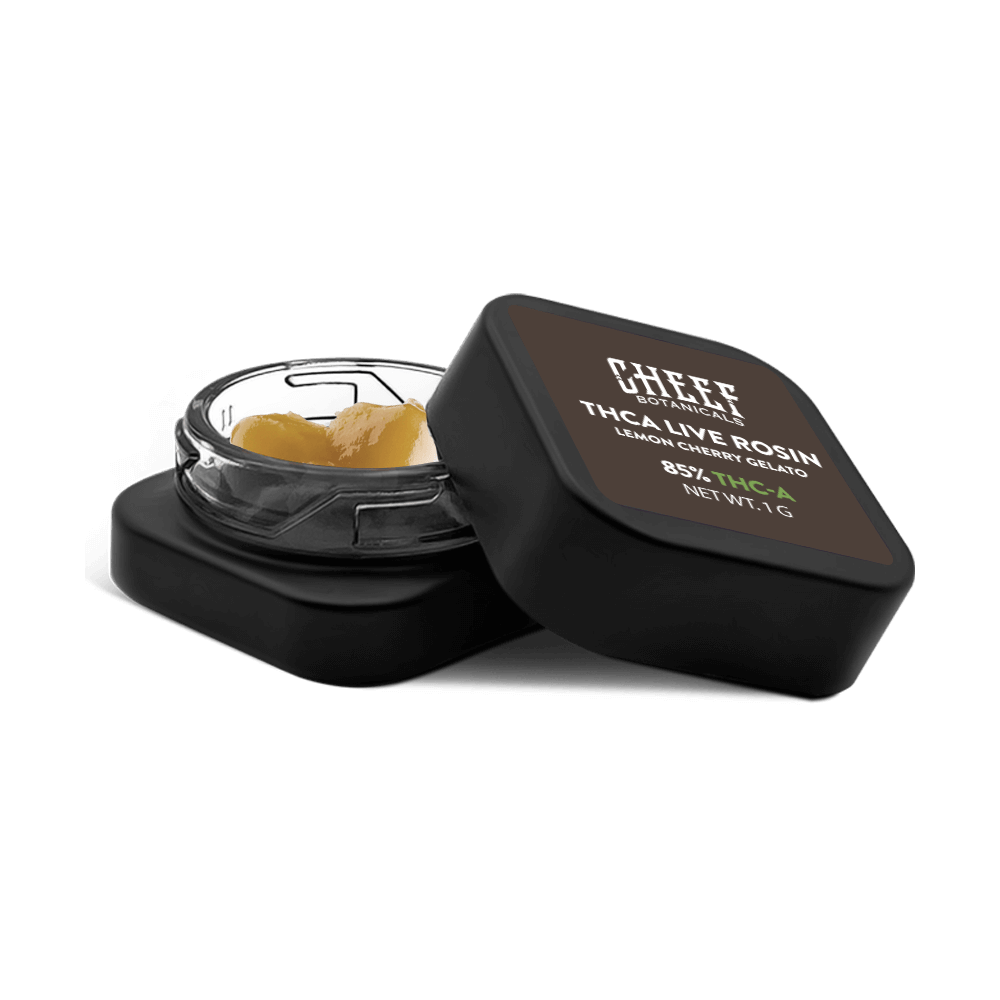
Cheef Botanicals Live Rosin
Cheef Botanicals’ live rosin is the perfect choice for anyone looking for pure, high-quality cannabis concentrates. We only use the best cannabis plants and a solventless extraction process, so there are no chemicals—just natural, clean cannabis goodness.
Our Lemon Cherry Gelato strain offers a sweet cherry and citrus flavor that’s smooth and full of terpene content for an amazing experience. It’s powerful, pure, and delivers everything you’d want from a top-notch cannabis extract. Every batch is lab-tested for purity and compliance, so you can always count on safe and reliable overall quality.
Badder Consumer Benefits
Badder is a favorite among cannabis connoisseurs for many reasons. The combination of affordability and easy access makes badder a top pick for anyone trying cannabis concentrates. Let’s break down why badder continues to win over so many fans.
Lower Price Point
One key benefit of badder is its cost, which is lower than many other concentrates, including rosin. The solvent-based extraction process used to make badder is efficient, allowing producers to offer it at a more affordable price without compromising high potency. This makes it an excellent choice for those who want a strong and flavorful cannabis extract without breaking the bank.
Widely Availability
Another major perk of badder is its availability. Since the extraction process for badder is widely used and doesn’t require complex equipment like a rosin press, it’s easy to find at most dispensaries. Its popularity among users also means that it’s often available in various strains and different forms, offering plenty of choices.
Whether you’re looking for something smooth with added flavor or a malleable consistency for easy use, badder is a reliable option. Its accessibility makes it a staple in cannabis culture, perfect for both beginners and experienced users.
Which Is Better: Badder vs Rosin?
When comparing badder vs rosin, it all comes down to what you value most in a cannabis concentrate. Both offer unique benefits, so the choice depends on your personal preferences and priorities. Let’s explore how your needs might align with each option.
Choosing Based on Preferences
If you’re on a budget or want something easy to handle, badder is a great option. Its malleable consistency makes it simple to use with a dab tool, and it’s widely available. For those who prioritize flavor and a clean product, rosin is the better choice. Its solventless extraction process ensures purity, delivering bold flavors, added potency, and high-quality effects.
Considerations for Quality and Effects
Rosin is a top pick for quality, as its solventless production results in a clean, chemical-free concentrate with no residual solvents. Its rich terpene content enhances the flavor and provides a smooth, natural experience.
Badder, while made using a solvent-based extraction, still offers high potency and bold flavors, making it a reliable choice for many users. The effects of both depend on the starting material, so trying both can help you find the perfect match.
No matter your preference, quality matters, and Cheef Botanicals is here to deliver. With trusted, top-notch cannabis concentrates, you can enjoy the best of badder, rosin, and everything in between.

 Watermelon OG - Top Seller
 Runtz THCa Flower - Excellent Choice
 Han Solo THCa Flower - Highly Rated
 Space Junkie THCa Flower - Good Value


Leave a comment
This site is protected by hCaptcha and the hCaptcha Privacy Policy and Terms of Service apply.