
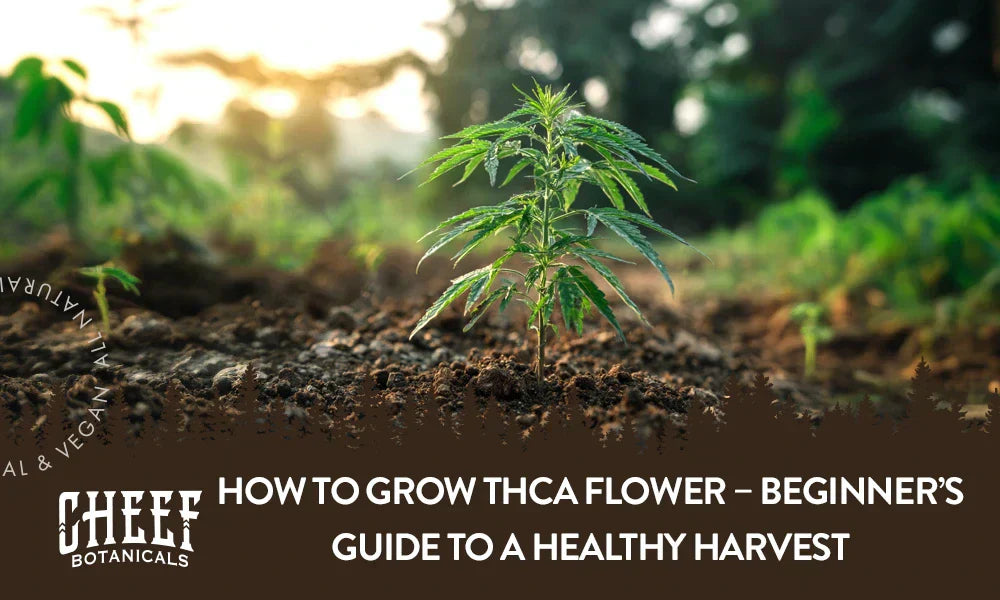
Ever wondered how to grow THCa flower at home and create buds that shine with quality? THCa flower is special because it forms naturally in hemp plants before heat changes it into THC.
Many growers enjoy producing it because it lets them enjoy raw cannabis flower with elevated THCa levels. With the right care, cannabis plants can thrive in either indoor or outdoor setups. This guide will give you easy steps and clear facts so you can start growing with confidence and excitement.
Understanding THCa Flower

THCa hempflower is raw cannabis flower that naturally contains tetrahydrocannabinolic acid (THCa). This compound forms inside hemp plants before heat changes it through a process called decarboxylation. When you consume THCa flower raw, it does not create the same psychoactive effects as THC.
THCa converts into THC only when heated, which is why many people choose to ingest THCa in its natural state. For growers, THCa hemp flower production focuses on maintaining elevated THCa levels through every growth stage, from seed to harvest.
Benefits of Growing Your Own THCa Flower
Growing THCa hemp flower at home gives you full control over the process. You can select cannabis strains known for high THCa content, manage light cycles, and choose nutrient-rich soil for plant health.
- Control Over THCa Content. You can adjust growing conditions to maximize THCa content, ensuring your plants reach peak THCa levels before harvest. Monitoring tiny resin glands during the flowering stage helps you harvest cannabis at just the right moment.
- Choice of Cannabis Strains. You can select high THCa strains that suit your taste, whether you prefer flavor, aroma, or elevated THCa potency. Different cannabis plants respond differently to outdoor cultivation or indoor growing, so your choice shapes the final quality.
- Fresh Raw Cannabis Flower. Growing your own plants gives you access to raw cannabis, which you can consume as raw cannabis flower or prepare in ways that preserve THCa concentration. This offers you freedom compared to buying pre-harvested products.
- Saves Money in the Long Run. Consumers who grow THCa often save compared to buying premium THCa hemp flower on the market. Once you set up your system, your hemp plants can keep producing high-quality THCa flower for multiple cycles.
Is Growing THCa Flower the Same as Growing THC Flower?
Growing THCa flower is not the same as growing THC flower because the goal behind cultivation differs. THCa hemp flower focuses on preserving THCa before heat converts it into THC, while THC flower grows for stronger euphoric effects. Both cannabis plants follow similar stages, but testing and legal status separate them. Learning how to grow THCa flower involves managing harvest timing, light, and temperature carefully to maintain THCa content and keep crops federally compliant.
Similarities in Cultivation
Both THCa and THC flower follow the same natural growth cycle from seedling to harvest. You need to maintain healthy cannabis plants during the vegetative stage and flowering stage for strong yields. Here are the main similarities:
- Light Cycle and Stages. Both THCa hemp flowers and THC flowers need proper light cycles. The vegetative stage thrives with 18 hours of light, while the flowering stage requires 12 hours of light and 12 hours of darkness.
- Plant Health and Care. Cannabis plants in either category demand nutrient-rich soil, steady watering, and protection to prevent mold. Healthy hemp plants naturally produce higher levels of cannabinoids.
Key Differences in Legal Status and Testing Requirements
Even though the plants may look alike, their legal standing is very different. You must also pay attention to lab testing since THCa levels directly affect compliance. Here are the key differences:
- Federal and State Laws. Hemp plants with THCa content that keeps psychoactive THC under 0.3 percent are federally legal under the Farm Bill. Cannabis flower with higher THC levels remains restricted. Always check local laws before growing.
- Testing Standards. THCa flower production requires lab testing to confirm THCa concentration and total THC levels. High THCa strains must pass compliance before consumers can legally consume THCa hemp flower in most states.
Choosing the Right THCa Strain for Beginners
Choosing the right cannabis strains is the first step in growing THCa hemp flower made for strong results. Strain choice impacts THCa potency, aroma, and how much care your hemp plants need.
Popular Strains Known for Potency and Flavor
Some cannabis strains naturally produce higher THCa content and strong flavors. People often choose high THCa strains for peak THCa levels and smooth taste. A premium THCa hemp flower often comes from genetics built for potency. Beginners should start with options that give high-quality THCa flower without complex care, making growing THCa flower easier to manage.
Strain Selection Based on Growing Conditions
Strain selection should match your environment. Indoor growers may prefer compact cannabis plants that respond well to controlled light cycles. Outdoor cultivation benefits from strains that thrive under natural sunlight and resist pests. Choosing the right hemp flower strains for your setup helps you maximize THCa content, achieve elevated THCa potency, and keep your plant health stable.
Indoor vs. Outdoor Growing – Which Is Best for THCa?
When growing THCa flowers, you can choose indoor setups or outdoor cultivation. Each method impacts THCa hemp flower production, plant health, and final THCa potency.
Indoor growers control light cycles, temperature, and humidity. Outdoor plants grow with natural sunlight and nutrient-rich soil. The choice depends on your budget, location, and goals for producing premium THCa flower.
Pros of Indoor Cultivation
Indoor growers get full control over THCa hemp flower production. You decide the light cycle, airflow, and temperature, which support plant health and prevent mold. This helps maximize THCa content for premium THCa flower.
- Controlled environment for stable THCa levels
- Protection from pests and outdoor risks
- Higher cost for lights, ventilation, and equipment
Quality indoor setups give consistent, high-quality cannabis flower but cost more.
Pros of Outdoor Cultivation
Outdoor cultivation relies on natural sunlight and nutrient-rich soil to grow THCa hemp flowers. It costs less and allows larger cannabis plants to thrive while still achieving elevated THCa potency.
- Free sunlight supports natural growth
- Lower costs compared to indoor growers
- Exposure to pests, weather, and less control
Many people prefer outdoor plants for their natural flavor and high THCa content.
Indoor Growing Essentials
Indoor growers control plant health, light cycle, and THCa hemp flower production. By setting the right space, nutrients, and airflow, you can naturally produce higher levels of THCa content. Proper indoor care lets you maximize THCa potency while protecting hemp plants from mold, pests, or weather that affects outdoor plants.
Providing the Proper Space for Plant Growth
You need enough space for cannabis plants to grow THCa properly. Choose containers that allow roots to expand and place them in a clean area with steady airflow. Healthy hemp plants in the right space produce high THCa flower. Avoid crowding, since limited room reduces plant health and overall THCa production.
Setting Up Lights, Ventilation, Temperature Control, and Humidity Control
Indoor growers must manage light cycles and ventilation. Use high-quality LED grow lights to guide vegetative stage growth and trigger the flowering stage. Adequate ventilation and airflow prevent mold while steady temperature and humidity support THCa content. Monitoring these conditions helps you maximize THCa concentration and maintain plant health for premium THCa flower production indoors.
Best Soil and Nutrient Mix for THCa Flower
Hemp plants thrive in nutrient-rich soil. A balanced mix of nitrogen during the vegetative stage and phosphorus and potassium in the flowering stage supports THCa potency. Consistent feeding without oversaturating maximizes THCa content and naturally produces higher levels of cannabinoids. Avoid overfeeding, since saturation and nutrient burn reduce THCa flower production and weaken cannabis plants.
Space and Container Size Recommendations
Pick container sizes that match your growing plan. Small pots work for compact indoor growers, while larger containers support cannabis plants with more root space. Space your hemp plants to improve airflow and plant health. Proper spacing ensures high THCa content, better THCa production, and a stronger harvest when you grow THCa indoors.
Providing CO2 for Maximum Growth (Optional)
Some indoor growers add CO2 to boost plant health and increase THCa production. With enough CO2, cannabis flower can naturally produce higher levels of THCa content. While optional, it may help maximize THCa concentration and yield. Monitor carefully, since too much CO2 or poor ventilation can affect your plants instead of supporting growth.
Outdoor Growing Essentials
Outdoor cultivation relies on natural sunlight, nutrient-rich soil, and steady care. Outdoor plants often grow larger and produce high THCa hemp flower, but they face risks like pests and weather. Managing the soil and protecting cannabis plants ensures stable THCa content, healthy hemp plants, and premium THCa flower made under natural conditions.
Ideal Climate and Sunlight Requirements
THCa hemp flowers thrive in warm climates with long hours of natural sunlight. Outdoor plants grow strong when exposed to steady light and moderate temperatures. The best climate includes daytime temperatures between 70°F and 85°F (21°C to 29°C). Temperatures dropping below 60°F or rising above 90°F can cause plant stress and lower overall yields. Choosing the right season for outdoor cultivation helps maximize THCa content and produce high-quality THCa flower.
Preparing Soil and Managing Pests Naturally
Cannabis plants grow best in nutrient-rich soil that drains well. Healthy soil boosts THCa potency and supports strong root systems. Outdoor plants are exposed to pests, so natural pest control methods work best. Keeping the soil balanced and pests away helps maximize THCa content, maintain plant health, and ensure consistent THCa flower production.
Planting and Germination Basics
Strong germination gives your cannabis plants the best start. Hemp seeds need warmth, moisture, and steady care during this stage. Growing THCa flower begins with healthy female seeds that lead into the vegetative stage. By planting in nutrient-rich soil and protecting seedlings, you prepare for high THCa flower production and consistent THCa potency.
Seed Germination Techniques for Beginners
Germinating seeds is simple with the right method. Keep seeds warm and moist until they sprout. Many people use the damp paper towel technique for quick results.
Once seeds open, place them into nutrient-rich soil under a gentle light cycle. This prepares hemp plants for the vegetative stage and supports stable THCa content.
When and How to Transplant Seedlings
Seedlings must be transplanted once roots expand and leaves begin to pop. When transplanting, choose larger containers with nutrient-rich soil for plant health.
- Move seedlings carefully to avoid root damage
- Provide a steady light cycle and airflow
- Water lightly to prevent mold
This transition supports THCa hemp flower production, keeping hemp plants strong as they grow THCa naturally.
Growth Stages of THCa Flower Plants
Understanding how to grow THCa flower means guiding cannabis plants carefully through each stage. The vegetative stage builds structure, while the flowering stage develops tiny resin glands that hold THCa content. Managing plant health, nutrients, and light cycle ensures high THCa hemp flower with elevated potency and stable THCa concentration throughout the growing process.
Vegetative Stage Care and Feeding
During the vegetative stage, hemp plants need long hours of light and nitrogen-rich nutrients. This phase builds strong stems and leaves that support future THCa flower production. Keeping the soil moist and balanced helps maximize THCa content. Healthy cannabis plants at this stage naturally produce higher levels of cannabinoids and prepare for peak THCa levels.
Flowering Stage Light Cycles and Nutrients
The flowering stage begins when light cycles shift to equal hours of light and darkness. Tiny resin glands appear and hold THCa content, which grows as the plant matures. Balanced feeding with phosphorus and potassium supports THCa potency. Proper care during this stage helps maximize THCa concentration and ensure premium THCa hemp flower production.
Harvesting for Maximum THCa Content
Harvesting cannabis plants at just the right moment ensures high THCa content and premium THCa hemp flower production. Trichomes signal peak THCa levels, and careful handling preserves potency. Following the right steps helps you protect THCa flower made for quality and consistent results.
- Signs of Readiness. Tiny resin glands shift from clear to milky, showing peak THCa levels. This signals the optimal harvest time before THCa converts into psychoactive THC through decarboxylation. Watching trichomes closely helps maximize THCa content when harvesting cannabis.
- Proper Cutting and Handling. Cut flowers carefully to avoid damaging resin glands where THCa is stored. Handle buds gently to preserve THCa concentration. Dry cannabis flower in a ventilated space with airflow to prevent mold. Correct handling supports premium THCa flower production and protects elevated THCa potency for consumers.
Drying and Curing THCa Flower
Anyone learning how to grow THCa flower must understand the importance of drying and curing. After harvesting cannabis, hang the hemp flower in a cool, dark space with airflow for one to two weeks. This prevents mold and supports plant health.
Once dry, cure buds in airtight jars, opening daily for air exchange. The curing process preserves THCa content, improves aroma, enhances smoothness, and delivers premium high quality THCa flower with lasting potency and flavor.
Avoiding Common Growing Mistakes
Even experienced growers can harm THCa hemp flower production by overlooking small details. Protecting plant health and THCa content means avoiding these common mistakes that reduce yield and potency.
- Overwatering and Nutrient Burn. Too much water or fertilizer damages hemp plants. Keep soil balanced and moist but not soggy. Controlled feeding prevents nutrient burn and supports high-quality THCa hemp flower production.
- Poor Light Exposure and Temperature Fluctuations. Unstable light cycles or extreme temperatures weaken cannabis plants. Consistent light and climate help maximize THCa content, protect tiny resin glands, and maintain high THCa flower yields indoors or with outdoor cultivation.
- Not Pruning Dead Growth and Removing Excess Fan Leaves for Airflow. Leaving dead leaves blocks airflow and reduces plant health. Pruning keeps cannabis flowers strong, prevents mold, and naturally produces higher levels of THCa content during the flowering stage.
- Not Providing Proper Distance from Flower Canopy to Light Source. Lights placed too close burn hemp plants, while distant lights limit THCa production. Keep the correct distance to promote THCa potency, stable THCa concentration, and premium THCa flower made under controlled conditions.
Legal Considerations When Growing THCa Flower
When growing THCa flower, you must follow federal hemp rules under the 2018 Farm Bill. Hemp plants are legal if psychoactive THC stays below 0.3 percent. Local laws can differ, so always confirm with state regulations before planting.
Some areas allow outdoor cultivation, while others restrict it. Staying informed about compliance ensures your THCa flower production is valid, protects plant health, and gives consumers confidence in premium THCa hemp flowers.
FAQs – How to Grow THCa Flower
How long does it take to grow THCa hemp flower from seed to harvest?
Growing THCa flower usually takes three to five months, depending on cannabis strains and conditions. The vegetative stage and flowering stage together shape THCa content and potency.
What’s the best temperature and humidity for THCa plants?
Vegetative stage plants thrive at 70–80°F with higher humidity. During the flowering stage, 40–50 percent humidity prevents mold and supports THCa flower production.
Can I grow THCa flower year-round indoors?
Yes, indoor growers can grow THCa continuously with controlled light cycles and ventilation. Indoor setups allow premium THCa flower production through multiple harvests.
Does THCa flower lose potency after harvest?
Yes, THCa content decreases if stored poorly, as THCa converts into psychoactive THC. Proper curing process and airtight storage preserve THCa levels longer.
How do I keep my THCa plants pest-free naturally?
Use natural pest control methods such as neem oil or beneficial insects. Pruning and healthy nutrient rich soil support plant health and high THCa content.
Final Thoughts - Growing THCa Flower Indoors or Outdoors

Learning how to grow THCa hemp flowers is a rewarding process when you give your cannabis plants the right care. Indoor growers control the light cycle, airflow, and humidity, while outdoor plants thrive under natural sunlight and nutrient-rich soil. Both methods support high THCa flower production with strong THCa content when managed properly.
At Cheef Botanicals, we focus on producing premium THCa flower like our white truffle THCa hemp flower made from hemp plants that naturally produce higher levels of cannabinoids. Every batch is tested for THCa potency, flavor, and plant health so you always receive reliable, high-quality THCa flower made with care and consistency.

 Watermelon OG - Top Seller
 Runtz THCa Flower - Excellent Choice
 Han Solo THCa Flower - Highly Rated
 Space Junkie THCa Flower - Good Value


Leave a comment
This site is protected by hCaptcha and the hCaptcha Privacy Policy and Terms of Service apply.