
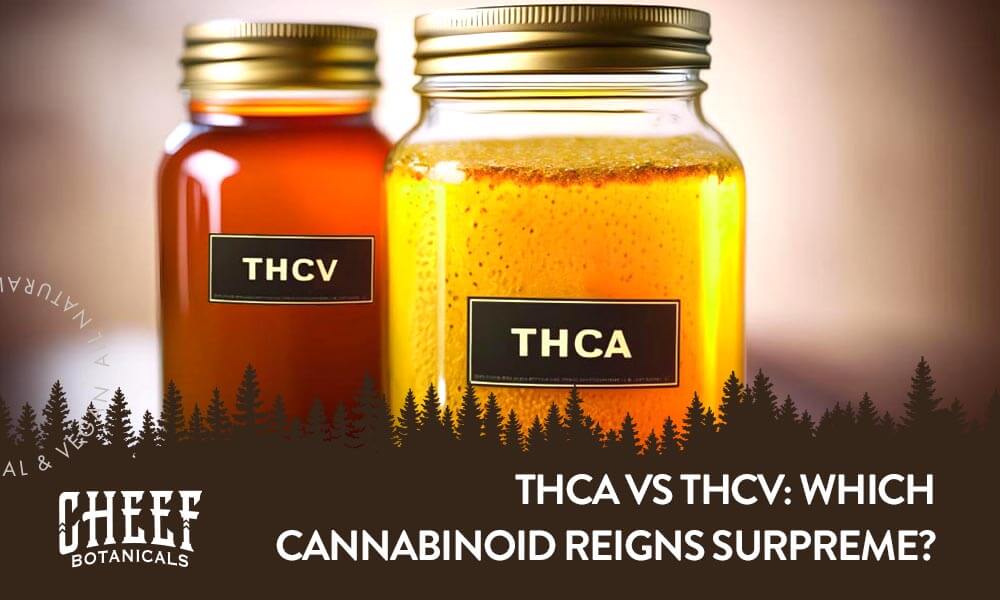
Curious about THCa vs THCv? These two cannabis compounds might sound similar, but they play very different roles in hemp-derived products. In its natural form, THCa doesn't produce a head change—it's a non-psychoactive cannabinoid found in raw cannabis. It's also the chemical precursor to THC, which means it can convert into THC when heat is applied. Meanwhile, THCv is gaining attention for its potential to suppress appetite and its non-psychoactive effects in low to moderate doses.
Both THCa and THCv are found in most cannabis strains. This guide will cover the unique benefits compared to other cannabinoids and how they can influence your experience with cannabis. Let's discover how these fascinating compounds can be part of your cannabis journey!
What's THCa?
THCa, or tetrahydrocannabinolic acid, is the precursor to THC—the compound that provides the "stoned" effect. All THC content in cannabis plants starts out as THCa, and through natural process or degradation, it turns into THC.
THCa converts into THC through a process known as decarboxylation, where THCa is converted to THC when it is exposed to heat, like during smoking, vaping, cooking, or even when it's exposed to sunlight.
However, in its raw form, THCa has a completely different chemical structure that doesn't interact with your brain like THC.
What's THCv?
THCv, or tetrahydrocannabivarin, is a minor cannabinoid found in cannabis plants. Unlike its more famous cousin THC, THCv offers unique effects and benefits that make it stand out. Known for its potential to act as an appetite suppressant, THCv is often referred to as "diet weed."
It provides a clear-headed, stimulating experience, which can be quite different from the typical effects of THC. Some cannabis research reports increased energy and focus for consumers, making it appealing for daytime medical or recreational use. It also has shown potential in reducing feelings of nervousness and stress without the strong psychoactive effects associated with THC.
Though THCv is less common in most cannabis strains, breeders are developing strains high in THCv to meet growing interest. As research continues, we may discover even more about this intriguing cannabinoid and its role in wellness and potential therapeutic benefits.
This cannabinoid can produce intoxicating effects effects, but they are generally milder and different from those of THC. At low doses, THCv typically doesn't produce a high; instead, it might even counteract some of the intoxicating effects of THC. However, at higher doses, THCv can induce a euphoric, stimulating effect, though it is often described as more clear-headed and less intense than a THC high.
Many users appreciate THCv for its unique properties, including potential appetite suppression, increased energy, and enhanced focus. Unlike THC, which can sometimes cause drowsiness or couch-lock, THCv is more likely to make you feel alert and invigorated. This makes it an attractive option for those seeking therapeutic benefits without the heavy sedating effects.

THCa vs. THCv: Comparing the Differences
It's important to know how these compounds work, especially if you're interested in their health benefits. Each offers unique experiences and benefits, helping you pick the right product for your needs. Let's explore how THCa and THCv compare.
Potency
THCa doesn't cause any euphoric feelings in its raw form. That only happens when it changes into THC, thanks to a process called decarboxylation, which needs heat to kick off.
THCv, on the other hand, can have psychoactive effects, but you generally need to take a lot of it to feel those effects. At lower doses, THCv can help dial down some of THC's headier impacts.
This makes THCv pretty interesting if you're looking for something that can clear your head and manage hunger without the heavy buzz.
Benefits
Both compounds have special benefits for health and wellness. Let's examine what each can offer and how it might be useful in your daily routine.
THCa
THCa, or tetrahydrocannabinolic acid, is appreciated for offering health benefits without the high. Here are some of the top reasons people choose THCa:
- Non-psychoactive. You can enjoy its benefits without getting buzzed, perfect for use any time of the day.
- Anti-inflammatory potential. THCa may help reduce swelling and discomfort, which is great for those with joint issues or skin conditions.
- Potential Neuroprotective properties. Early studies suggest THCa may help protect brain cells, potentially helpful against brain degenerative conditions.
- Immune system support. THCa is being researched for its ability to support the immune system, although more studies are needed to confirm this.
THCa is ideal if you're looking to tap into the benefits of cannabis but want to stay sharp and clear-headed.
THCv
THCv offers its own unique set of benefits, especially for those who don't mind a mild high:
- Appetite Control: It's not dubbed "diet weed" for no reason. Unlike THC, which can increase hunger, THCv might help those looking to manage their food intake and support healthier eating habits.
- Energy Support: Many consumers report feeling more energetic and invigorated after consuming THCv. This cannabinoid may provide a sense of energy, making it a popular choice for daytime use or activities that require alertness and stamina.
- Enhanced Focus: THCv is known for promoting a clear-headed and focused experience. It may support concentration and cognitive function, making it useful for tasks that require mental clarity and sustained attention.
- Mood Support: THCv may help in alleviating feelings of nervousness and unease, promoting a more balanced and positive mood. This makes it appealing for those seeking to enhance their emotional well-being without the strong psychoactive effects of THC.
- Metabolic Health: Early research suggests that THCv could play a role in supporting healthy blood sugar levels and reducing insulin resistance. This indicates its potential to promote better metabolic health, which is crucial for overall well-being.
- Stress Reduction: Some consumers find that THCv helps in managing stress and promoting relaxation. Its ability to reduce feelings of intense stress may contribute to a more calm and composed state of mind.
- Unique Experience: THCv provides a stimulating, invigorating effect that is different from the typical high associated with THC. This unique experience is often described as clear-headed and less intense, making THCv a desirable option for those looking for a different kind of cannabis experience.
Effects
When exploring the effects of THCa and THCv, it's interesting to note their distinct impacts. THCa does not produce psychoactive effects, so it won't make you feel euphoric or elevated, making it appealing if you're looking for potential health benefits without the high.
In contrast, THCv can have mild psychoactive properties at higher doses, potentially providing a clear-headed, euphoric feeling. At lower doses, THCv is known to possibly reduce anxiety and help with appetite suppression, contrasting with THC's appetite-stimulating qualities.
Both THCa and THCv are being studied for their neuroprotective effects, suggesting they might support brain health, but remember, everyone's experience can vary slightly.
Legalities
Is THCv and THCa legal? Both come from the cannabis plant, and their legal status depends on whether they're from hemp (which is legal federally) or marijuana (which isn't federally legal). THCa is usually legal when it comes from hemp, but state laws can differ. THCv has a similar legal standing but isn't as commonly found or regulated. Always double-check the local laws to make sure it is legal to purchase.

Methods of Use
Here are some great ways to try THCa and THCv, depending on what you're looking for:
- Raw Cannabis. Consuming raw cannabis, like in juices or fresh salads, is great for THCa since it doesn't get you high.
- Oils and Tinctures. For fast effects, you can use oils or tinctures of THCa and THCv under your tongue.
- Edibles. If you prefer something tasty, edibles with THCa or THCv can give you longer-lasting effects.
- Vaping. Vaping specific strains that are high in THCa or THCv is another quick way to feel their benefits.
These options let you explore the benefits of THCa and THCv in a way that fits your lifestyle, whether you're into health benefits or just curious about their effects.
Availability
You'll find THCa more easily since it's present in most strains of cannabis. THCv is trickier to find because it's less common and only appears in certain cannabis strains known for having unique cannabinoid profiles.
Both THCa and THCv are available in various forms, like oils, tinctures, and edibles, designed for consumers who want specific effects. If you're interested in trying these, it's good to check what's available in dispensaries or online shops like Cheef Botanicals that carry specialized cannabis products.
Cost Comparison
Generally, THCa is more budget-friendly because it's abundant in cannabis plants, which makes it easier and cheaper to extract and turn into products. THCv, on the other hand, can hit your wallet harder because THCv-rich strains are rarer and harder to process.
If you want to explore these cannabinoids without spending too much, starting with THCa might be your best bet. Always check prices at your local dispensaries or online to find the best deal.
Chemical Structure
The chemical structures of THCa and THCv are key to understanding their different effects. THCa has a carboxylic acid group in its structure, which stops it from being psychoactive until heat removes this group, a process called decarboxylation.
THCv has a shorter side chain, which changes how it connects with your body's cannabinoid receptors and affects its impact. These structural differences may explain why THCv might reduce your appetite and why THCa is explored for its anti-inflammatory benefits.
Knowing about these structures helps researchers and even regular consumers understand what to expect from THCa and THCv, from health benefits to how they might make you feel after use.
Related Post: THCa vs CBD: Difference and Unique Benefits Explained
THC-a vs THC-v: Comparing How They're Made
THCa and THCv are unique cannabinoids found in the cannabis plant, each with distinct origins and properties. Let's explore how they're made and what sets them apart.
THCa is the raw form of THC, the component that creates the high. THCa is plentiful in fresh, unprocessed cannabis and doesn't affect your brain until it's heated. This heating process, called decarboxylation, changes THC-a into THC by removing a carboxyl group. This happens when you smoke, vape, or cook cannabis.
On the flip side, THCv comes from a different precursor called cannabigerovarin acid (CBGVA) and doesn't need heat to activate. Its structure is similar to THC but has a shorter chain that makes its psychoactive effects much milder.
Both THCa and THCv offer exciting possibilities beyond just their psychoactive properties. Researchers are looking for anti inflammatory properties THCa, while THCv is being studied for its potential benefits in weight control and brain health. These compounds illustrate the diverse therapeutic potential of cannabis, each following its unique process to impact health and wellness.

Why Choose Cheef Botanicals for THCa Options
Looking for reliable and high-quality THCa products? Cheef Botanicals is here to meet all your needs! Our products stand out in the market as they are Federal Farm Bill compliant and crafted from 100% naturally grown hemp, ensuring top-tier quality and safety.
At Cheef Botanicals, we provide diverse THCa options to suit various preferences and needs. From gummies and flower to vapes and concentrates, our extensive selection allows you to explore the benefits of THCa in whatever form suits you best. Each product undergoes stringent 3rd party lab testing that guarantees its purity and potency, giving you peace of mind with every purchase.
Choose Cheef Botanicals for your THCa needs and enjoy the variety and quality of our carefully curated products. Experience the difference with a brand that prioritizes your wellness and satisfaction!
What to Look for When Searching for THCA and THCV Products
Shopping for THCV and THCA products? Here's what you should keep an eye out for to ensure you're getting the best quality and value:
- Third-Party Lab Testing. Always check if the products have been tested by an independent lab. This ensures the potency and purity of the THCV and THCA you're buying.
- Source of Cannabis. Know where the cannabis is coming from. Products made from 100% naturally grown cannabis are typically of higher quality. Look for items that specify they are sourced from reputable, controlled environments.
- Compliance with Laws. Make sure the products you are buying are compliant with the Federal Farm Bill. This means they contain less than 0.3% THC, making them legal at the federal level.
- Customer Reviews. Don't overlook what others are saying. Reviews can provide you insight into the effectiveness and overall quality of the product.
Choosing the right THCV and THCA products involves some research and knowledge, but it's worth it to ensure you get safe, effective products that meet your needs. Keep these tips in mind, and you'll be well on your way to making a great choice!
THCA and THCV - Frequently Asked Questions
We've gone over the basics but there is still more to know about these two unique cannabinoids. Here is additional information regarding other common questions people have about THCa and THCv.
Can THCa or THCv Show Up On A Drug Screen?
Generally, THCa might convert to THC during testing due to the heat applied, which can result in a positive drug screen. THCv, however, is less likely to show up because it's usually present in much smaller amounts and isn't typically targeted by standard drug tests. Consider how much and how often you consume these products, as both can influence test outcomes.
Is THCV Stronger Than THCA?
It depends on what you mean by "stronger." THCv can be psychoactive at high doses, offering a different kind of high that is usually described as clear-headed and stimulating, unlike the typical THC high.
THCa, on the other hand, is non-psychoactive until it converts to THC. It won't affect your mind unless heated. So, while THCv might present stronger psychoactive effects, THCa has strong potential health benefits without the high.
Which Is Better, THCa or THCv?
If you're interested in health benefits without experiencing a high, THCa might be the better choice as it's non-psychoactive in its raw form. However, if you're seeking more pronounced psychoactive effects and appetite suppression, THCv could be the way to go. Both cannabinoids offer unique benefits, so the best one depends on your health goals and how your body reacts to each.

Does THCa Get You High?
The answer is no, not on its own. THCa is the non-psychoactive precursor to THC, which means it doesn't produce a high until it is converted through a process called decarboxylation, usually by heating. So, if you consume THCa in its raw form, like in juices or salads, you won't experience the psychoactive effects associated with THC.
Does THCv Get You High?
It's not as straightforward as with THC. While THCv is psychoactive, it only produces noticeable euphoric effects at higher doses. At lower doses, THCv can help reduce the psychoactive effects of THC, making it popular among those who want less of a high and more clarity.
Are There Any Potential Risks When Consuming THCv or THCa?
When it comes to consuming THCv or THCa, it's important to be aware of potential risks. Here are some potential side effects to keep in mind:
- Mild anxiety
- Dry mouth
- Dizziness
- Change in appetite
These side effects are only temporary and can often be mitigated by adjusting the dosage. To minimize risks, it's recommended to start with a low dose and gradually increase it as needed, always paying attention to how your body responds.
Final Thoughts: THCa vs THCv - Comparison Guide
As we wrap up our guide on THCa and THCv, it's clear that these two cannabinoids from the cannabis plant offer unique and varied experiences. THCa is non-psychoactive, which means you can enjoy potential health benefits without experiencing the high often associated with THC. On the flip side, THCv is psychoactive at higher doses but offers a clearer and less intense high, along with benefits like reducing appetite.
If you're thinking about exploring THCa or THCv, start small with your doses and always follow the guidelines. Make sure to check if these cannabinoids are legal where you live, and talk to a healthcare professional to stay safe. Always choose trusted sources like Cheef Botanicals for your THCa products to ensure quality and safety.
As ongoing research continues to reveal more about THCa and THCv, the potential for these cannabinoids in the cannabis market is promising. With careful use and quality products, exploring the benefits of THCa and THCv can be a rewarding part of your wellness routine!

 Watermelon OG - Top Seller
 Runtz THCa Flower - Excellent Choice
 Han Solo THCa Flower - Highly Rated
 Space Junkie THCa Flower - Good Value


Leave a comment
This site is protected by hCaptcha and the hCaptcha Privacy Policy and Terms of Service apply.