
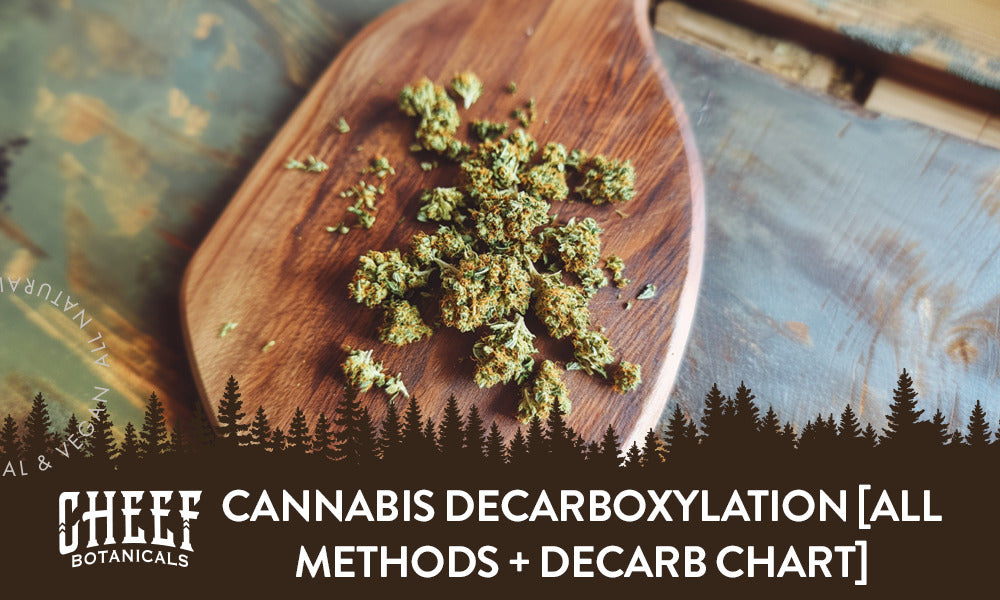
Did you know that raw cannabis won’t give you the effects you’re looking for? The key step happens when you decarb weed, turning inactive cannabinoid acids into active compounds like THC and CBD. This process, called cannabis decarboxylation, is how you get the most out of your cannabis buds.
In this guide, you’ll learn how to decarboxylate cannabis using different methods. If you’ve been enjoying cannabis regularly or are just starting to learn the process, knowing how to decarb cannabis properly helps you get its full benefits. We’ll break down the decarboxylation process, explain what it does, and share clear steps to follow so you can prepare cannabis for maximum potency and better results.
What is Decarboxylation?
Decarboxylation, or "decarbing," is how you unlock the full potential of your cannabis. It's a chemical reaction where heat removes a carboxyl group from the cannabis plant's molecules. This process turns the non-psychoactive cannabinoid acids like THCA and CBDA into active compounds, specifically THC and CBD.
When you decarboxylate cannabis, you're activating these psychoactive compounds. This happens naturally when you heat cannabis through smoking, vaporizing, or cooking. By doing so, you convert THCA and CBDA into THC and CBD, which are responsible for the psychoactive effects and potentially therapeutic benefits that many cannabis consumers look for. Properly decarboxylating your cannabis ensures you get the most out of your cannabis plant material.
What is the Purpose of Decarbing Cannabis?
Decarbing cannabis is an essential step to fully activate compounds like Δ9-tetrahydrocannabinol (Δ9-THC), cannabidiol (CBD), and cannabigerol (CBG). In raw cannabis, these cannabinoids are in their inactive forms, known as THCA and CBDA. When you decarboxylate cannabis, you're using heat to transform these inactive cannabinoid acids into the active compounds that provide the effects you want.
If you smoke cannabis, the decarboxylation occurs naturally as the plant burns. However, when making edibles or cannabis-infused oils, you need to decarb cannabis beforehand. This way, you ensure that the THC and CBD are activated, giving your edibles the psychoactive effects you're aiming for. Decarbing cannabis properly helps you make the most of your cannabis material, whether you're cooking or creating other cannabis products.
What is the Purpose of Decarbing THCa Cannabis?
Decarbing THCa cannabis is becoming popular because it allows you to turn THCa, which is legal, into THC, the compound that gives cannabis its psychoactive effects. In its raw form, the cannabis plant contains THCa, which doesn't cause any psychoactive effects until it's heated. Through the decarboxylation process, you convert THCa into THC, making it active and ready to interact with your cannabinoid receptors.
If you're using THCa and want the effects of THC, decarbing cannabis is the essential step. This is especially important when making edibles or cannabis-infused oils because decarboxylation ensures the THC is activated. By decarbing THCa cannabis, you can stay within legal boundaries while still enjoying the benefits of THC.
How Does Decarboxylation Work?
Decarboxylation is the process that turns raw cannabis into its active form, making it possible to enjoy the effects of THC and CBD. Without decarboxylation, the cannabinoids in the cannabis plant stay inactive and won't give you the results you're looking for.
Here's how it works:
- Heat application. The raw or cured cannabis plants contain non-psychoactive cannabinoid acids like THCA and CBDA. These need heat to activate. When you apply heat to cannabis flower, it removes the carboxyl group (COOH) from these acids, turning them into THC and CBD. These active compounds are what give cannabis its psychoactive effects and potential benefits.
- Temperature and time. To decarb cannabis properly, you need to use the right temperature and time. Usually, temperatures between 200 - 290°F (104 - 118°C) work best. The process can take anywhere from 7 to 60 minutes, depending on the temperature. Lower temperatures take longer, while higher temperatures speed things up. Using an oven thermometer helps you keep the temperature steady for effective decarboxylation.
- CO2 release. During decarboxylation, as the carboxyl group detaches from the cannabinoid acids, carbon dioxide (CO2) is released. This shows that decarboxylation is happening and that the cannabinoids are turning into their active forms. The end result is a more potent cannabis flower, ready for use in edibles, tinctures, or other cannabis-infused products.
What Are the Different Ways to Decarb Cannabis?

Decarbing cannabis is a simple yet important step to activate its psychoactive compounds. There are several methods to choose from, each with its own benefits depending on what you have available and how precise you want to be.
- Oven Decarb. The most common method is using an oven. You spread your ground cannabis on a baking sheet and heat it at a specific temperature, usually between 230°F and 250°F, for about 30 to 40 minutes. This method is reliable and easy for most people.
- Toaster Oven Decarb. Like the oven method, a toaster oven is a handy alternative, particularly for decarbing smaller amounts. It's portable and doesn't take up much space, but you'll need to closely monitor the temperature to avoid over-decarboxylation.
- Mason Jar Boil Decarb. This method involves sealing your cannabis in a mason jar and boiling it in water. It's a great option if you want to avoid the smell that comes with oven decarbing. The water helps regulate the temperature, making this method effective for even heat distribution.
- Sous Vide Decarb. Sous vide is the way to go for those who want precise temperature control. You vacuum seal your cannabis and place it in a water bath at a controlled temperature for about an hour. This method preserves the aromatic compounds and ensures even decarboxylation.
- Using a Decarboxylation Device. Specialized decarboxylation devices are available for those who want a foolproof method. These devices take the guesswork out by maintaining the ideal temperature and time automatically, ensuring your cannabis is perfectly decarbed every time.
- Decarbing with Butter or Oil. If you're planning to make edibles, you can decarb your cannabis directly in butter or oil. This method combines the decarboxylation process with infusion, saving time and effort while preparing your cannabis for cooking.
To Make Edibles, Is It Necessary to Decarb Cannabis?
Yes, you need to decarb cannabis if you want your edibles to deliver the effects you're looking for. Decarbing cannabis turns the non-psychoactive acidic cannabinoids like THCA and CBDA into active THC and CBD. This step is important because it makes the cannabinoids more effective and easier for your body to absorb, giving your edibles the potency you want.
If you don't decarboxylate cannabis before making edibles, they won't be as strong, and you might not get the results you expect. Decarbed cannabis also improves the flavor of your edibles by reducing the raw, grassy taste of the cannabis plant. So, if you want the best results and a better taste, it's essential to decarb your cannabis before making any edibles.
How to Decarb Cannabis Flower Using Your Oven
Decarbing cannabis flower in your oven is a simple and effective way to activate the cannabinoids in your cannabis buds. By following a few straightforward steps, you can prepare cannabis material that's ready to be used in edibles, tinctures, or cannabis-infused oils. Doing it yourself at home gives you control over the process, ensuring you get the most out of your cannabis plant material.
Materials Needed:
To get started, you'll need a few basic materials that are likely already in your kitchen.
- Eighth of cannabis flower
- Oven
- Grinder or scissors
- Baking sheet
- Parchment paper
- Oven mitts
- Spatula or spoon
- Airtight container
Instructions to Follow:
Decarbing weed in your oven is easy, but it requires attention to detail to ensure the best results. Follow these steps carefully to properly decarboxylate cannabis.
Step 1: Preheat Your Oven
Start by preheating your oven to 250°F (121°C). This temperature is key for decarboxylation as it activates the cannabinoid acids without degrading the cannabinoids and terpenes.
Step 2: Prepare the Cannabis
Break up your cannabis flower into small, pea-sized pieces using a grinder or scissors. Avoid grinding it too finely, as this can lead to uneven decarboxylation and make the cannabis harder to strain later.
Step 3: Line a Baking Sheet
Take a baking sheet with raised edges and line it with parchment paper. This will prevent the ground cannabis from sticking and make cleanup easier.
Step 4: Spread Cannabis Evenly
Evenly spread the cannabis across the parchment paper. Ensure that the cannabis material is in a thin layer with no clumps, allowing for consistent heating during the decarboxylation process.
Step 5: Bake at Optimal Temperature and Time
Put the baking sheet in the preheated oven and bake the cannabis for around 20 minutes. The baking time may vary depending on the moisture content of your cannabis buds. Watch for the cannabis to turn from bright green to a golden brown, indicating that the decarboxylation process is complete.
Step 6: Monitor and Stir Cannabis Materials
Halfway through the baking time, check on the cannabis and give it a gentle stir. This guarantees that the heat spreads evenly, allowing the cannabis to decarboxylate properly.
Step 7: Safely Remove From Oven
After 20 minutes, your cannabis should be a golden brown color. Carefully take the baking sheet out of the oven by using oven mitts.
Step 8: Allow Cooling to Room Temperature
Let the decarbed cannabis cool completely on the baking sheet. The cannabis will be fragile and crumbly, so handle it gently to avoid losing any material.
Step 9: Store or Use
After cooling, you can either store your decarboxylated cannabis in a sealed container away from sunlight or start using it right away to make edibles, tinctures, or infused oils. Proper storage ensures that your cannabis remains potent and ready for use when needed.

Decarboxylation Temperature and Time Chart
Getting the temperature and time right is important when decarbing cannabis to ensure you activate the cannabinoids without losing their potency. Different cannabinoids like THC, CBD, and CBG need specific temperatures and times to fully decarboxylate and become effective. This decarboxylation temperature chart can help guide you through the process:

For example, to convert THCa to THC, you can use a lower temperature of 200°F (95°C) for about 50 minutes, or go higher to 265°F (130°C) for just 7 minutes. If you're working with CBDA to get CBD, you can decarb it at 230°F (110°C) for 40 minutes, or speed things up with 265°F (130°C) for 12 minutes. The chart shows that higher temperatures work faster, but you need to watch closely to avoid overcooking your cannabis.
By following the right temperature and time, you ensure the decarboxylation process works effectively, preserving the cannabinoid acids and achieving the best results for your cannabis products. Whether you're aiming to activate THC, CBD, or CBG, this chart helps you get the most out of your decarboxylation process.
How to Use Decarbed Cannabis
After you've decarboxylated your cannabis, there are many ways you can put it to use. Decarbed cannabis is versatile and can be a key ingredient in everything from edibles to topicals. Knowing how to use decarbed cannabis will help you make the most out of its activated cannabinoids, giving you the effects and benefits you're looking for.
- Infuse into oil or butter. One of the most common uses for decarboxylated cannabis is to infuse it into oil or butter. You can then use this infusion in cooking or baking, making your own cannabis edibles at home. The cannabinoids in decarbed cannabis mix well with fats, which helps create potent and tasty treats.
- Make tinctures. Tinctures are alcohol-based extracts that you can mix into drinks or take under your tongue. To make a simple tincture, soak your decarboxylated cannabis in high-proof alcohol for a few weeks. Tinctures are great if you prefer a smokeless option and want to control your dosage easily.
- Create topicals. You can infuse decarbed cannabis into oils or creams to make cannabis topicals. You can apply these topicals directly to your skin, which may help provide relief in targeted areas. This is a good way to enjoy the benefits of cannabis without ingesting it.
- Make capsules. You can also put decarboxylated cannabis into capsules for easy dosing. This method is perfect for those who don't want to smoke or eat cannabis but still want to experience its effects. Capsules provide an easy and discreet method to consume decarbed cannabis.
When you use decarbed cannabis, it's important to start with a small amount and see how it affects you before taking more. The effects can be stronger and last longer than with raw or cured cannabis, so it's best to start low and go slow.
Frequently Asked Questions - Decarbing Cannabis
What temperature should I use to decarb cannabis?
Most people decarb cannabis at 250°F (115°C). This temperature allows the decarboxylation process to occur without damaging cannabinoids or aromatic compounds. Stable heat matters more than speed.
How long does it take to decarb cannabis?
Decarbing usually takes 20–30 minutes in an oven. Time can vary based on moisture content and how dense the cannabis buds are. A light golden brown color is a common sign the process is complete.
What are decarboxylation reactions and how do they work?
Decarboxylation reactions occur when heat causes carboxylic acids to release carbon dioxide and change structure. In cannabis science, this means cannabinoid acids lose a carboxyl group when heated. That group leaves as carbon dioxide, carrying a carbon atom out of the molecule.
What role do decarboxylation mechanisms play in cannabis?
Decarboxylation mechanisms rely on steady heat to break the bond between the carboxyl group and the rest of the molecule. This type of chemical reaction is common in organic chemistry and also occurs in keto acids and some amino acids under the right conditions.
Can weed be decarbed in a microwave or on a stovetop?
It is possible, but results are inconsistent. Microwaves heat unevenly, and stovetops can reach high temperatures quickly. An oven provides more even heating and better control.
Will cannabis decarb on its own during cannabutter or oil infusion?
Cannabis does not fully decarb during infusion unless temperature is tightly controlled, such as with sous vide. Most infusion methods stay below the heat needed for reliable decarboxylation. Decarbing first leads to a more consistent final product.
Do you need to decarb weed before smoking it?
No. Smoking and vaporizing apply enough heat to trigger decarboxylation instantly. Decarbing is mainly needed for making edibles, oils, or tinctures.
What’s the difference between drying, curing, and decarbing weed?
Drying and curing remove moisture and improve aroma after harvest. Only small amounts of decarboxylation happen during those steps. Decarbing uses controlled heat to activate cannabinoids.
Does decarboxylation destroy CBD?
No. Decarboxylation converts cannabidiolic acid into CBD by changing its molecular structure. The compound is activated, not broken down.
What happens if you decarb weed for too long?
Decarbing weed is all about timing. If you leave it in too long, you can lose potency and flavor, which changes the quality of your final product. Here’s what can happen:
- Loss of potency. With too much heating, THC can convert into CBN, which is less psychoactive. That can lead to a weaker effect and a more heavy, sleepy feel.
- Degradation of terpenes. Terpenes carry a lot of the aroma and flavor. High temperatures or long cook times can break them down, so the finished cannabis tastes flatter and smells less fresh.
- Loss of other cannabinoids. Other cannabinoids can also degrade with prolonged heat, which can reduce the overall strength of decarboxylated cannabis.
To avoid this, keep a close eye on temperature and time during the decarboxylation process. An oven thermometer helps you stay consistent and avoid overheating.
What’s the difference between decarb temperatures and boiling temperatures?
Decarb temperatures activate cannabinoids by changing their chemical structure. Boiling temperatures relate to vaporizing compounds during inhalation methods. Each serves a different purpose in cannabis preparation.

 Watermelon OG - Top Seller
 Runtz THCa Flower - Excellent Choice
 Han Solo THCa Flower - Highly Rated
 Space Junkie THCa Flower - Good Value


Leave a comment
This site is protected by hCaptcha and the hCaptcha Privacy Policy and Terms of Service apply.