

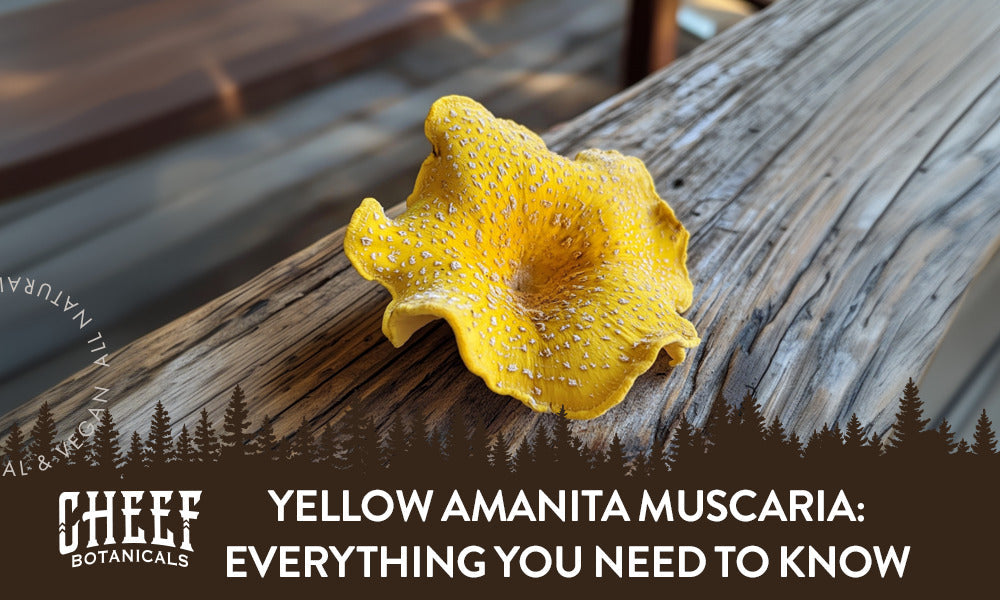
When you spot a bright yellow fungi standing out on the forest floor, you may be looking at Yellow Amanita Muscaria. This eye catching variation of the fly agaric mushroom has captured attention for generations due to its bold color and strong presence in nature.
There is more to Yellow capped Amanita Muscaria than appearance alone. Keep reading as we cover how to identify it, where it grows, how it compares to similar mushroom species, and what to know about edibility and risks so you can recognize it with confidence.
What is Yellow Amanita Muscaria?
Amanita Muscaria var. guessowii is a bright yellow mushroom known for its white spots, which help it stand out in the woods. It is a color variation of the well known amanita muscaria, also called the fly agaric.
The cap ranges from pale yellow to bright yellow and can develop reddish orange tones as it matures. You will often find this mushroom near birch or pine trees in cooler areas of the Northern Hemisphere.
Yellow capped amanita is a poisonous mushroom. It contains muscimol and ibotenic acid, which is why proper identification matters when you are around wild mushrooms.
The History and Origin of Yellow Capped Fly Agaric
Yellow capped amanita has been recognized for centuries, especially in Northern Europe and Siberia. Early cultures were familiar with amanita mushrooms and sometimes included them in spiritual traditions.
This mushroom species grows naturally in cooler forest regions across the Northern Hemisphere. Its unusual color and long history have kept it a point of interest among fungi researchers.
Unique Characteristics of the Yellow Amanita Mushrooms
Yellow Amanita mushrooms is easy to spot thanks to its yellow cap covered with white spots and warts. The cap can grow 3 to 8 inches wide and may feel slightly sticky after rainfall.
The thick white stem is solid and often ends in a bulb at the stem base. The white gills sit beneath the cap and do not attach to the stem, and a ring from the partial veil is usually visible.
Other amanitas, including amanita chrysoblema, share similar traits found across many Amanita species. Even though this is a beautiful mushroom, it remains poisonous and should be handled with caution.

Identifying Yellow Amanita Mushrooms in Nature
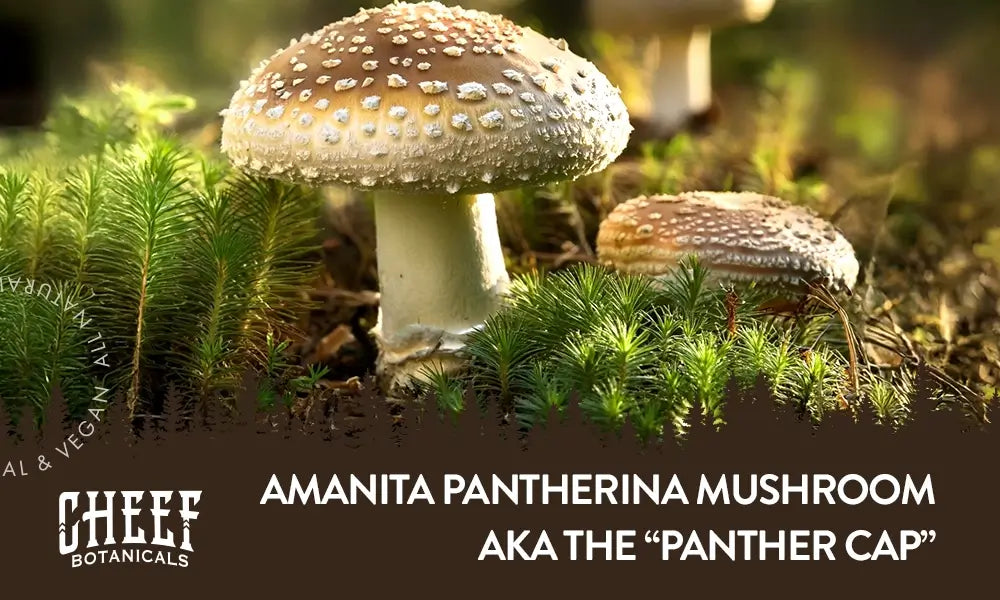
You can identify Yellow Amanita mushrooms by a few clear visual traits that stand out in the woods. The cap is often bright yellow or yellow orange with white spots or warts, and young mushrooms may appear more rounded before fully opening. A thick white stem, a visible ring from the universal veil, and a bulb shaped stem base are key features to look for. White gills that stay free from the stem help separate this mushroom from similar species like amanita pantherina.
Key Features of Yellow Amanita
Yellow capped mushrooms has several physical traits that help you separate it from other mushrooms. These features are especially helpful when you are comparing similar mushroom species in the same habitat.
- Cap. Bright yellow or pale yellow with white spots, usually 3 to 8 inches wide, and sometimes sticky when wet.
- Stem. Thick, white, and solid with a bulbous stem base and a visible ring from the partial veil.
- Gills. White and free from the stem, not narrowly attached.
- Universal Veil. Leaves behind a ring around the stem and remnants near the volva at the base.
- Toxins. Contains ibotenic acid and muscimol, which is why it is considered a poisonous mushroom.
These traits help set it apart from other amanitas, including the American Yellow Fly Agaric.
Habitat and Distribution of Yellow Amanita Mushrooms
Yellow Colored Amanita commonly grows in forested areas with cool temperatures and moist soil. You will often find it near birch, pine, or spruce trees due to its mycorrhizal relationship with these tree species. This mushroom species appears most often in late summer through fall. It is found across North America and Europe, especially in boreal forests and wooded regions with dense tree cover.
In the U.S., sightings are common in the Pacific Northwest, Northern California, and parts of the Northeast. If you spend time in the woods during fall, you may come across this beautiful mushroom growing directly from the soil.
Can Yellow Amanita Mushrooms Be Consumed?
Yellow mushroom species is generally not eaten because it contains ibotenic acid and muscimol. While some people say it can be consumed after careful preparation, the process is complex and carries real risk. For that reason, most foragers avoid this poisonous mushroom altogether. If you are not highly experienced with amanita mushrooms, leaving it untouched is the safest choice.
Traditional Uses of Yellow Fly Agaric
Yellow Fly Agaric was not used as commonly as the red amanita muscaria, but it did appear in certain historical practices. In parts of Siberia and Northern Europe, some amanita species were included in ritual settings after detoxification. These uses were tied to cultural traditions rather than everyday consumption. Today, Yellow capped mushroom is mainly recognized for its role in nature, not for ingestion.
Are There Consumable Products Containing Yellow Amanita?
Most Amanita based products use the Red Capped Amanita ZMuscaria, not Yellow capped Amanita Muscaria. The red fly agaric is more commonly prepared after detox steps, which is why it appears in gummies, teas, tinctures, and capsules.
While Yellow mushroom can technically be prepared, it is rarely used in commercial products. The vast majority of Amanita products focus on the red variety because it is more familiar and easier to handle.
Potential Effects and Risks of Yellow Capped Mushroom
Yellow Fly Agaric contains ibotenic acid and muscimol, which can cause noticeable reactions if ingestion occurs, especially in raw form. The effects can vary based on preparation, amount, and individual sensitivity.
Commonly reported reactions include:
- Queasiness or upset stomach
- Dizziness or confusion
- Agitation or muscle tension
- Hallucinations
- Extended deep sleep lasting several hours
Larger amounts increase the chance of stronger reactions. Because of these risks, ingestion is not commonly practiced and is generally avoided.
While some people may be curious about its effects, this poisonous mushroom can cause serious reactions if not handled properly. For most people, avoiding consumption is the safest approach.
Ibotenic Acid in Yellow Mushroom
Ibotenic acid is one of the main compounds found in Yellow Amanita and is most concentrated in raw mushrooms. It is closely linked to many of the reactions discussed in the effects and risks section. When exposed to heat or drying, ibotenic acid can convert into muscimol. This compound is a major reason Yellow mushroom is considered a poisonous mushroom and not commonly eaten.
Psychoactive Properties of Yellow Amanita
Yellow mushroom has psychoactive properties linked to muscimol and ibotenic acid. These compounds can affect perception and awareness, sometimes leading to visual changes or disorientation. The experience can range from mild effects to intense confusion. Since reactions are unpredictable, this mushroom is approached with caution and is not widely used today.
Health and Safety Concerns of Consuming Amanita Muscaria
Yellow Fly Agaric is considered a poisonous mushroom due to its active compounds. Without proper preparation, ingestion can lead to stomach troubles, vomiting, and nervous system reactions.
Sensitivity differs from person to person, which increases the overall risk. For most people, avoiding Yellow Amanita is the safest choice, as the potential downsides outweigh any interest in eating it.

What Amanita Muscaria Options Do We Offer?
At Cheef Botanicals, we offer a variety of red Amanita Muscaria products, all focused on quality and potency. Whether you prefer dried mushrooms or convenient gummy cubes, we make sure each product meets high standards through careful sourcing and testing. Here's a quick look at what we have:
Amanita Muscaria Dried Mushrooms
Our dried Amanita Muscaria caps are sourced from trusted American suppliers. We dry them carefully to keep their natural compounds intact. Each batch undergoes thorough testing to ensure purity and consistency, making it a trustworthy choice for those exploring Amanita Muscaria.
Amanita Muscaria Gummies Cube
For a more convenient option, our Amanita Muscaria Gummies Cube offers 5mg of muscimol and 500mg of fruiting body extract per cube. These gummies are discreet and easy to use, perfect for new or experienced users. Each batch is lab-tested, and the QR code on the package gives you access to the results.
If you want to elevate the experience, try our other gummies:
- Amanita Muscaria + D9 Gummies Cube
- Amanita Muscaria + Delta-9 THC + THCp Gummy Cubes
- Amanita Muscaria + Delta-9 THC + HHC Gummy Cubes
These versions combine Amanita Muscaria with Delta-9 THC, THCp, or HHC for a unique, balanced experience. Each variant offers a different way to enjoy the effects of Amanita Muscaria with an added twist.
Why Choose Cheef Botanicals for Amanita Products?
Cheef Botanicals focuses on offering high quality, legal Amanita Muscaria products made with careful sourcing and clear standards. Our Amanita Muscaria Mushroom + HHC + Delta-9 THC Gummies are federally legal and made from Farm Bill compliant hemp, keeping Delta-9 THC within the 0.3% legal limit.
You can feel confident knowing every product follows current regulations and is created with consistency in mind. The goal is simple: give you a dependable option when exploring amanita mushrooms.
Commitment to Quality and Safety
We place a strong emphasis on quality throughout every step of production. Amanita Muscaria mushrooms are carefully dehydrated to help preserve their natural compounds while reducing unwanted elements.
Our extraction process focuses on producing clean, consistent muscimol. Each batch is made to deliver the same experience every time and is well tolerated by most people when used responsibly.
Third-Party Lab Testing for Purity
Every Amanita Muscaria product is sent through third party lab testing to confirm purity and consistency. This testing helps verify that products meet strict quality standards and are free from harmful contaminants.
You can view lab results directly by scanning the QR code on the packaging. This level of transparency allows you to check exactly what you are getting before use.
Final Thoughts - Yellow Amanita Muscaria
Yellow Amanita Mushroom is a striking mushroom that stands out in nature, but it is also a poisonous mushroom. Its bright yellow cap, white spots, thick white stem, and bulb shaped stem base make it easy to recognize once you know what to look for.
You are better off appreciating Yellow Amanita as part of the forest ecosystem rather than something to eat. It contains muscimol and ibotenic acid, which is why ingestion is not recommended.
If you spend time foraging or walking in the woods, proper identification matters. Using trusted guides and leaving unfamiliar mushrooms untouched helps you stay safe while enjoying nature.

Author Bio
Top-Rated Products Featuring Amanita Mushrooms
 Amanita Muscaria Gummies - Top Seller
 Amanita Muscaria Dried Mushroom Caps - Excellent Choice
 Amanita muscaria + Delta-9 THC + THCp Gummy Cubes - Highly Rated
 Amanita Muscaria + D9 Gummies - Good Value


Leave a comment
This site is protected by hCaptcha and the hCaptcha Privacy Policy and Terms of Service apply.