

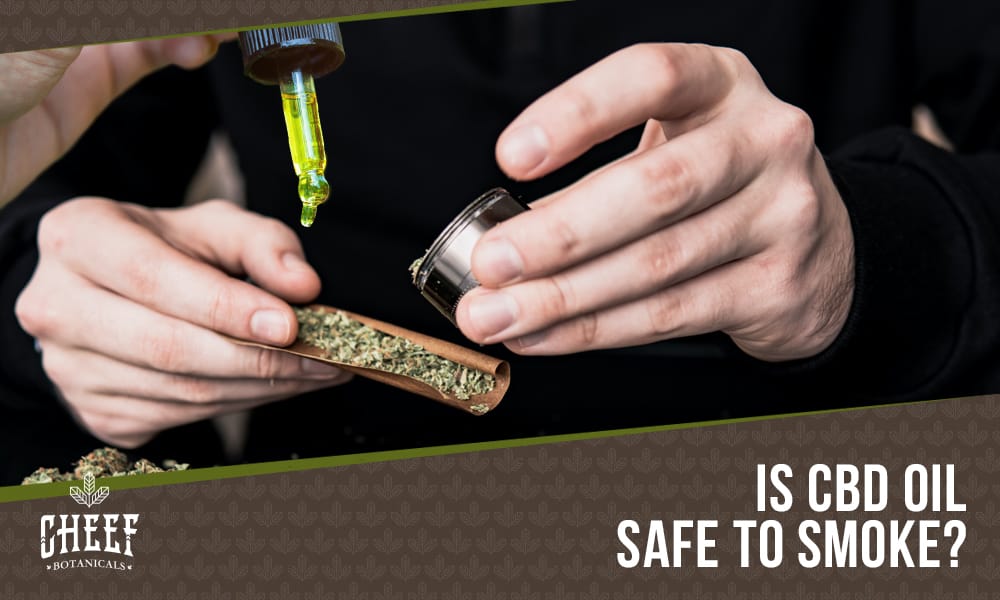
Can you smoke CBD oil? This question has become more common as CBD use continues to grow since the passing of the 2018 Farm Bill. Consumers are eager to learn more about the health benefits often associated with CBD use, but many CBD products do not come with clear instructions.
CBD products are now found nationwide, yet confusion remains because there are different ways to administer CBD. This has left many consumers wondering whether smoking CBD oil is an option. The short answer is no, you cannot smoke CBD oil, but there are CBD products that are considered safe to smoke when they are made specifically for inhalation.
Keep reading as we walk through what CBD oil is, which CBD products can be smoked, and how each option may affect the experience.
What Is CBD Oil?

CBD, short for cannabidiol, is a compound found in the cannabis sativa plant. CBD oil is made by extracting pure CBD from hemp, which contains less than 0.3% THC, so it does not produce psychoactive effects or intoxicating effects linked to marijuana.
CBD interacts with the endocannabinoid system, which supports balance in the body. This system includes CB1 receptors, mostly found in the brain, and CB2 receptors, which are more common in the gut and immune related areas. Unlike THC, CBD does not strongly bind to CB1 receptors.
To make CBD oil, the extracted CBD is blended with a carrier oil. Carrier oils help with absorption and texture but are not meant for smoking. Common options include coconut oil, olive oil, grape seed oil, and hemp seed oil.
Related article: What is the Best Carrier Oil for CBD?
Can You Smoke CBD Oil?

No, consumers should not smoke CBD oil. CBD oil found in tinctures is made for ingestion or topical use, not inhalation. These products contain a carrier oil, which should not be heated or inhaled.
Many CBD oils include MCT oil derived from coconuts. Inhaling heated oils can irritate the lungs and throat and may cause unwanted adverse effects. This is why smoking CBD oil is not recommended.
When people appear to smoke CBD in liquid form, they are usually using CBD mixed into vape juice. This confusion happens because many tinctures do not clearly state that they are not meant for smoking.
Can You Vape CBD Oil?
You should not place CBD oil into vape pens or vaping devices. Vape cartridges are filled with e liquid, not oil, and are designed specifically for CBD vaping.
Most vaping CBD oil concerns come from confusing tinctures with vape juice. CBD oil contains carrier oils that are not meant to be burned or inhaled. Only products labeled for vaping CBD should be used in a vape device.
Can You Smoke CBD?
Yes, smokable CBD products are available when they are designed for inhalation. These include CBD vapes, CBD hemp flower, and concentrates made from approved hemp plants.
Inhalation allows CBD to enter the body quickly, which is why many people notice relaxing effects sooner compared to ingestion. Faster onset usually means the effects last a shorter time compared to other forms of CBD use.
Choosing between smoking hemp, vaping, or other CBD products depends on preference and experience. Below, we break down the most common smokable options.
CBD Flower

CBD flower comes from hemp plants grown with 0.3% THC or less than 0.3 THC, which keeps it within legal limits. You may also see it called hemp flower or high CBD cannabis flower.
CBD flower can be smoked or used in dry herb vaporizers. It looks and smells similar to marijuana, but it does not cause intoxicating effects when sourced from approved strains. Always look for third party testing to confirm THC content and purity.
Some products are sold as pre rolls, making smoking cannabis more convenient. These products contain plant material that includes CBD and other cannabinoids found naturally in hemp.
CBD Vapes
CBD vapes are different from nicotine products and are made for cannabis consumption without combustion. CBD vape juice contains CBD mixed with ingredients like VG, PG, or natural terpenes.
When people say “vape oil,” they are usually referring to e liquid, not oil. True CBD oil should never be placed in vape cartridges. Always check labels to confirm the product is intended for CBD vaping.
THC content in vape products should stay within less than 0.3% THC. Reading labels also helps reduce exposure to unwanted additives or heavy metals.
Related article: CBD and Terpenes
CBD Concentrates
CBD concentrates are often used through dabbing, which involves inhaling a heated form of smokable CBD. These products come in forms like wax, shatter, crystals, sauce, and crumble, all made from hemp plants with 0.3 THC or less than 0.3% THC.
Because concentrates come from approved hemp, they remain a non psychoactive compound found in the cannabis plant. You can use concentrates with a dab rig or vaporizer, or add a small amount to CBD hemp flower or pre rolls for a stronger experience.
Difference Between CBD Oil and Vape Juice

The main difference between CBD oil and vape juice comes down to ingredients. CBD oil contains a carrier oil, such as coconut or olive oil, which is meant for ingestion or topical use only.
Vape juice is made with VG, PG, or terpenes and is designed for CBD vaping. While vape juice can sometimes be ingested, you should never smoke CBD oil or inhale products that contain carrier oils.
Benefits of Smoking CBD
Smoking CBD or vaping CBD allows CBD to enter your system quickly. Faster onset usually means the effects last a shorter time, often around 2 to 3 hours.
Potential benefits include:
- Inhalation avoids digestion, so CBD reaches the bloodstream faster
- Faster absorption may lead to quicker relaxing effects
- Some people prefer this method for immediate feedback compared to other forms of CBD use
This approach focuses on speed and experience rather than duration, which is why it stands out among other CBD products.
Effects of Smoking CBD
The effects of smoking CBD can vary based on the product and how your body responds. Some people notice a sense of calm or balance, which connects to how CBD interacts with the endocannabinoid system.
Possible effects may include:
- A relaxed or steady feeling
- Throat irritation in some cases
- Mild fatigue or lightheadedness as potential adverse effects
These effects are generally mild and may lessen as your body adjusts over time.
Final Thoughts
CBD products continue to grow in popularity as more people look for non intoxicating options from the cannabis plant. Many are interested in potential benefits without psychoactive effects, which is why hemp based CBD products remain widely used.
The CBD market is still developing, and oversight from the Food and Drug Administration is limited. This makes it important to read labels carefully and only choose CBD products that are clearly intended for smoking or inhalation.
You should also look for third party testing. A Certificate of Analysis can help confirm thc content, cannabinoid levels, and whether heavy metals or other unwanted materials are present. As new hemp products continue to enter the market, staying informed helps you make better decisions around CBD use.
The statements made regarding these products have not been evaluated by the Food and Drug Administration. The efficacy of these products has not been confirmed by FDA-approved research. These products are not intended to diagnose, treat, cure or prevent any disease. All information presented here is not meant as a substitute for or alternative to information from health care practitioners. Please consult your health care professional about potential interactions or other possible complications before using any product. The Federal Food, Drug and Cosmetic Act requires this notice.

 CBD Gummies - Top Seller
 CBD + THC Gummy - Excellent Choice
 CBD Hemp Flower - Highly Rated
 Full Spectrum CBD Oil - Good Value


Leave a comment
This site is protected by hCaptcha and the hCaptcha Privacy Policy and Terms of Service apply.